January 29, 2026 A conference on wooden architecture was held at the HSE CREATIVE HUB>. Together with the participants, we discussed why there has been a recent surge of interest in restoring wooden houses, including architectural landmarks.
The event was moderated by Valeria Nikolenko—a manager and project leader at Strelka Design Bureau (VEB.RF group).
Here is a brief summary of the presentation theses. The full version of the event can be viewed in the video recordings on HSE DESIGN LAB>.


«CREATIVE HUB» — a promo code for a 5% discount on all Professional Development courses
Vladimir Kuzmin, Head of the Master’s Program in Architectural Environment Design at HSE Art and Design School, gave the opening presentation.
Wood as a material is incredibly ancient and will never go out of style. Architecture in wood is not just functional; it is an art form that conveys traditional imagery.
Why isn’t wood used in the construction of multi-unit residential buildings today? Vladimir believes that modern technologies allow for the construction of durable, high-quality wooden homes of any scale. The issue is that over the past decades, the industrial sector has established a tradition of building with iron, concrete, and glass, and major corporations are currently hesitant to pursue experimental approaches.
In addition to his own work, Vladimir Kuzmin shared a significant project by master’s students who were involved in designing the embankment in the city of Staritsa.

Vladimir Kuzmin: «You can create anything from wood—from a children’s rattle to the most complex architectural structures. It is a universal material.»


Tatyana Platonova, author of the Telegram channel Derevyanstvo, discussed how social media influences the preservation of wooden architecture.
Statistics show that 84% of people use the internet daily, spending an average of four hours on websites and in social media. Other media (TV, radio, and print) lag significantly in these percentages. This means social media is currently the most effective tool for popularization.
Social media encompasses educational, branding, community-building, and informational functions. It is crucial to consider the short format of posts, which must first and foremost engage the reader. The internet allows like-minded individuals from different parts of the country to come together and form a community.


Tatiana Platonova: «Through social media, we can explore our cultural code on screen and then take action in real life.»
People buy old houses for restoration not only because they are searching for their cultural identity or wishing to live in rural tranquility. The heritage economy is currently developing rapidly.
Evgenia Tvardovskaya, chief editor of the website «Heritage Keepers» and the journal «State Protected, ” explained how the trend toward wooden architecture is forming. A house influences the urban environment, and the changes within that environment drive shifts in society itself.
This trend began 10–15 years ago when individuals started purchasing dilapidated buildings and restoring them using their own funds. This diverse historical architecture provides opportunities for various types of businesses to grow. Primarily, restored structures are being converted into hotels, art spaces, and cafes.
The government supports the preservation of cultural heritage, but the initial initiatives usually come from the community. For example, the Tom Sawyer Fest in Samara began assisting with restoration on a volunteer basis and has since grown into an entire movement across Russia.


Evgeniya Tvardovskaya: «We are not restoring walls; we are restoring meaning.»
Anor Tukayeva, founder of the charity foundation «Krokhino, ” shared how one can participate in preserving cultural heritage through the example of her foundation.
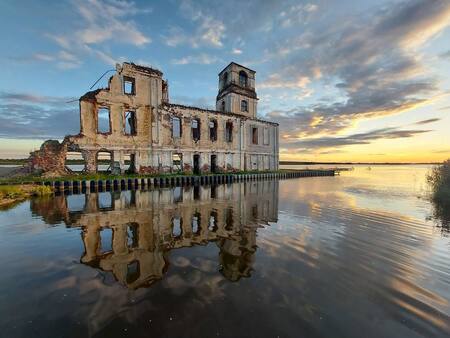
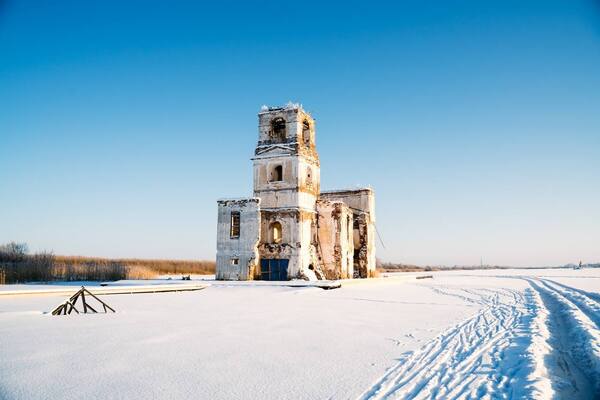
The „Krokhino“ project boasts a 17-year history and encompasses not just a single non-wooden structure, but a stone temple in Krokhino that was flooded during the Soviet era. What do volunteers do during the warmer months? Initially, all efforts were focused on building an island barrier to protect the walls from water and waves. Then, the task was to return this architectural monument to the maps. The foundation managed to purchase not only the temple building itself but also several hectares of surrounding land, which has since become dry ground again.
Volunteering in heritage preservation is a grounding tool. Krokhino offers a format of an adult kids' camp—a place without luxury, but with everything necessary for life, and most importantly, with the surrounding nature and like-minded people nearby.
Krokhino is a unique example of how nature can overcome destructive human actions. And the volunteers' efforts help preserve the memory of this land and bring it back to life once the park is launched.
Anor Tukayeva: «Why are volunteers traveling to restore Krokhino? Working with heritage is one of the few opportunities available to influence something in this life—to create despite external circumstances.»
Anastasia Slepyasheva: «Today, tourists don’t just want to stay in a nice hotel in the forest. They want to immerse themselves in a specific atmosphere created by elements of local identity and detail.»
Anastasia Slepyasheva Glubinka Guide — a travel project focused on exploring Russia. It began with a green trail and the organization of a glamping site in Polenovo. Anastasia is currently involved in this project as a designer.
Since many of us have lived in villages previously, the public’s interest in rural homes is understandable. Glubinka Guide began developing its glamping concept by ensuring guests had the opportunity to take excursions to interesting nearby locations. The team discovered that there was a nearby apiary and forge, but this information was unknown not only to tourists but also to the local residents. This led to the idea of creating guides for different cities and regions, highlighting interesting people and places.
Glubinka Guide now accepts commercial orders for these travel guides. The team also organizes bespoke tours and excursions. Glubinka Guide launched its Rural Award two years ago to promote local brands.


At the end, guests from the audience posed questions to our speakers. You can watch the open discussion in our broadcast recording.
Thank you to our informational partners for supporting this event:
- Design Afisha // online offline
- SVETLITSA | Russian Lifestyle
- Russian Stove
- Great Russian Beauty | VRK
- totalarch
- TopDesignMag
- ReuseArch
- In the Forests
- Cultural PPP
- Attention
- Legkodumov’s House
- Proseyeano — Good News
- Rural Tourism with Vera Adamovich
- Urban Intonations
- Project Russia | prorus.ru
- ARCHITIME
- Russian Culture
The event took place on January 29th from 6:30 PM to 9:00 PM in the HSE CREATIVE HUB space. You can find more information about this and other events held at the HSE CREATIVE HUB by visiting the website https://creative.hse.ru/hub.