Table of Contents: 1. Concept 2. Arctic Monkeys — Fluorescent Adolescent 3. Vampire Weekend — Oxford Comma 4. Kasabian — Vlad the Impaler 5. Yeah Yeah Yeahs — Heads Will Roll 6. The Breeders — Spacewoman 7. Conclusion 8. List of Text Sources 9. List of Image Sources
Concept
Richard Ayoade is a comedian, writer, actor, screenwriter, and director [1]. Throughout all of his creative endeavors, a distinctive signature is apparent—one that unites elements of irony, absurdity, and an affection for classic cinema. This study will examine the characteristics of his authorial style using five music videos shot between 2007 and 2018. Selecting these works allows for a deeper understanding of how Ayoade interprets music visually, transforming the videos into autonomous works of art.
In his music videos, Iyoddi—known for his layered, often meta-ironic approach—transcends simple song accompaniment, offering viewers a meaningful and emotionally rich engagement with the music. His style, characterized by masterful cinematic allusions, grotesque elements, and theatricality, allows him not only to reveal the essence of musical works but also to imbue them with new layers of meaning. Examining his work will help us understand how the director expands the boundaries of musical perception through visual imagery, adding depth and artistic value.
To date, Iyoddi has released over ten music videos, but this study will focus on five, which most vividly demonstrate the hallmarks of his style. Furthermore, the material has been selected to offer maximum diversity across artists, demonstrating how Iyoddi adapts his techniques for different compositions and groups while maintaining his distinct signature.
The research hypothesis posits that Ayodi utilizes music videos as a platform for artistic expression, transforming music into complex visual narratives. In his work, the meticulous attention to detail, layered symbolism, and narrative structure elevate the visuals beyond mere song illustration; they constitute a complete addition that establishes a new level of viewer engagement with the music. Each of Ayodi’s clips offers the viewer not only audiovisual accompaniment but often an ironic reinterpretation of the musical themes presented.
The video clips will be analyzed chronologically to help track the evolution of the artist’s style.
The textual analysis will incorporate the lyrics of the songs, interviews with Ayodi and the members of the bands featured in the clips, as well as media reviews of his work.
Thus, this study aims to examine how Ayodi, through a unique visual language, creates autonomous works that not only accompany the music but also imbue it with new meanings, thereby enriching the audience’s experience.
Arctic Monkeys — Fluorescent Adolescent
The clip opens with the procession of cars entering an abandoned area. The location, the dynamic cinematography, and the subdued grading immediately create a tense, somber atmosphere—a stark oxymoron with the song’s title.
Arctic Monkeys — Fluorescent Adolescent, directed by Richard Ayoade, 2007
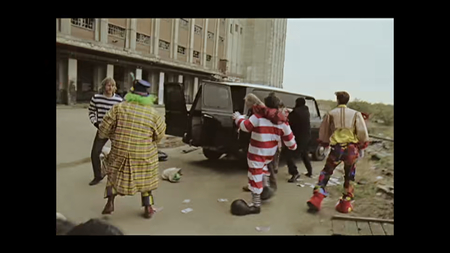
The filming then switches to handheld, placing the viewer within a group of clowns emerging from cars. Here too, a duality is felt—thanks to the visual vibrancy of the clowns set against the muted, neutral colors of the cars and background.
Arctic Monkeys — Fluorescent Adolescent, directed by Richard Ayoade, 2007
The duality culminates when it’s revealed that the clowns have arrived for a brawl with men in black, who look like a criminal syndicate. However, the clowns themselves don’t initially appear friendly—perhaps because of the abruptness of their movements and the camera’s dynamism—they also carry an unsettling atmosphere.
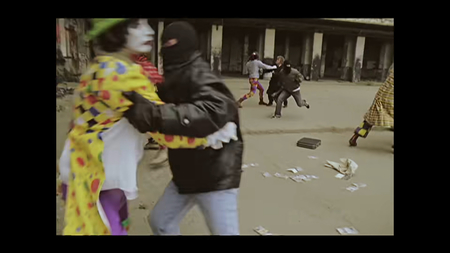
Arctic Monkeys — Fluorescent Adolescent, Director Richard Ayoade, 2007
Arctic Monkeys — Fluorescent Adolescent, directed by Richard Ayoade, 2007
During the climax of the music video, a subtitle appears.
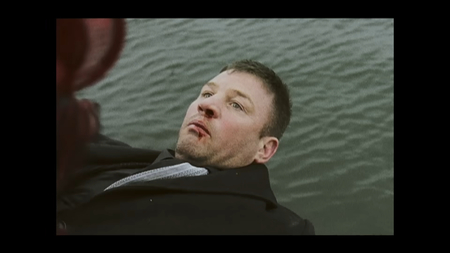
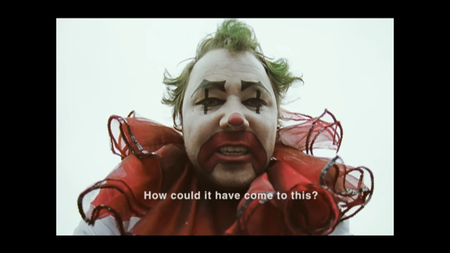
Arctic Monkeys — Fluorescent Adolescent, directed by Richard Ayoade, 2007
The flashback begins, revealing to the viewer that the group leaders were friends in childhood. However, childhood passed and the friendship ended, which is metaphorically depicted by a shot of balloons flying away.
The childhood scenes feature that signature fluorescent grading.
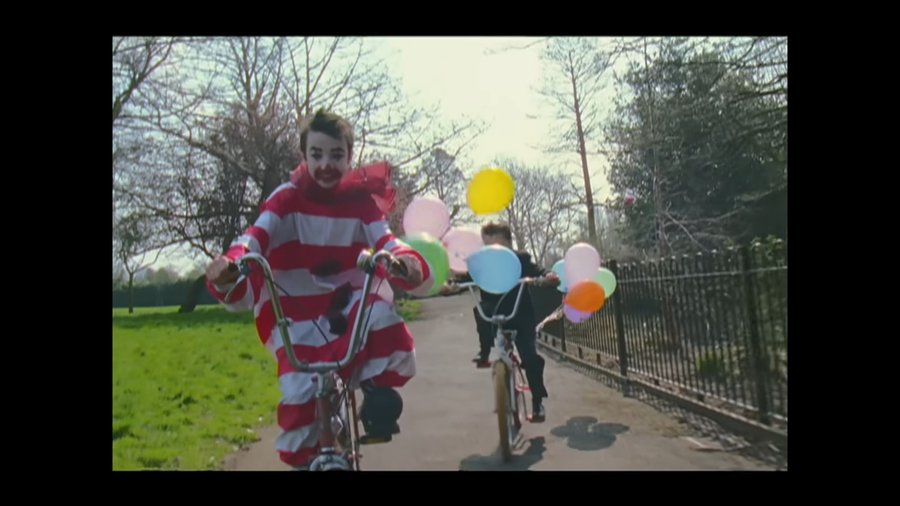
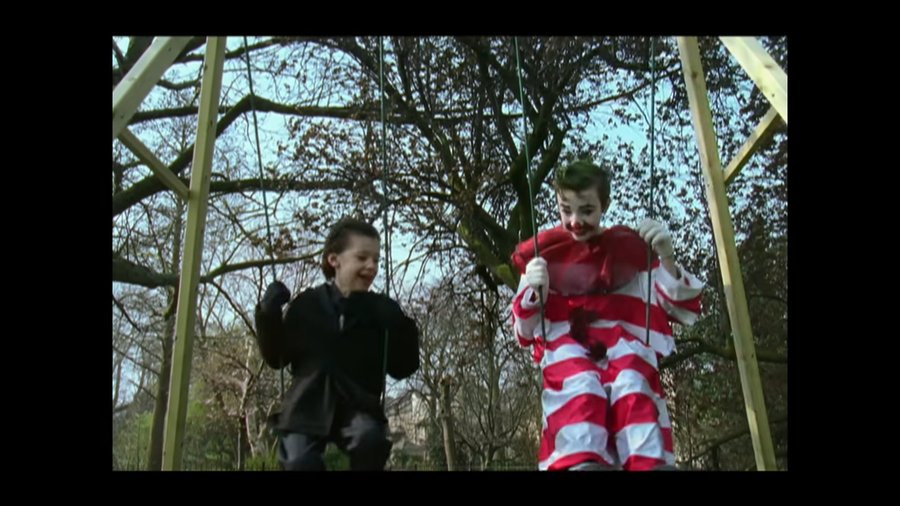
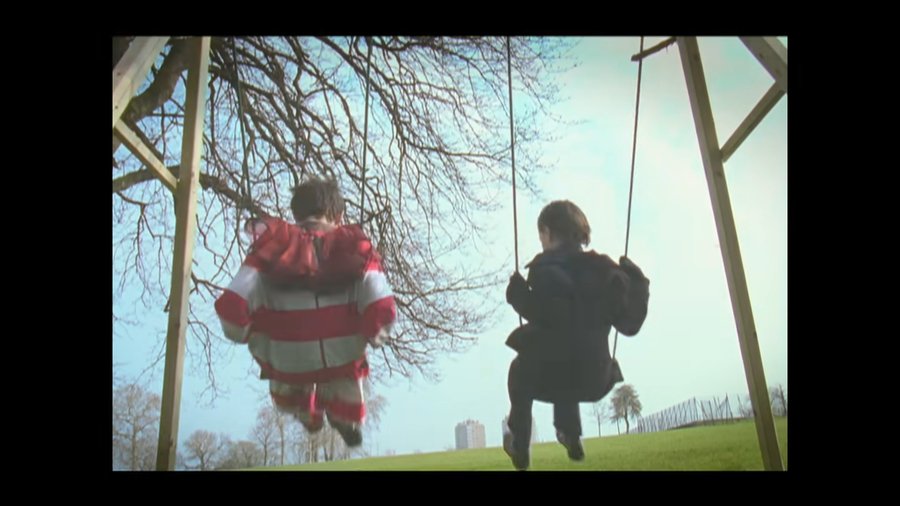
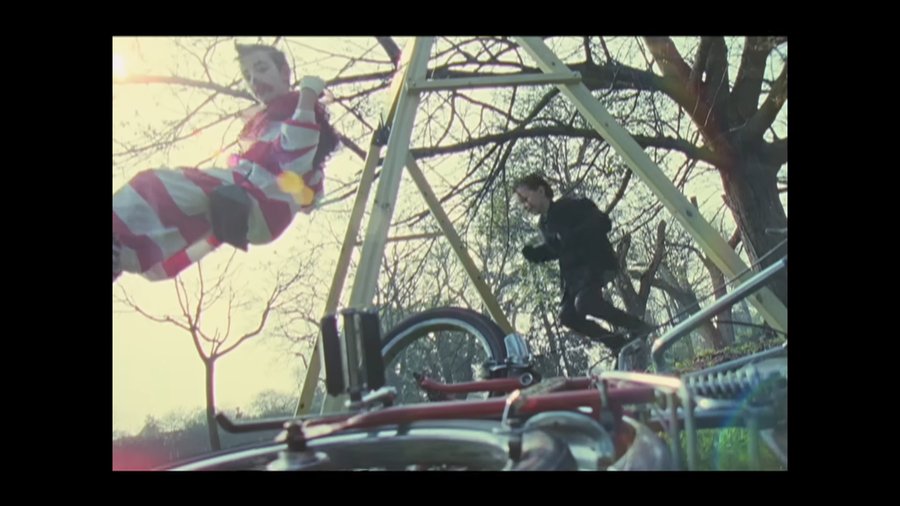
Arctic Monkeys — Fluorescent Adolescent, directed by Richard Ayoade, 2007
Arctic Monkeys — Fluorescent Adolescent, Director Richard Ayoade, 2007
The resolution occurs through a classic suspense device: the main clown character is cornered, but notices a detail that radically changes the situation—gasoline is leaking from his opponent’s car, so the protagonist uses the opportunity to set the vehicle on fire.
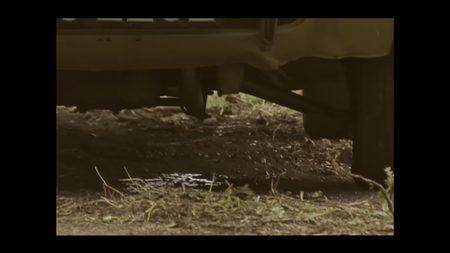
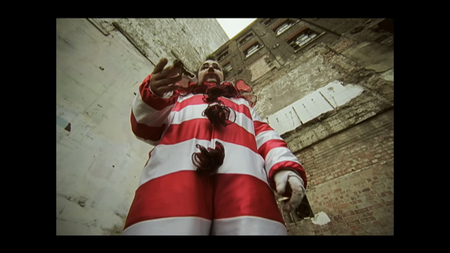
Arctic Monkeys — Fluorescent Adolescent, directed by Richard Ayoade, 2007
Arctic Monkeys — Fluorescent Adolescent, dir. Richard Ayoade, 2007
The combination of the comedic clown image with brutal violence creates a contradictory feeling characteristic of Ayoady’s creative style, which is known for its absurd, often dark humor.
The song, which is about nostalgia for lost youth, is paired with visual images of a game spiraling out of control. Ayoady finds unexpected, contrasting imagery to convey the sense of bitterness and delayed coming-of-age embedded in the lyrics.
Vampire Weekend — Oxford Comma
The clip opens with a car driving into the frame.
Immediately, a connection to cinema is established through the narrow aspect ratio and the presence of a title card. Ayodhi himself mentioned in an interview that he wanted to reference the work of Jean-Luc Godard in this way, but it ended up feeling more like an homage to Wes Anderson [3].
Vampire Weekend — Oxford Comma, directed by Richard Ayoade, 2008
One must note the composition of the frame.
Vampire Weekend — Oxford Comma, directed by Richard Ayoade, 2008
A film crew then appears in the shot, and a new layer of meaning emerges in the music video.
Vampire Weekend — Oxford Comma, directed by Richard Ayoade, 2008
In the frame, the composition is being performed simultaneously with the narrative of a farmers' uprising [3, 4], which, incidentally, is unrelated to the song’s lyrics, creating a surreal sensation. However, it is precisely this mismatch between words and actions that reflects the track’s meaning.