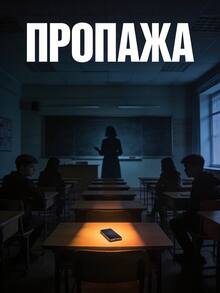
LOGLINE /
After moving to a small village, high school student Nadya struggles to fit into the new school. The unexpected disappearance of a classmate brings her closer to the circle of the missing girl, especially to her best friend, Liza, who decides to investigate what happened on her own. Gradually, Nadya finds the sense of belonging she has longed for—unaware of how she begins to occupy someone else’s place.
CONCEPT /
FORMAT: Mini-series, 6 episodes.
GENRE: Detective, Psychological Thriller, Drama.
TARGET AUDIENCE: Young adults aged 18–30, primarily viewers of psychological mysteries, thrillers, and teen dramas. This is an audience interested in stories about complex human relationships, the search for personal identity, friendship, jealousy, loneliness, and moral conflicts.
SETTING /
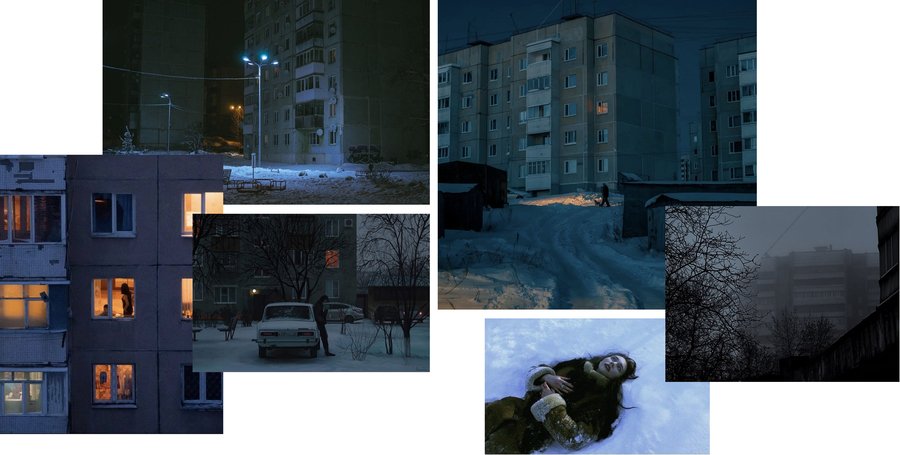
The provincial town of «Lugoverki, ” 2017. A fictional small settlement in Russia, surrounded by forests. The familiar provincial environment: panel buildings, private housing, a small school, garages, and snow-covered streets.
ACT 01/
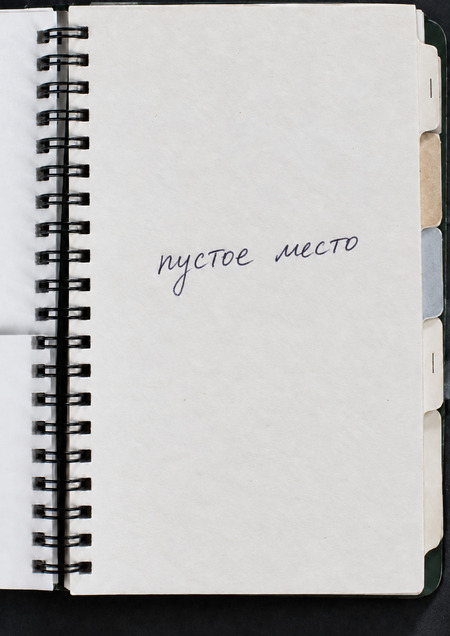
After her parents' divorce, 17-year-old Nadya moves with her mother to a small village. Struggling deeply with her father leaving for a new family, the girl feels unnecessary. Furthermore, at her new school, she feels like an outsider among established cliques. Nadya documents her feelings in a personal diary. A week later, her classmate Vera disappears. Liza, Vera’s best friend, does not believe the story of a voluntary elopement that her detective father is considering, and begins her own investigation. During the search, Liza grows closer to Nadya and introduces her to Vera’s friends. Having felt accepted for the first time, Nadya gradually takes the place of the missing girl within the group.
ACT 02/
Nadya and Liza grow closer as they continue their investigation. Among the suspects are Zakhar, Vera’s teacher, and a local outcast. In their search for new information, the girls even infiltrate Liza’s father’s office, but he catches them and sends Nadya home. Meanwhile, Nadya’s mother begins speaking with Zakhar’s father. Thanks to this, Nadya gradually grows closer to Zakhar himself, toward whom she begins to develop romantic feelings. As Nadya learns more about Vera, she starts adopting her habits and interests. However, the admiration slowly gives way to comparison and envy, which she writes about in her diary.
Two months after she went missing, Vera’s body is found. The autopsy reveals that the girl died shortly before being discovered, meaning she was alive for most of that time. Soon, an anonymous tip leads the police to Zakhar’s father. In his garage, they discover a hidden room where Vera was held. The man is detained, but he denies any involvement in her death. A trial begins regarding the kidnapping case. To those around her, it seems the culprit has been found and the case is closed. Liza continues to struggle deeply with the loss of her friend, while Nadya, supporting her, persuades her to leave the investigation in the past and move forward.
ACT 03/
Over time, life gradually returns to normal. One day, Liza visits Nadya and, while waiting for her to return from the store, she opens her friend’s diary out of curiosity. Among the entries about personal experiences and new friendships, she discovers worrisome musings about Vera: admiration slowly gives way to envy and dislike. The final entries reveal a terrible truth. Through a flashback, the viewer learns that after visiting the investigator’s office, Nadya met Vera, who had run away and asked for help. However, accumulating fear and jealousy lead to a conflict that ends with Vera’s death. The flashback is interrupted by Nadya’s return. Liza flinches and drops the diary. Unsuspecting, Nadya laughs at her fright and asks if she is alright.
FEATURES /
PSYCHOLOGICAL DRAMA IN A DETECTIVE SETTING. At the core of the story are themes of replacement, loss, envy, and the struggle for one’s place in the lives of others. The detective plot line serves as a mechanism for developing the characters' relationships and internal conflicts.
FINALE. Nadi’s exposure becomes not a predictable outcome of the investigation, but a shock to both Liza and the viewer. The finale compels a reevaluation of the previous events, the characters' relationships, and the motives behind their actions, leaving a distinctly uneasy feeling of discomfort.
HEROES /

NADYA, 17 YEARS OLD — THE FALSE PROTAGONIST An awkward, observant, and insecure girl who is struggling deeply with her parents' divorce. Moving to a small village intensifies her loneliness. Nadya desperately needs attention and approval, making her inclined to conform to those around her, adopting their habits and interests. Behind her outward shyness lie jealousy, the fear of rejection, and a desperate need to be indispensable. After Vera disappears, Nadya finds close friends for the first time. Initially, she feels sympathy for the missing girl and becomes curious about her, but gradually, she starts comparing herself to Vera’s image. Admiration slowly morphs into painful comparison. Against the idealized image of Vera, Nadya increasingly notices her own flaws and begins to feel aversion toward her.
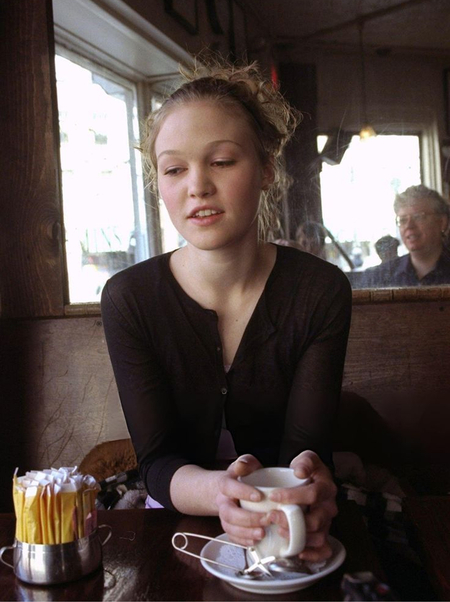
LIZA, AGE 17 — PROTAGONIST A straightforward, stubborn, and emotional girl with a keen sense of justice. She is unafraid of conflict, often crosses other people’s personal boundaries, and strives to insist on her own views. Her relationship with her detective father is built on the constant friction between two strong personalities. Despite her outward independence, Liza deeply struggles with loss and craves intimacy. Vera’s disappearance is a real blow to Liza because the two were inseparable since childhood. Afterward, she grows close to Nadya, who initially reminds her of her missing friend. Gradually, Liza begins to genuinely bond with Nadya, viewing her as an independent person, yet she never stops cherishing the memory of Vera.

VERA, 17 YEARS OLD — VICTIM A cheerful, calm, and slightly shy girl who was not particularly popular during her life, but became the center of attention after her disappearance. She was Liza’s best friend and Zahar’s ex-girlfriend. Vera’s character is constructed from the memories of those close to her. Friends describe her as a lively and compassionate young woman; Liza views her almost as a sister, and her parents remember her as a dutiful and caring daughter. For Zahar, Vera was a gentle, thoughtful, but sometimes emotionally distant person. The real Vera remains a mystery to the viewer. Her personality is revealed exclusively through the subjective recollections of those around her, allowing us to see not so much the girl herself as the way she was known, loved, and wished to be remembered.
DETAILED APPLICATION /