Navigator
1. Concept
2. Companion Animal
3. Pest Animal
4. Threat Animal
5. Disproportionality
6. Anthropomorphized Animal
7. Conclusion
Concept
Silent comedy of the 1910s and 1920s was built upon what could be seen: on the actor’s body, their movement, and on the objects and space surrounding them. Siegfried Kracauer noted that American silent comedy consisted of a chain of gags so loosely connected to the plot that any one of them could be removed from the film without damaging it. In such cinema, anything that enters the frame could be a source of humor, and animals proved to be one of the most receptive materials for this purpose. Jonathan Burt shows that animals have accompanied cinema since its inception: their mobility presented early filmmakers with technical and conceptual challenges, the resolution of which became a driving force in the development of cinematography. Comedy inherited this interest in living and unpredictable movement and transformed it into comedic material.However, the animal is almost never funny on its own; it needs a human nearby. Henri Bergson wrote that animals amuse us when we recognize something human in them, and silent comedy understood this well. There are no words, so the comedian and the animal are on equal footing and can only communicate with each other through their bodies. This research examines the roles animals assume in a gag and how those roles are expressed in the frame’s composition.
The topic selection stems from a question that arose while watching silent comedies: why is an animal so frequently present near Chaplin or Keaton, and what does it add to the joke? At first glance, it seems the animal is only there to amuse the audience or fill a pause. However, when comparing several scenes, it becomes clear that the same animal can function in vastly different ways. A dog can be a friend to the hero or his primary threat, and a horse can be funny simply because it is too tall. I became curious whether it is possible to identify stable conventions within this diversity.
When selecting source material, I focused on American comedies from 1915–1929—the peak era of silent comedy before film transitioned to sound. I chose only scenes where an animal played a role in a gag, ensuring a mix of works from different comedians and studios. This approach allows one to observe recurring techniques versus those unique to a specific author.For textual sources, I relied on works that allowed for a multifaceted view of the subject. Henri Bergson’s «Laughter» and V. Y. Propp’s «Problems of Comicism and Laughter» helped me understand the theory of the comic, particularly the comparison between humans and animals. I studied the history of animals in film using Jonathan Burt’s book, «Animals in Film, ” and the context of American silent comedy through Alan Hilton’s work and the collection „Slapstick Comedy.“ I verified information regarding specific films and scenes using the Silent Era and TCM databases.
Key Question: What roles do animals take on in American silent comedy of the 1910s–1920s, and what visual techniques does the frame use to make these roles humorous? My hypothesis is that despite their external diversity, scenes featuring animals are built around several stable archetypes that transition from film to film. The role an animal plays dictates how the frame is constructed when it interacts with a human character.
Companion Animal
Most often, the animal in a silent comedy serves simply as the protagonist’s companion. The comedian in these films is usually isolated, and he has little luck, so the animal often becomes the only one by his side. They end up sharing a similar fate, and the humor frequently stems from how alike they are. Charles Chaplin develops this trope most consistently in The Dog’s Life (1918). The title itself places the Tramp and Scraps the dog on the same level. Chaplin constructs their stories in parallel. For instance, while the Tramp unsuccessfully tries to reach a window at the employment office, Scraps tries to defend his found food against a pack of hungry dogs. The humor arises from this recognition—where the human is in the position of a stray dog, and the dog experiences what the human does. The scenes of sleep are structured in the same way.
«Dog Years» dir. C. Chaplin 1918
Becoming friends, Brodyaga and Scraps fall asleep together right on the ground by the fence, with the dog serving as a pillow for Brodyaga. Following scenes where each of them sleeps alone, this shot is read as the culmination of their closeness—two homeless individuals finding home in each other. The scene is both endearing and humorous. It is moving to see how peacefully they sleep pressed against each other, and it is funny to see the man nonchalantly using the dog as the only possession in his meager belongings. When Brodyaga wakes up and scratches the back of his head with a puzzled look at the sleeping dog, the touching image returns to comedy.
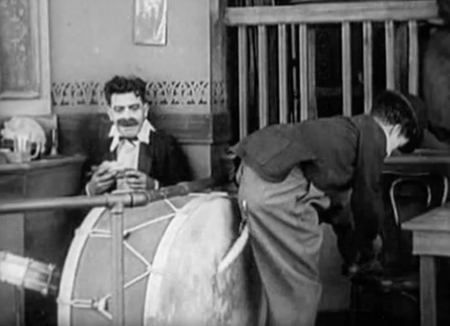
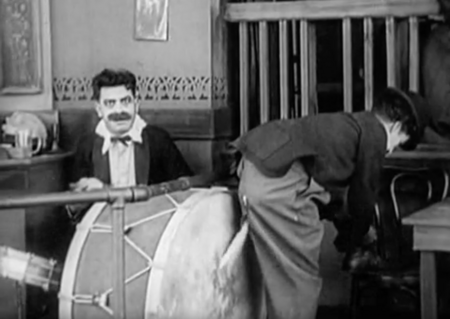
«Dog Years» dir. Charlie Chaplin 1918
One of the most memorable scenes in the film takes place in the dance hall. Dogs are not allowed in, and the Wanderer hides Scraps in his wide trousers. Seemingly, what is hidden should remain unseen, but a tail sticks out of the hole, wags, and eventually begins to tap along with the orchestra’s drums. The audience knows more than those around them, while the drummer has no idea what is happening. Laughter arises from this gap in knowledge and from the very figure where the human and the dog literally become one body.
If in Chaplin’s work, a person and a dog connect because they both find themselves at the bottom of urban life, in Buster Keaton’s films, that same friendship is transplanted to the Wild West—and instead of a stray dog by the hero’s side, there is a cow. His character is named Friendless, «Without Friends, ” and he ends up on a ranch where he is expected to know how to handle livestock. Instead, he approaches a lame cow and removes a stone from its hoof. The scene echoes the legend of Androcles and the lion, but the fearsome predator is replaced by a gentle cow. The expectations associated with the Western, where the hero tames animals, are shattered. The cowboy heals the cow, and the cow responds with loyalty, sticking to him from that moment on.
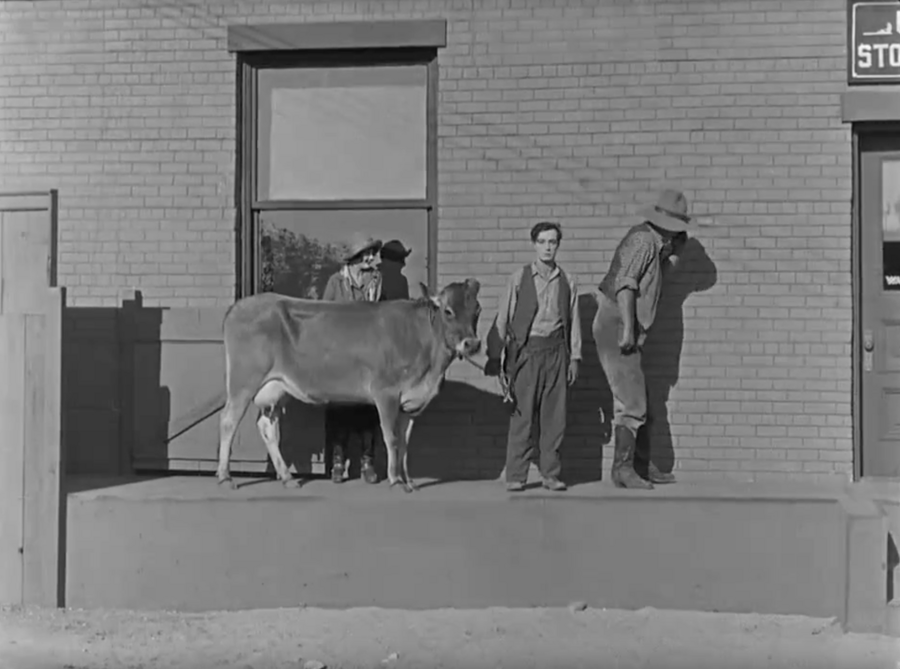
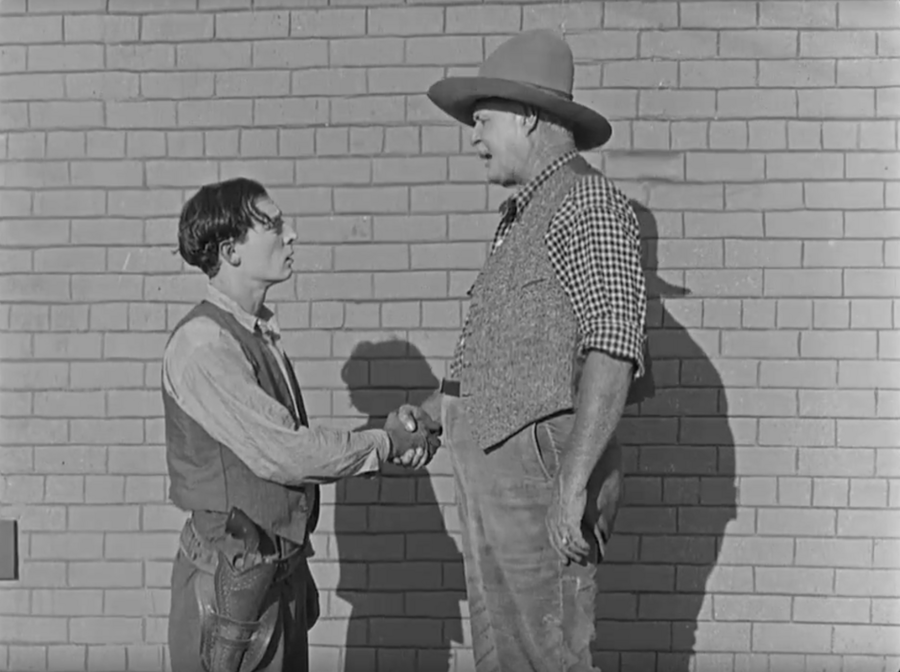
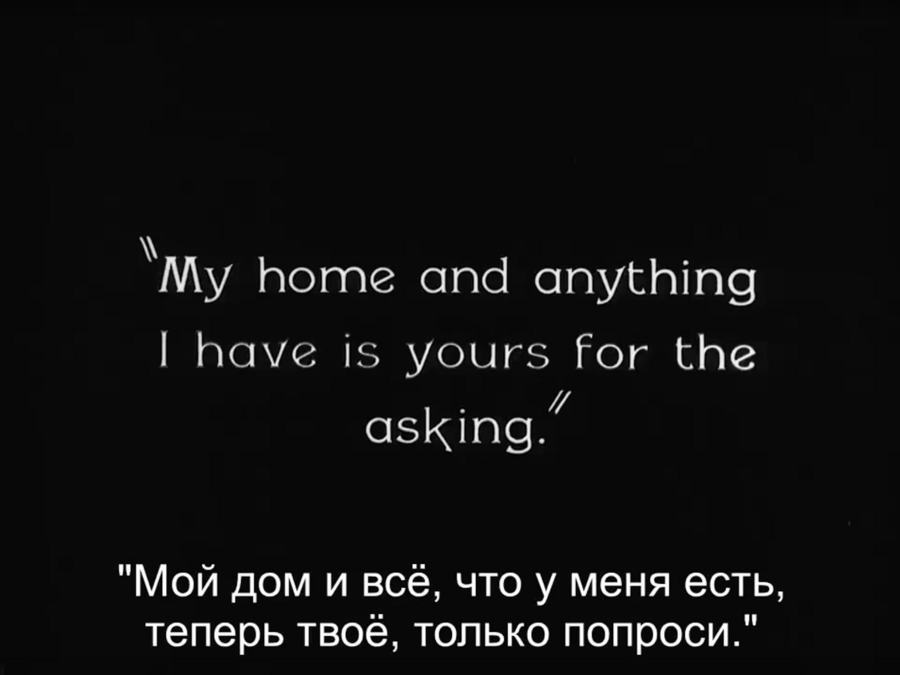
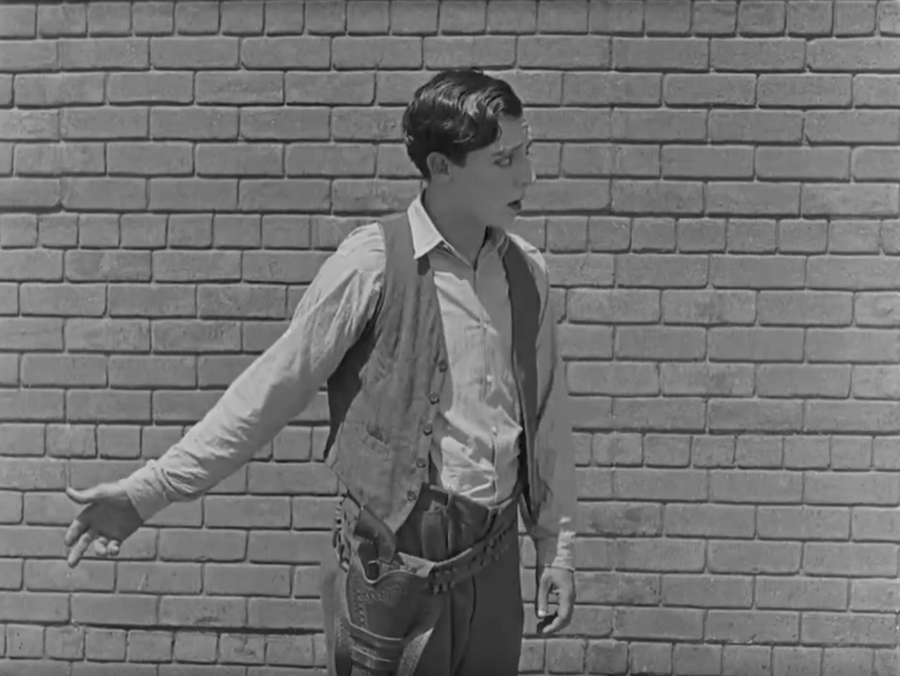
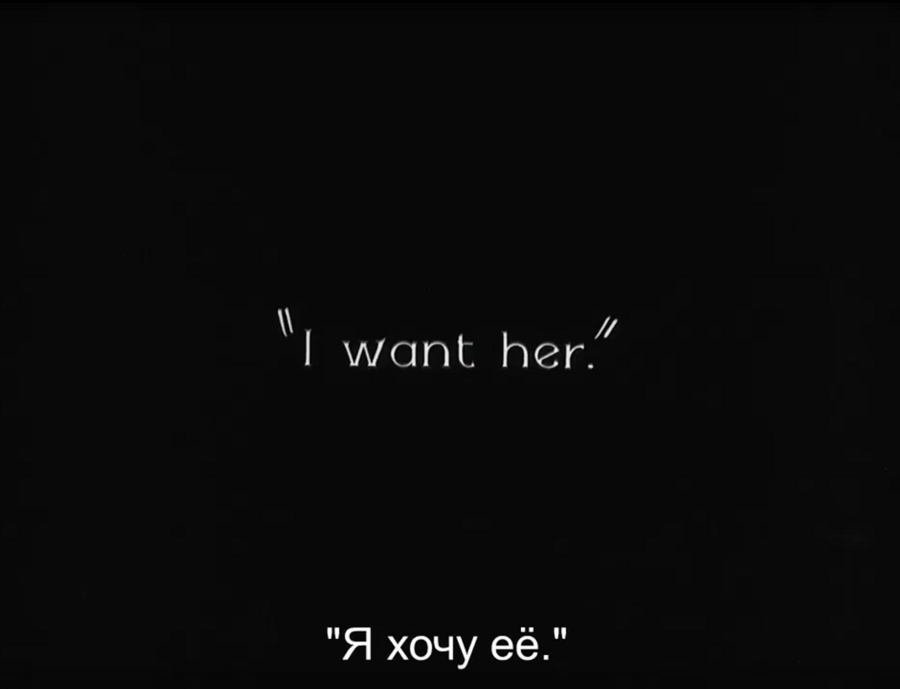
The finale is structured along the lines of a romantic resolution—the audience is convinced the hero will ask the ranch owner’s daughter for her hand. However, it turns out he is talking about a cow. Keaton holds the audience captive with conventional logic right up until the last moment, then shatters it with a single movement. The animal takes the place of the beloved, and the funniest part is that the unflappable hero accepts this substitution with absolute seriousness.
Kiton tackled the same theme of loyalty before, in «Our Hospitality, ” only there it was contained in one short gag. The hero’s dog runs after his train from New York itself. The audience expects the train to leave her behind, but it moves so slowly that the dog keeps up with ease. The touching loyalty of the animal transforms into a satire of technology, and the joke lands effectively on two levels.