Navigation Menu
Introduction
I. Space Above the Viewer
II. Face and Public Role
III. Who Controls the Machine
IV. Movement of One and the Order of Many
V. Testing the Heroic Reading
VI. Common Practice in the International Context
Conclusion
Textual Sources
Image Sources
Introduction
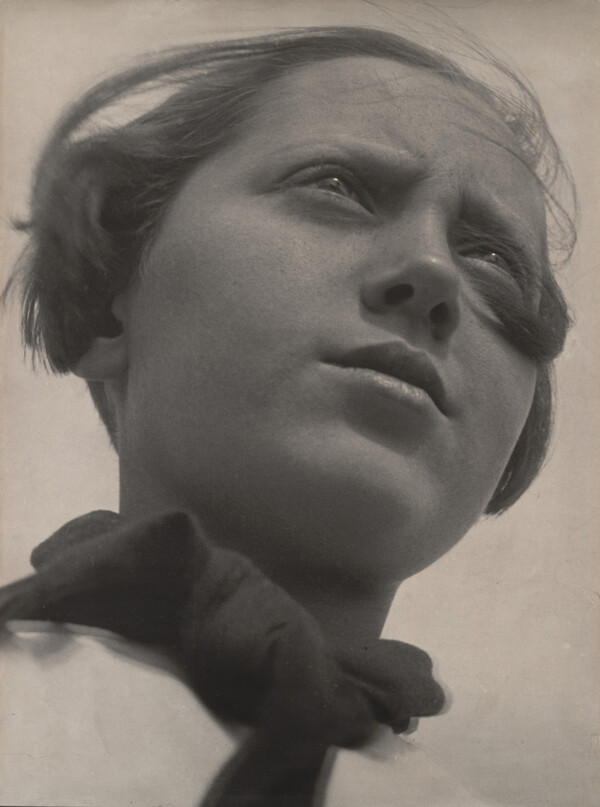
The camera angle defines the relationship between the depicted person and the viewer. A low-angle shot exaggerates proximal forms, emphasizes the height of the figure, and often detaches it from its everyday environment. However, the same shooting perspective can evoke disparate impressions—confidence, tension, technical dominance, or spatial instability. It is this ambiguity that becomes the subject of this research. In Soviet photography from the 1920s and 1930s, people are frequently depicted through action and social roles: a worker operating machinery, a sailor positioned near weaponry, or athletes engaging in organized movement. I am interested in how a specific figure acquires the significance of a generalized image. The choice of this topic stems from the opportunity to trace this transition directly within the structure of photography, by correlating the camera’s placement with gesture, scale, light, and background character. The main research question is: under what conditions does a low angle contribute to the heroicization of a person, and under what conditions does it alter the space without achieving that result? My hypothesis is that the heroic reading is amplified when the low angle is combined with a clear silhouette, an active gesture, and the compositional emphasis of the figure. If the scale is assigned to a machine, architecture, or a separate object, the angle can subordinate the person to the environment. A sharp reduction in body size can also hinder the recognition of the pose, transforming athletic action into a formal experiment. Heroicization in this work refers to the visual attribution of exceptional significance to a person—strength, composure, the capacity to act, or represent a collective. This is a working definition, not a statement about the reaction of every viewer. A model’s fame, the social importance of an event, and the monumentality of the image are considered separately. A photograph of a recognized hero does not necessarily employ a low viewpoint; a large, visible person is not necessarily perceived as a hero.
The sequence of chapters is structured according to the semantic relationships within the frame. Initially, the transformation of space is examined, followed by the character’s face, labor and technique, and body and collective. Subsequently, cases where the low angle does not yield the expected heroic result are analyzed. International comparison concludes the examination: general compositional solutions are correlated with the specific cultural contexts of their use. During the analysis, the camera position, shot size, body posture, line direction, and the relationship between the figure and the background are considered sequentially. A camera tilt is not equated with a low angle—a diagonal can arise from different observation heights. Historical information is separated from visual interpretation. In instances where the original publication of a photograph is unverified, its composition is not declared as evidence of a specific editorial directive or authorial intent.
I. The Space Above the Viewer
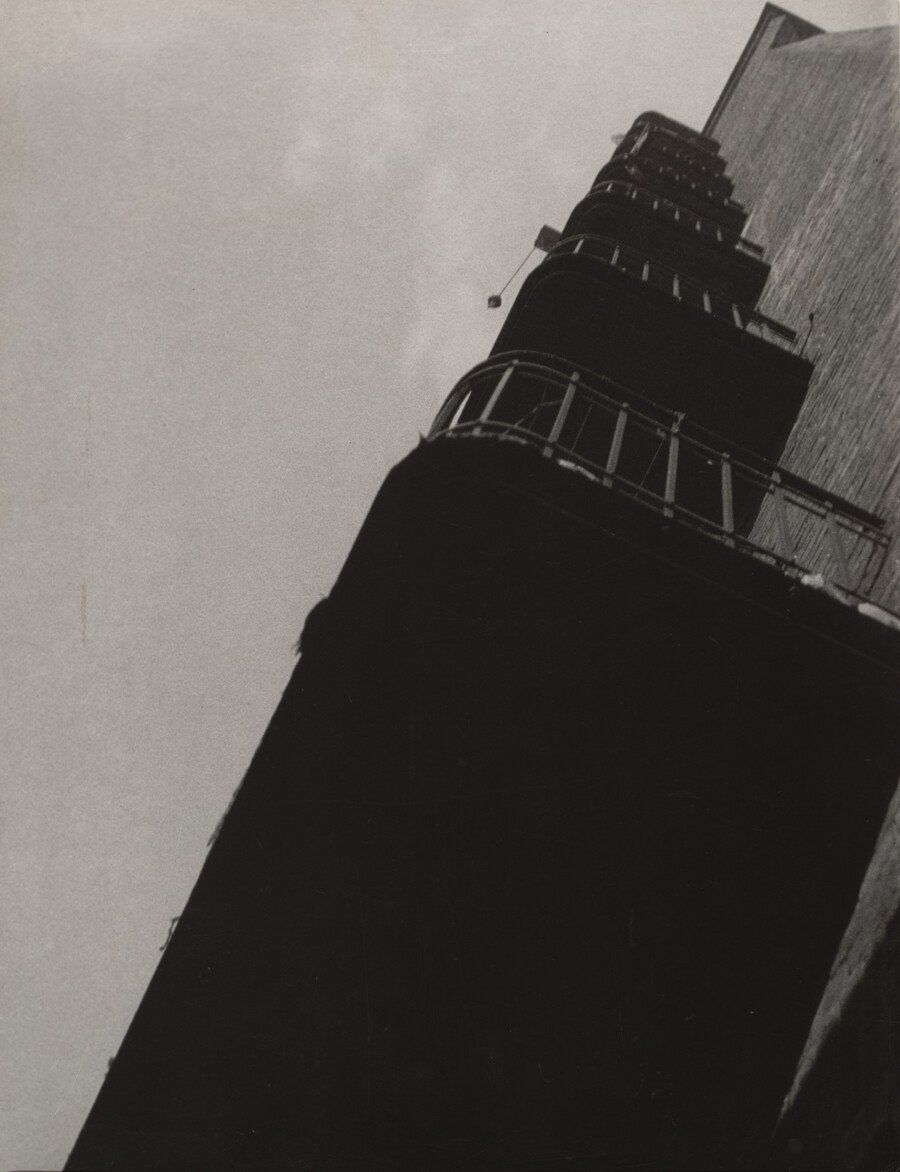
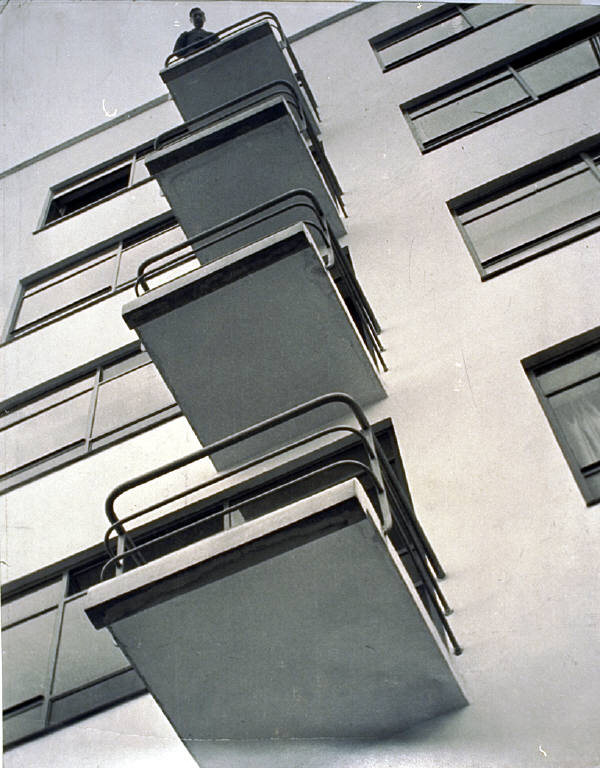
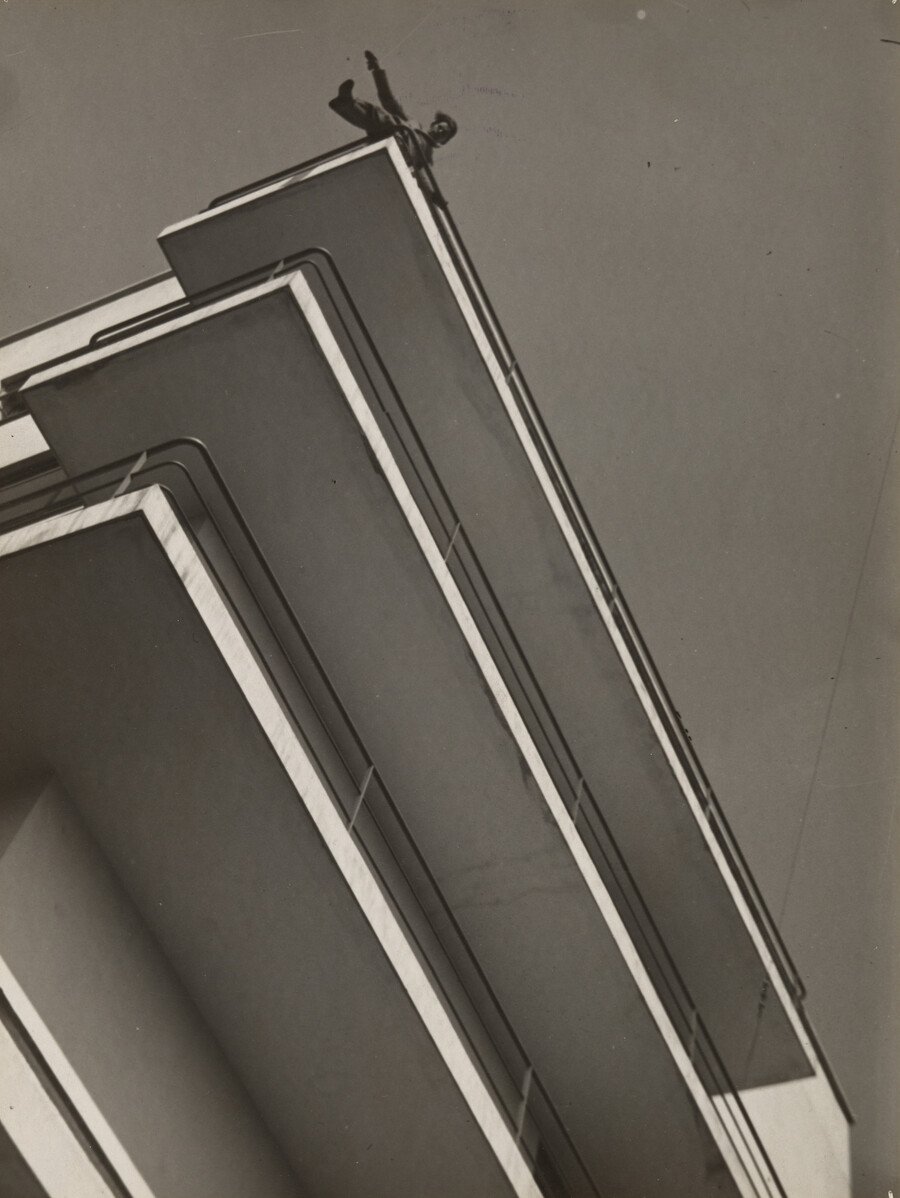
A view from below first alters the space, and only then does it acquire meaning within a specific narrative. Architecture and nature allow this mechanism to be viewed separate from a portrait: nearby forms swell while distant elements contract, and the customary horizontal grounding disappears. When a person enters such a space, their role depends on whether they occupy a central position or merely serve to denote the scale of their surroundings.