Content
Background
Chapter 1: Colonial Display
Chapter 2: Apartheid Display
Chapter 3: The Transitional Period (late 1980s–1990s)
Chapter 4: Decolonization and Contemporary Curatorial Practice (2000s–Present)
Chapter 4.1: Feeling the Collection
Chapter 4.2: Digital Display and the Use of Technology
Conclusion
List of Image Sources and Bibliography
Concept
This visual research explores how displays in national South African museums have evolved from the colonial period through apartheid and into the post-apartheid era. It argues that the way museums curate their exhibitions offers the clearest window into the dominant narratives of each period. The focus has shifted from the museum as a «cabinet of curiosities”—essentially a repository for displaying collections and doing little beyond exhibiting—to displays that actively tell a story, and more recently, to attempts at decolonizing those displays. These transformations are, in essence, the journey of national museums as institutions navigating a perpetually changing society. The central premise of this visual research is that a national museum is not merely a venue for viewing objects. Instead, it is a space where ideas, even those that may provoke conflict, can be articulated.
Through this study of museums—including permanent and temporary exhibits as well as curatorial materials—we have considered the impact of display. The focus has been placed on physical arrangement, material culture, and storytelling to understand how historical worldviews are created and subsequently challenged. For instance, the early display of a Europe-centered worldview by the Iziko South African Museum led to the identification and labeling of items as «the right way» and the way of Europeans, rather than attempting to interpret or even fully understand them. The famous «Bushman Diorama» is an example where native people were frozen in time by the display, as if trapped in a museum case, to such an extent that they were presented as extinct. The power of the colonies was reinforced not only by the display method but also by the representation itself, as the colonized were the subject of the display. Later, in popular galleries like the Whale, there was a shift away from mere categorization of objects toward the visitors' own experiences and feelings. Post-apartheid, museums were envisioned as spaces where everyone would feel physically at ease and where a new national identity could be forged. However, most museums at that time were only superficially inclusive—adding stories of historically marginalized communities while retaining the dominance of the European narrative as the primary content. At the National Gallery of South Africa, the 1996 exhibition titled «Miscast» was an attempt at greater critique. Yet, it highlighted a major issue curators faced: when their vision diverged from the expectations of the descendants featured, this difference made collaboration challenging. All these examples demonstrate that the act of display reflects the museum as a tool for maintaining power and as a site of resistance to change.
This subject is of major interest because the development of displays in South Africa’s national museums can be viewed as a tangible archive indicating that a society is processing a violent past through the presentation of objects and narrative. Although «decolonizing the museum» has become a global slogan, the South African situation is highly unique, primarily due to the effects of apartheid, nation-building, and the struggle for representation. The study asks: In what ways have exhibition display techniques in South Africa’s national museums changed from the colonial period to the present? The text argues that display has moved through overlapping phases—from classification and spectacle, to a phase of «addition and inclusion,» and to the most recent period of «critical re-narration and repair.» By tracking this movement, the research demonstrates the shift in national museum display from portraying power as inherent to demonstrating the mechanisms of power.
Background
The Iziko South African Museums—Cape Town, 2025 SA CityPass.
The history of museums in South Africa is so deeply political that it is impossible to imagine them as neutral containers. When Iziko Museums first opened in 1825, it was already evident that the museum adopted a colonial mindset; the first exhibits resembled a «Wunderkammer» collection, where objects were arranged according to «a Eurocentric worldview that prioritizes Western knowledge systems over the cultural context of objects.»
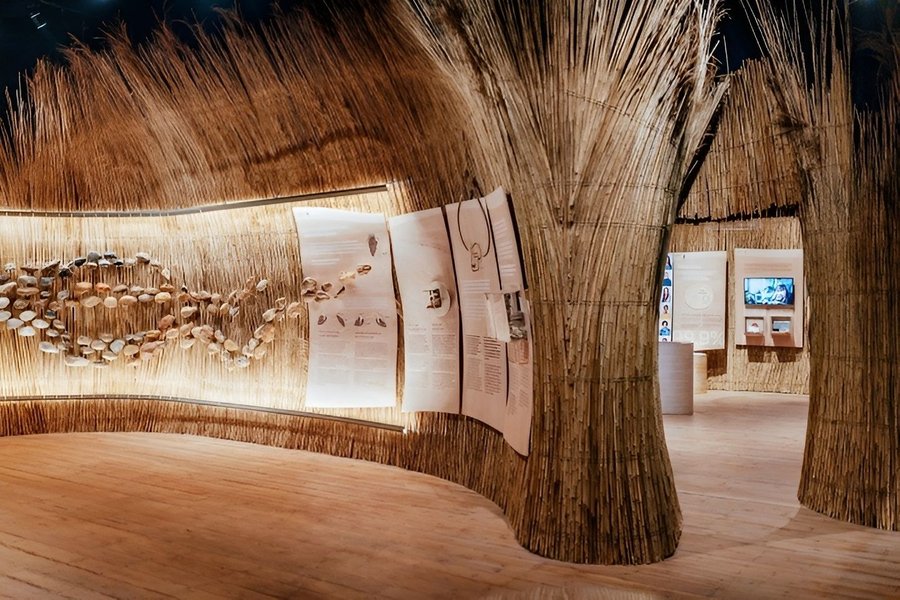
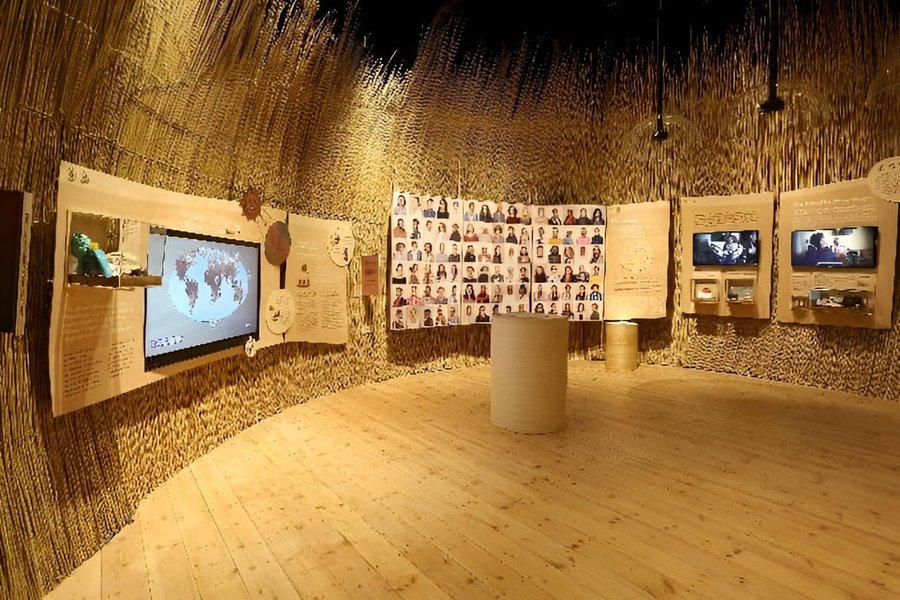
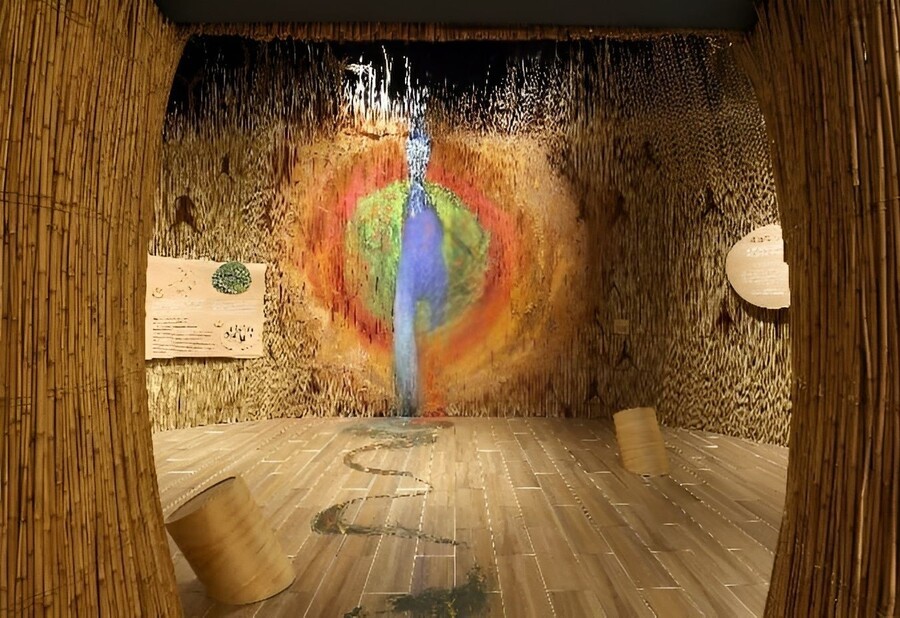
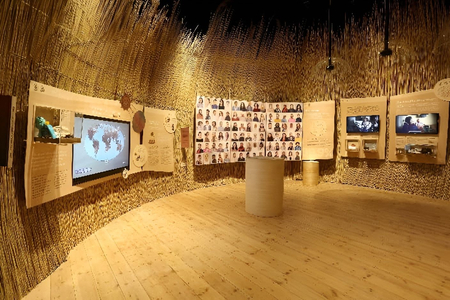
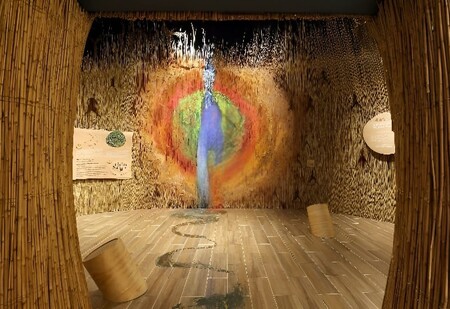
Humanity, an immersive experience on display at the Iziko South African Museum, N. Pamplin, 2023.
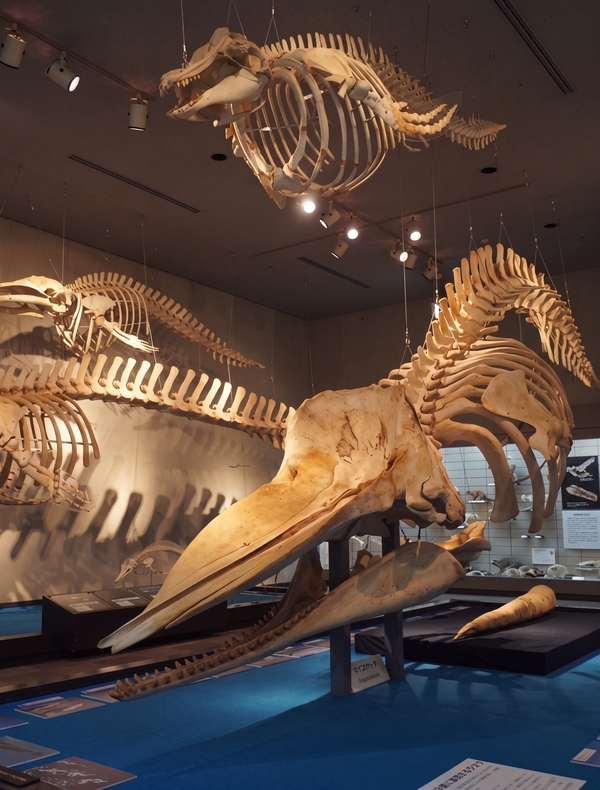
The Mammal Gallery—as the museum now calls it—is considered an artifact of a time when natural history was more about claiming and ordering than about comprehending and inclusivity. From their inception, museums were not simply collecting and preserving; rather, they were arranging the world, and in doing so, they were ordering people: designating a place for each—who is civilized, who will be put on display, and who is observing. This suggests that museums can be viewed as sites of struggle, where different versions of history, identity, and belonging are constantly contending for dominance. During the era of white rule, this struggle was explicit: museums reflected the perspectives of those in power—their vision of what a museum should be, and how public commemorations and society functioned. They served to manifest the ideology behind «white control» and «Afrikaner Nationalism.»
The Bushman Diorama (later referred to by the museum as the Karoo Diorama), 1960.
The most striking image of this ideology is the Bushman Diorama, unveiled in 1960. In this diorama, the native people are cast in plaster, frozen in an idealized version of the pre-colonial period, displayed as «primitive» people who are «fading away,» static, and unchanging. The same display that the museum today labels «a legacy of a bygone era created to foster harmful stereotypes and justify colonial ideas» was created with clear intention. The dispute surrounding the museum is fundamentally about who the historical subject is and who the display’s object is.