Игра как часть игрока
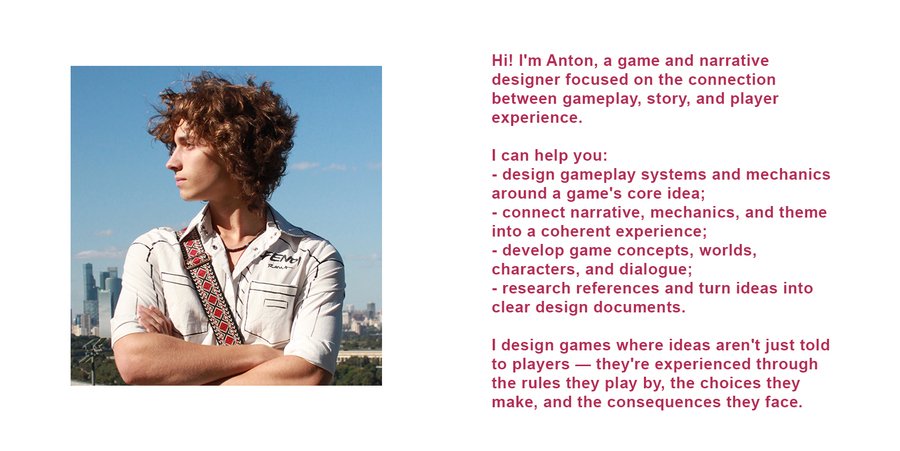
I’m interested in the point where gameplay stops being just a set of rules and becomes part of the player themselves.
Throughout my projects, I’ve gradually moved from designing game systems to exploring how those systems can tell stories and create meaningful experiences. I’d like to show you this journey through five projects.
«Astazione» — Designing Player Behavior
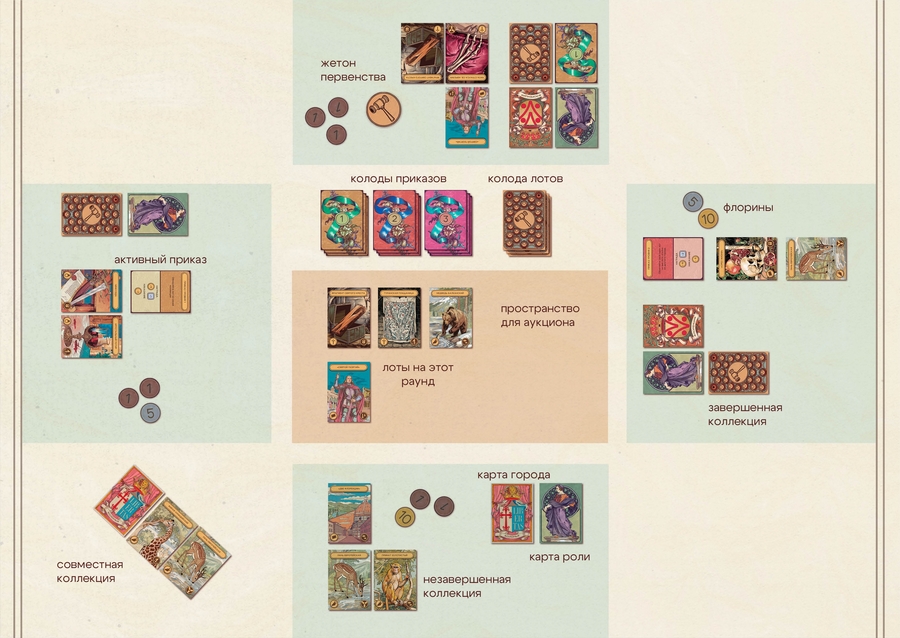
Astazione is a tabletop strategy game about auctions, collecting, and the pursuit of personal greatness.The challenge was to create a game without a single obvious path to victory, giving players room to compete, take risks, and adapt to one another. To achieve this, we introduced three paths to victory: collections, commissions, and secret role objectives. Different auction types and player-to-player trading encourage players to consider not only the value of each lot, but also their opponents' intentions.
Here, I explored how rules shape player behavior and create emergent experiences — situations where strategy arises from interaction.
«WURT» — Expressing an Idea Through Rules
Despite Astazione’s success, it fell short of capturing the feel of an Italian auction during the Renaissance. I set out to address that in WURT.WURT is a tabletop roleplaying system set in the world of Germanic epic, built around the inevitability of fate. Before each scene, players roll runes that determine which actions are available to them. They must work with what fate has dealt them, but they are free to choose how to act.
I wanted players to feel the influence of fate on their actions on a visceral, almost physical level.
This way, the project’s core idea became embedded not just in its setting, but in the very essence of its gameplay.
«What’s in the Glass?» — Layering the Experience
In my next project, a text-based visual novel, I took player perception further by dividing it into three layers, each with a different focus: empathy, puzzle-solving, and the player’s own interpretations.The novel is designed for multiple playthroughs, with each layer unfolding as players gradually piece together the bigger picture.
The result is a more layered, personal experience that encourages players to return and discover more.
«I wander why» — Creating an Experience
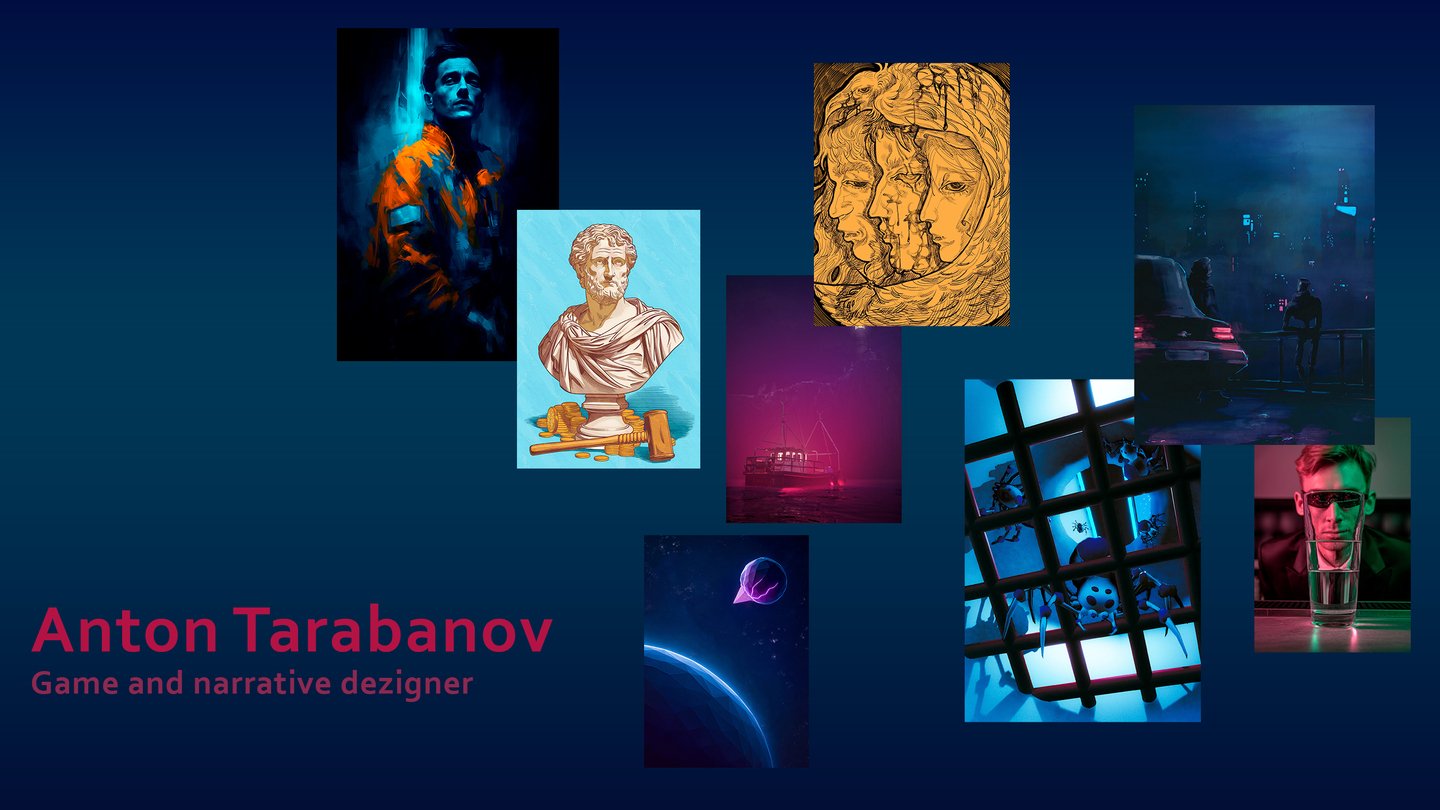
But how can an experience become even more personal — blurring the line between the player and the game itself? To answer that question, I turned to emotion.I wander why is a reflective puzzle game about loneliness. Players control a sentient wandering planet exploring unfamiliar worlds in search of a kindred spirit.Each world has its own character and unique mechanics involving gravity, energy, and crystal movement. By solving puzzles and discovering fragments of consciousness, players gradually piece the planet — and themselves — back together.
Exploring unfamiliar worlds, discovering their underlying rules, and gradually uncovering the meaning of the journey becomes a metaphor for the journey each of us undertakes.
This is where the unity of mechanics and narrative is reinforced by the player’s own emotional experience.
Deepening the Experience
Looking at these projects together, what changes isn’t the complexity of the systems, but the depth of their impact on the player.
— In «Astazione», I designed the experience through systems.
— In «WURT», I explored how a theme can become a rule.
— In «What’s in the Glass?», I divided the experience into layers.
— In «I wander why», I brought,theme, system, and emotion together, giving players a choice in how deeply they engage.
This is the approach I’m now developing in my current project.
«fare.well» — Raising the Stakes!
fare.well is a neo-noir narrative simulator about a former AI developer turned taxi driver, transporting robots deemed defective to a scrapyard.But are they really broken? In this world, human emotions and contradictions are considered signs of malfunction in machines. Which raises the project’s central question: what if humanity itself is a flaw?
Here, I take the formula I’ve developed and combine it with one of the most pressing themes of our time.
This shifts the player’s experience from the personal to the public sphere. The player enters into a dialogue not only with the game, but with the world around them.
This Is Only a Quarter