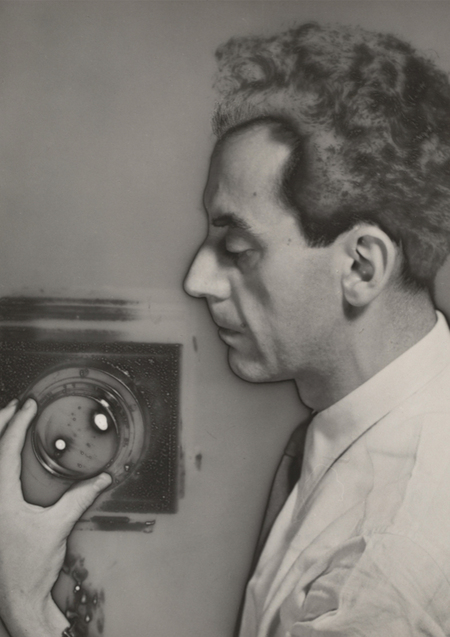
«I paint what cannot be photographed. I photograph what I do not wish to paint.»
Ман Рэй
Man Ray — one of the most significant photographers of the 20th century. He proved that photography, once regarded merely as a reflection of reality, could be true art. His vibrant Dadaist installations and experiments with technique and photosensitive paper were rebellion in the best sense of the word. Man Ray, like other representatives of the movement, actively experimented with framing and perspective, innovative photomontage, viewed objects as abstractions, and boldly challenged the genre’s traditions. [1]
Concept
Photography is considered the most «honest» form of image: it captures what was in front of the lens. In the works of Man Ray, the human body ceases to be a portrait of a specific person and instead becomes an object—a form, a symbol, a thing, or a hybrid. Using perspective, framing, lighting, and fragmentation, the artist transforms the body, stripping away its familiar recognizability and turning it into an unusual, sometimes almost abstract object. The works progress from the simplest techniques (a frame cropping a portion) to the most radical (the body transforming into another creature). At each stage, the body becomes less and less recognizable.
Navigation
- Concept
- Biography
- Hypothesis
- Visual Techniques 4.1 Framing 4.2 Angle 4.3 Light and Solarization 4.4 Hybridization
- Conclusion
Hypothesis
Manny Ray’s body loses recognizability through several recurring visual elements:
- Framing—the frame crops the head, limbs, and context, leaving a fragment that reads as an independent form.
- Angle—unfamiliar viewpoints and body turns alter the form, transforming familiar anatomy into relief.
- Light and solarization—illumination and laboratory tone inversion convert volume into contour, and skin into graphic shapes or luminous matter.
- Hybridization—the body merges with an object, adopting its properties.
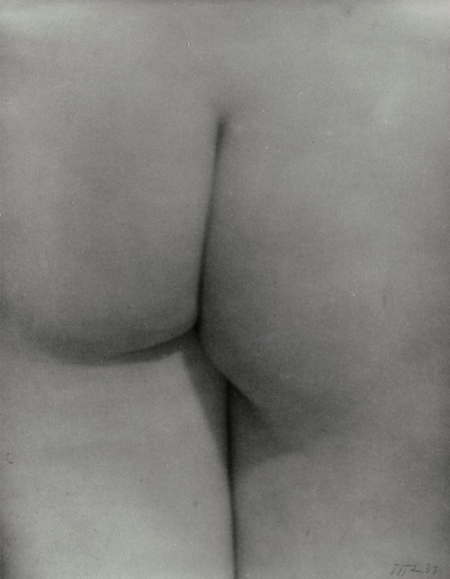
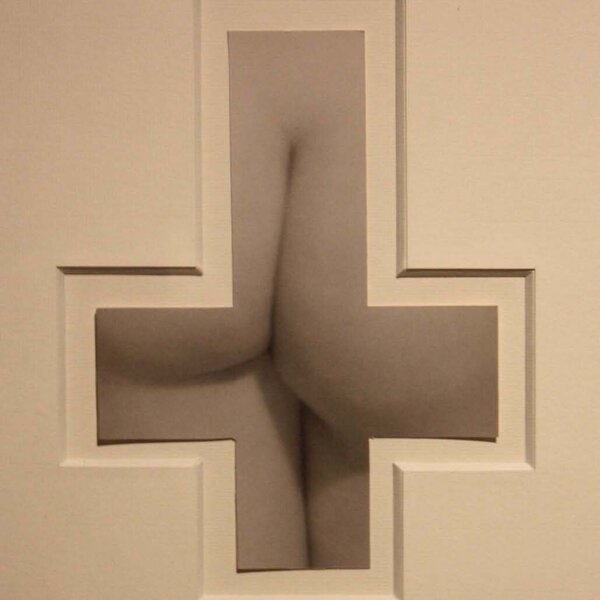
«Monument to D.A.F. de Sade» / Man Ray / 1933
«Glass Tears» / Man Ray / 1932

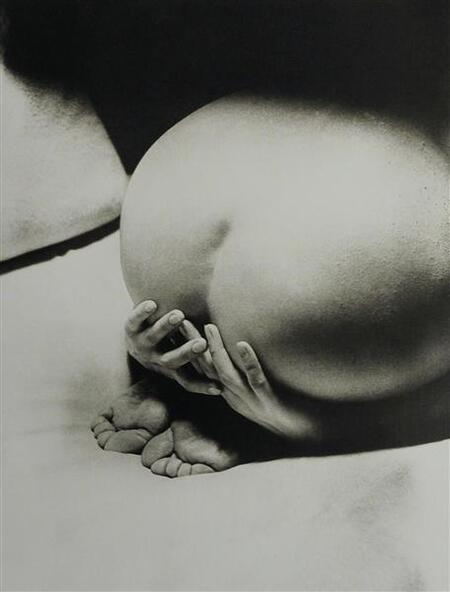
«La Prière» / Man Ray / 1930
«Noire et Blanche» / Man Ray / 1926
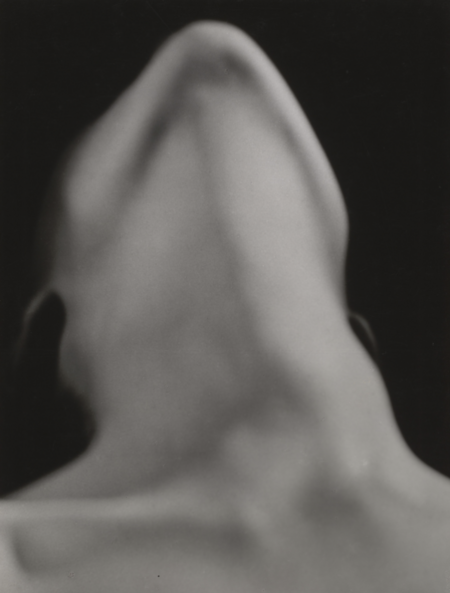
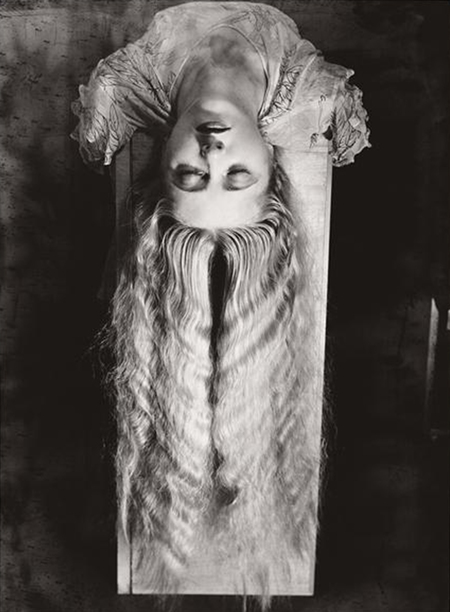
«Anatomies» / Man Ray / 1929 «Woman with Long Hair» / Man Ray / 1929
«Minotaur» / Man Ray / 1934
«Primacy of Matter over Thought» / Man Ray / 1929
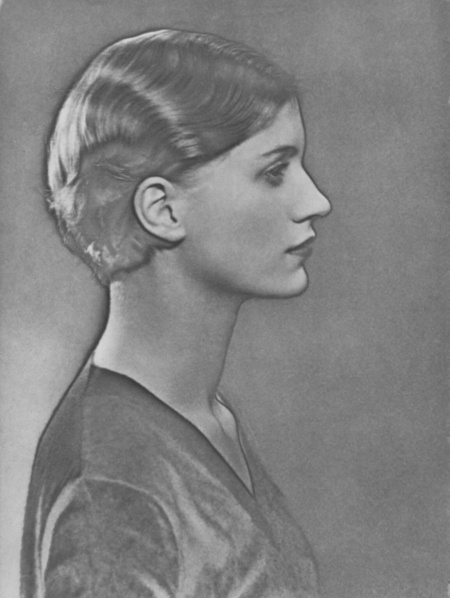
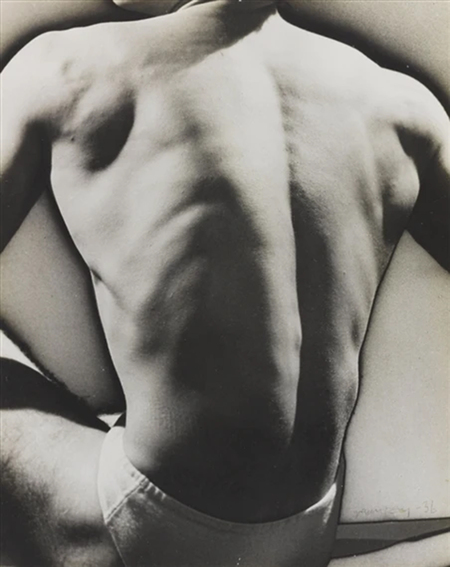
«Solarized Male Torso» / Man Ray / 1930 «Lee Miller» / Man Ray / 1929
«Solarization» / Man Ray / 1931
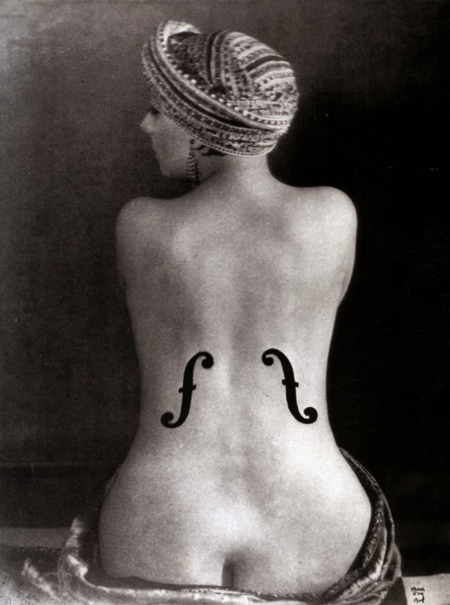
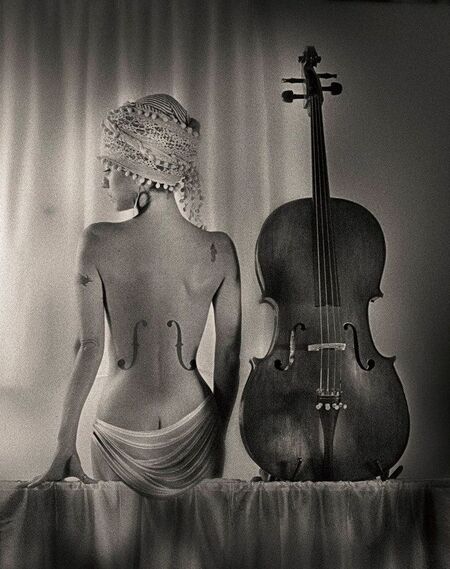
«Le Violon d’Ingres» / Man Ray / 1924
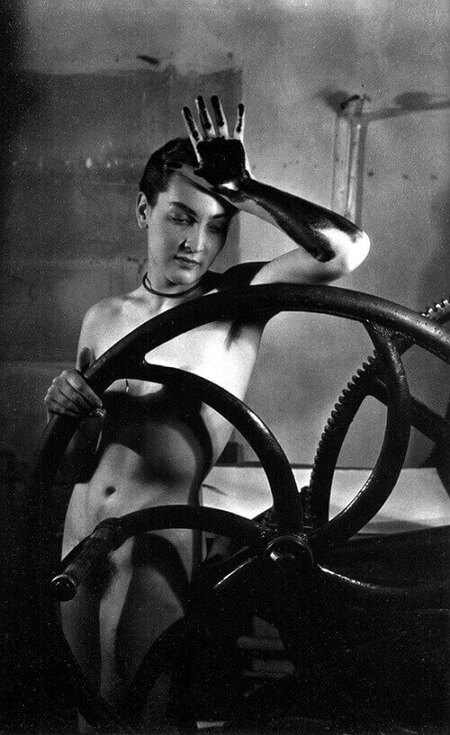
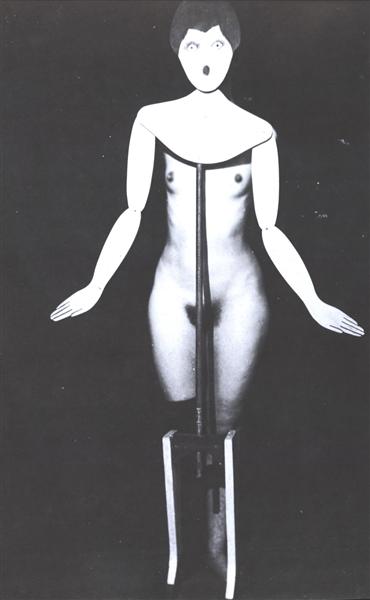
«Erotic Veil» / Man Ray / 1933 «The Coat Stand» / Man Ray / 1920
https://www.wikiart.org/ru/man-rey/all-works