
brand logo
Surf Coffee® provides an interesting example for studying brand communication. Over the past decade, a new type of brand has emerged in Russia: the lifestyle brand that promotes not only a product but also a set of values, experiences, and a sense of belonging. Surf Coffee is one of the most recognizable Russian examples of this approach.
Its positioning is built around surf culture, which remains relatively uncommon in Russia. Few people actively participate in surfing, and for most Russians it is associated with distant places and a different way of life. By incorporating surf aesthetics into everyday urban environments, the brand creates a sense of escape, freedom, and adventure that appeals to its audience.
This study examines how Surf Coffee® communicates these ideas using the Elaboration Likelihood Model (ELM) developed by Petty and Cacioppo and Social Identity Theory (SIT) developed by Tajfel and Turner.
I. About the Brand
Surf Coffee® is a Russian coffee chain founded in 2010 in Obninsk. The first outlet was opened by a group of young people interested in both specialty coffee and surf culture. Today, the company operates more than 300 locations worldwide.
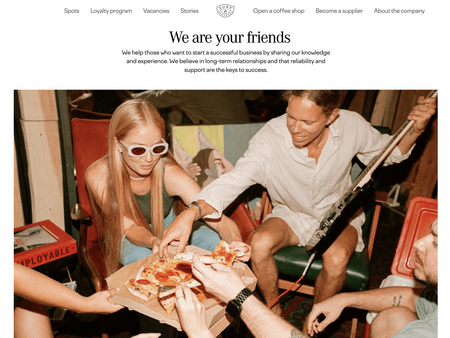
A defining characteristic of the brand is that it presents itself not simply as a coffee chain, but as a lifestyle community. Its locations are called «spots, ” customers are referred to as „friends, ” and employees are known as the „surf team.“

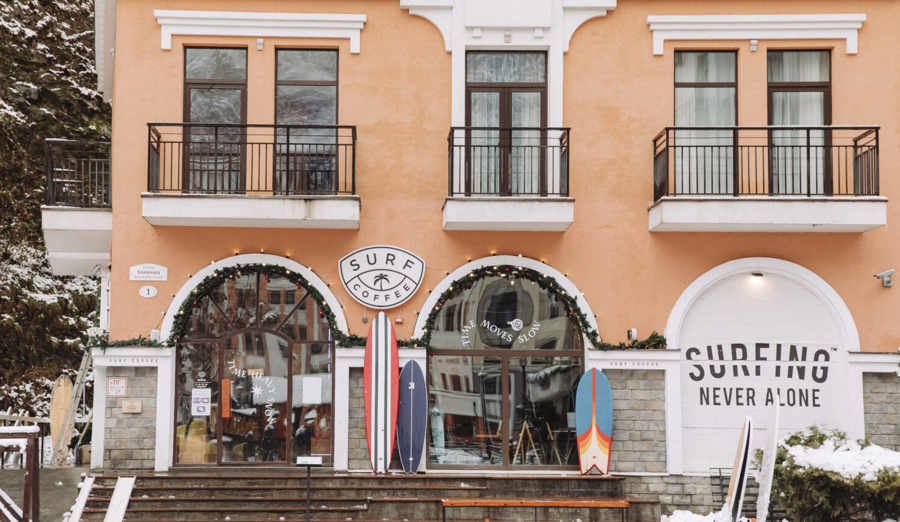
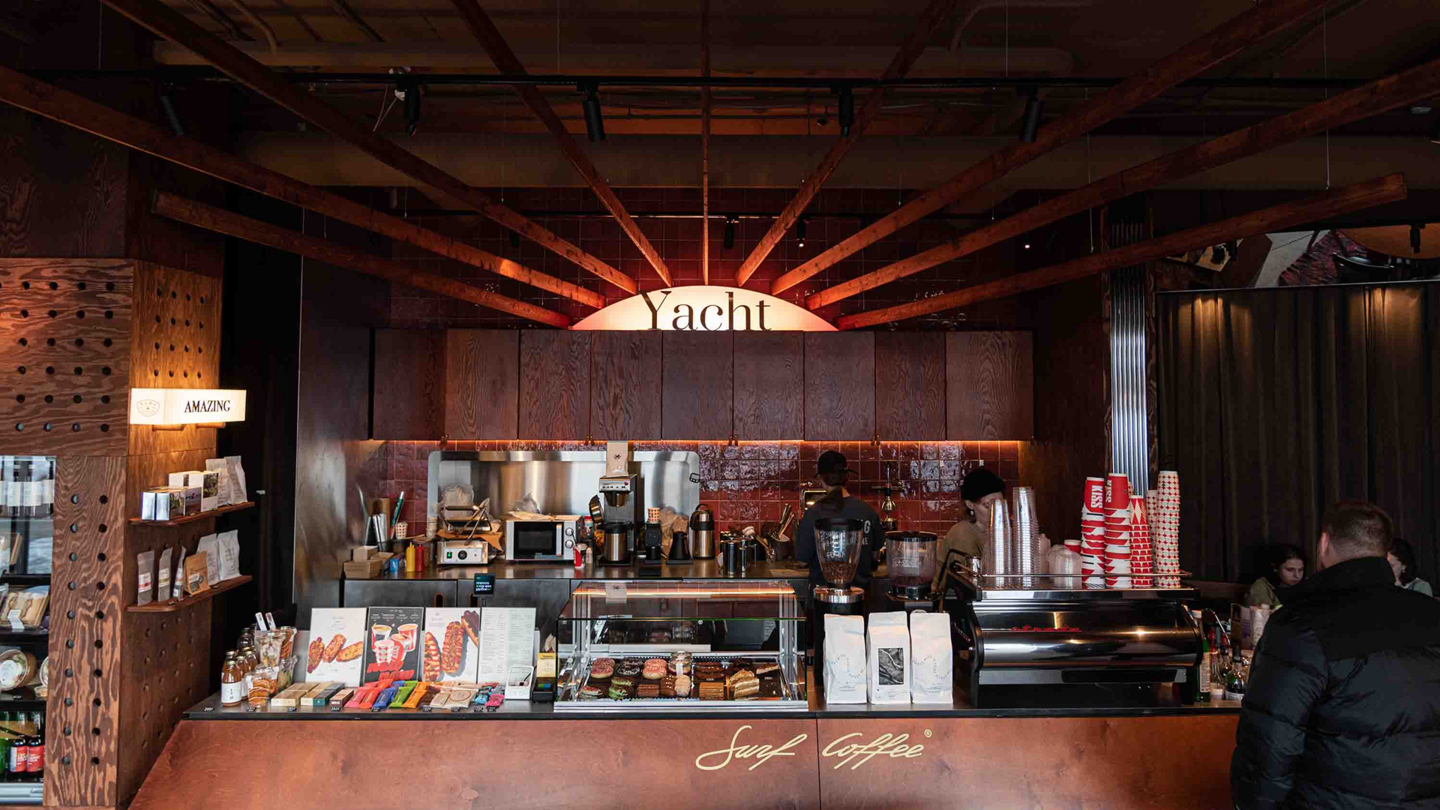
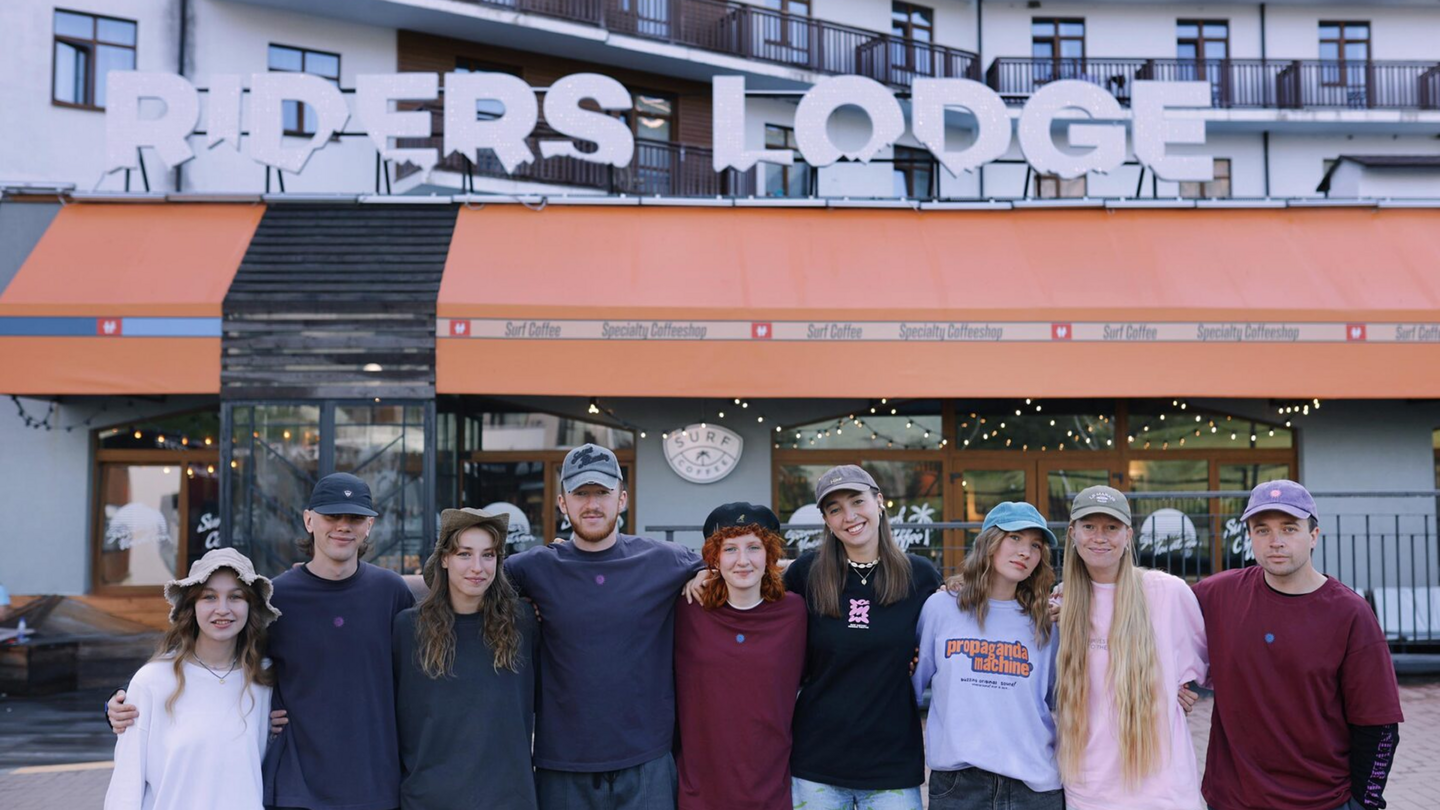
the team and the premises of the surf coffee
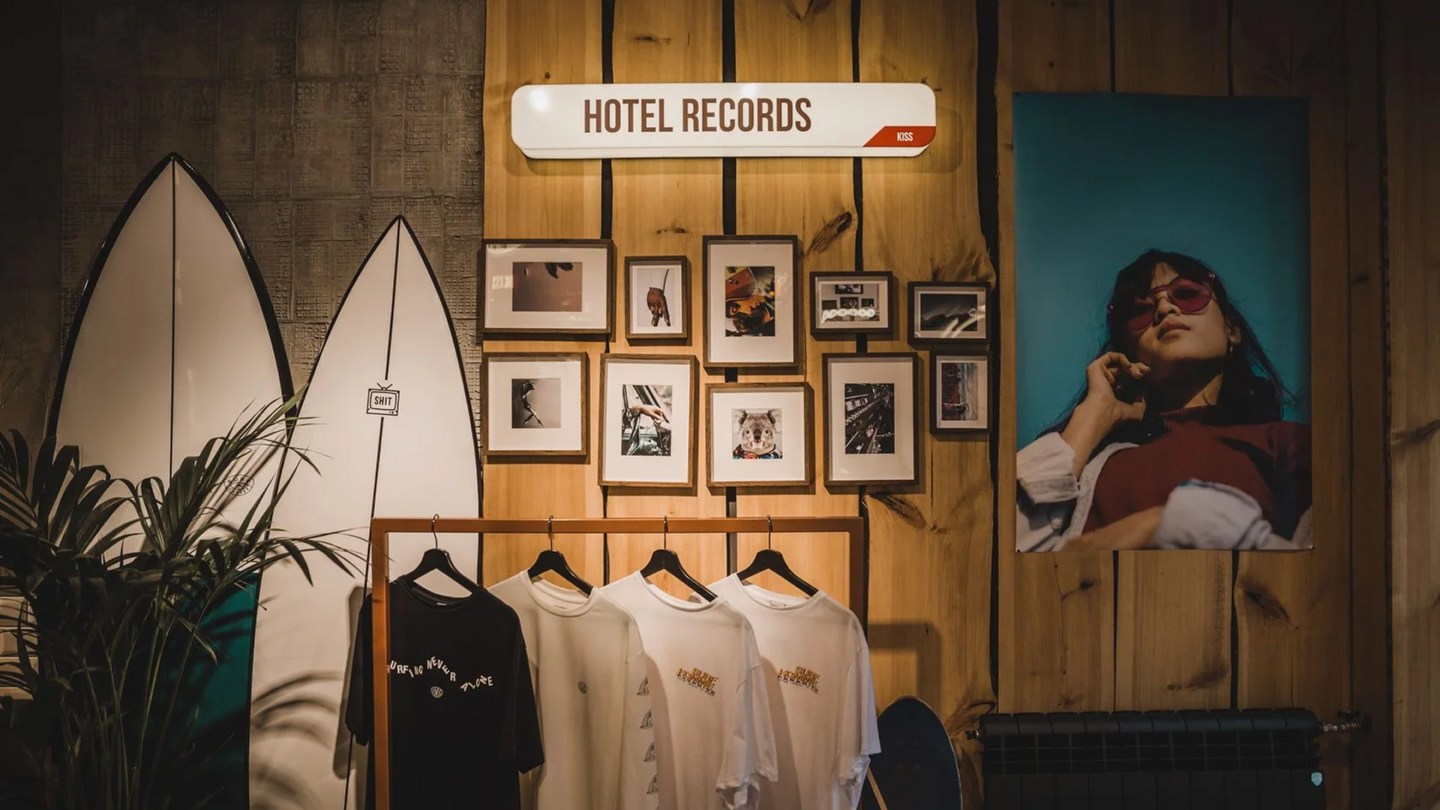
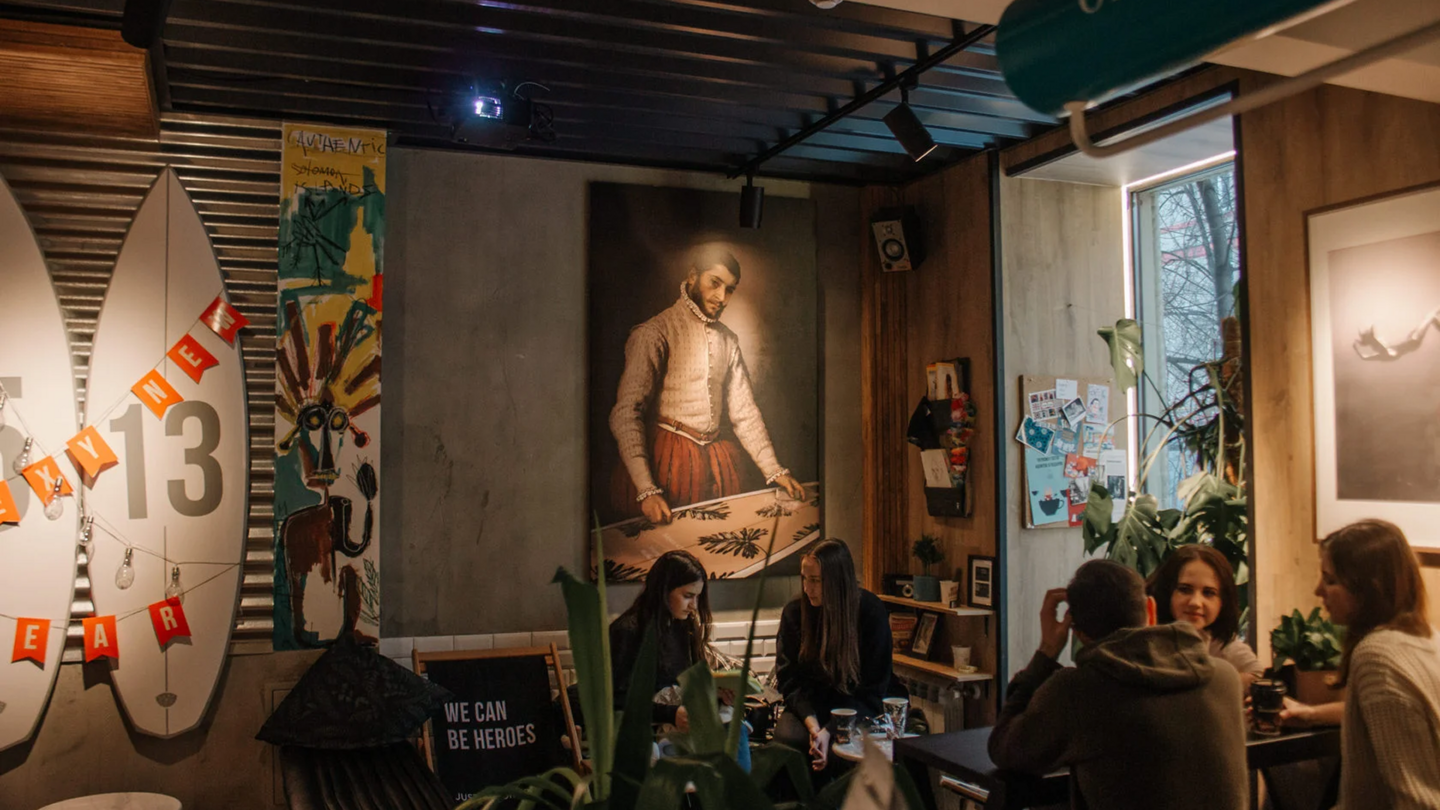
surf coffee interiors
The brand’s identity is built around the Explorer archetype. Coffee is presented as fuel for movement and discovery, while each spot serves as a place to recharge before the next «wave, ” whether literal or metaphorical. Rather than focusing solely on its products, Surf Coffee emphasizes membership in a community united by shared values and interests

Key Positioning Attributes
Movement: «We travel the world, discovering new places».
Quality and Authenticity: Blue Hawaii Roast® coffee and carefully selected coffee farms.
Culture: Music, street art, and film are integral parts of the brand experience.
Openness: «Doors open to everyone».
The slogan «Surfing Never Alone» reflects the brand’s broader philosophy of community and shared experiences.
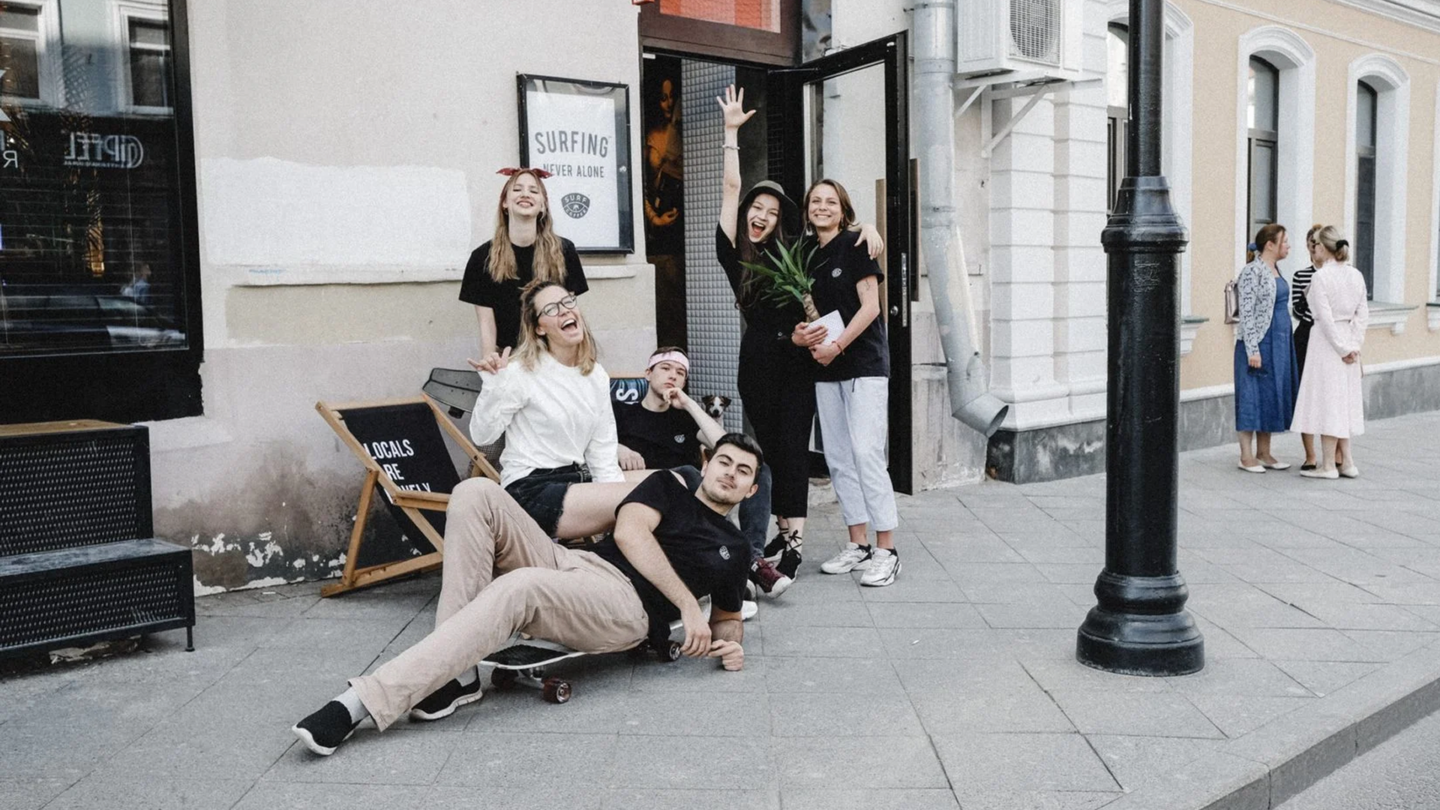
surf coffee team

Primary Audience
Age: 18–35 Profile: Urban, active consumers Key motivations: Atmosphere, aesthetics, and a sense of belonging.
Secondary Audience
Profile: Professionals working in design, music, photography, and other creative industries Key motivations: Cultural relevance, creative environment, and coffee expertise.
Tertiary Audience
Profile: Franchisees, business partners, and media representatives Key motivations: Product quality, business reputation, and network scale.
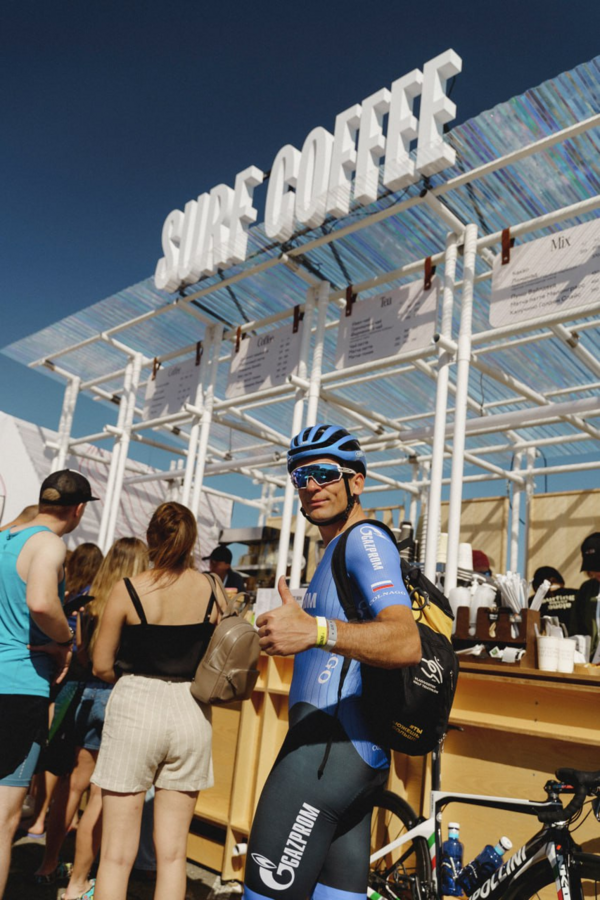
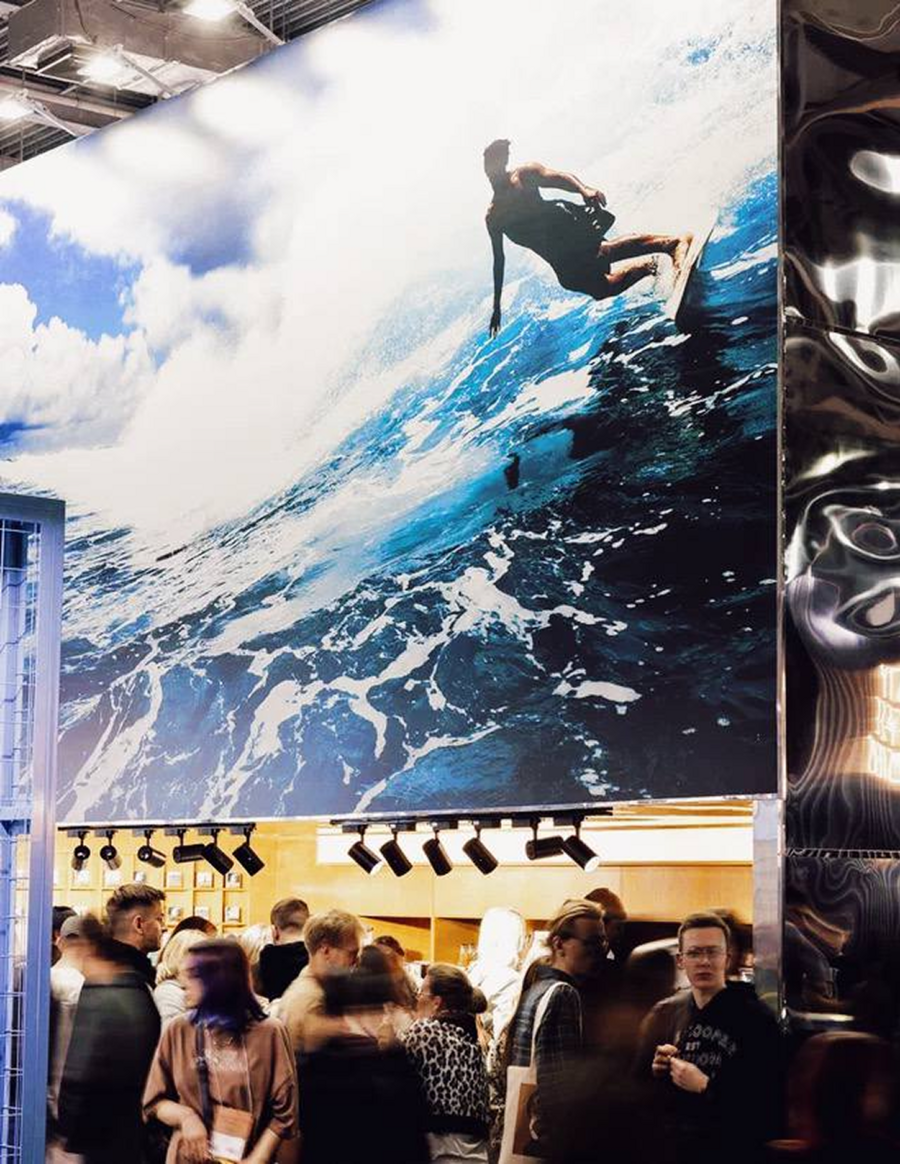
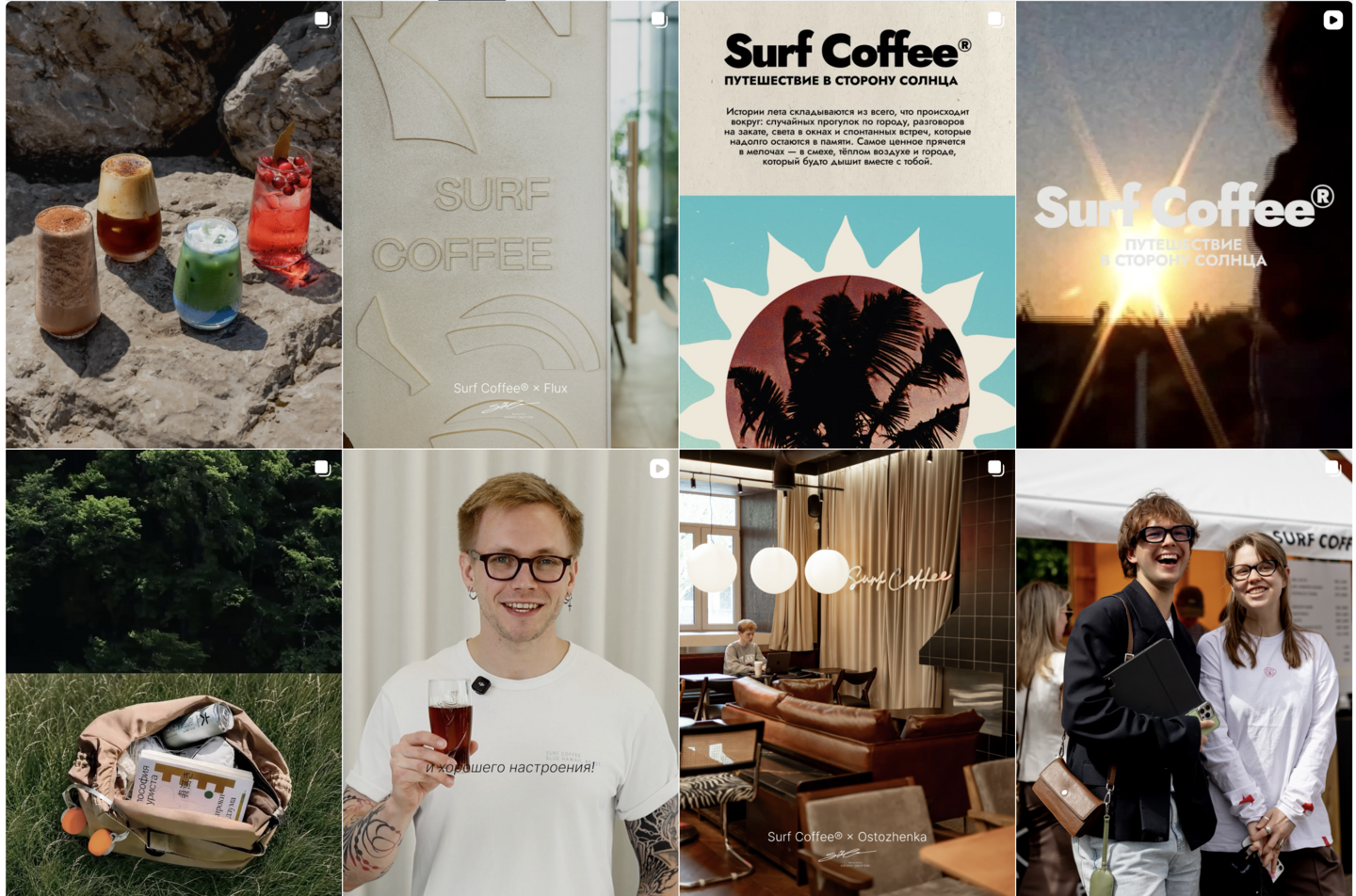
photos from the social media
II. Communication Channels
Surf Coffee uses several communication channels, each serving a different purpose within the brand’s overall communication strategy.
Instagram is used to showcase the brand’s visual identity through photographs of spots, lifestyle content, collaborations, and company updates. It also helps maintain direct communication with customers.
TikTok focuses on short-form video content, including barista routines, behind-the-scenes footage, and content based on popular trends.
VK targets the Russian-speaking audience and is primarily used to promote events, run contests, and support community engagement.
Surfcoffee.ru serves as the brand’s main commercial platform, providing information about locations, the online store, the loyalty programme, career opportunities, and franchise development.
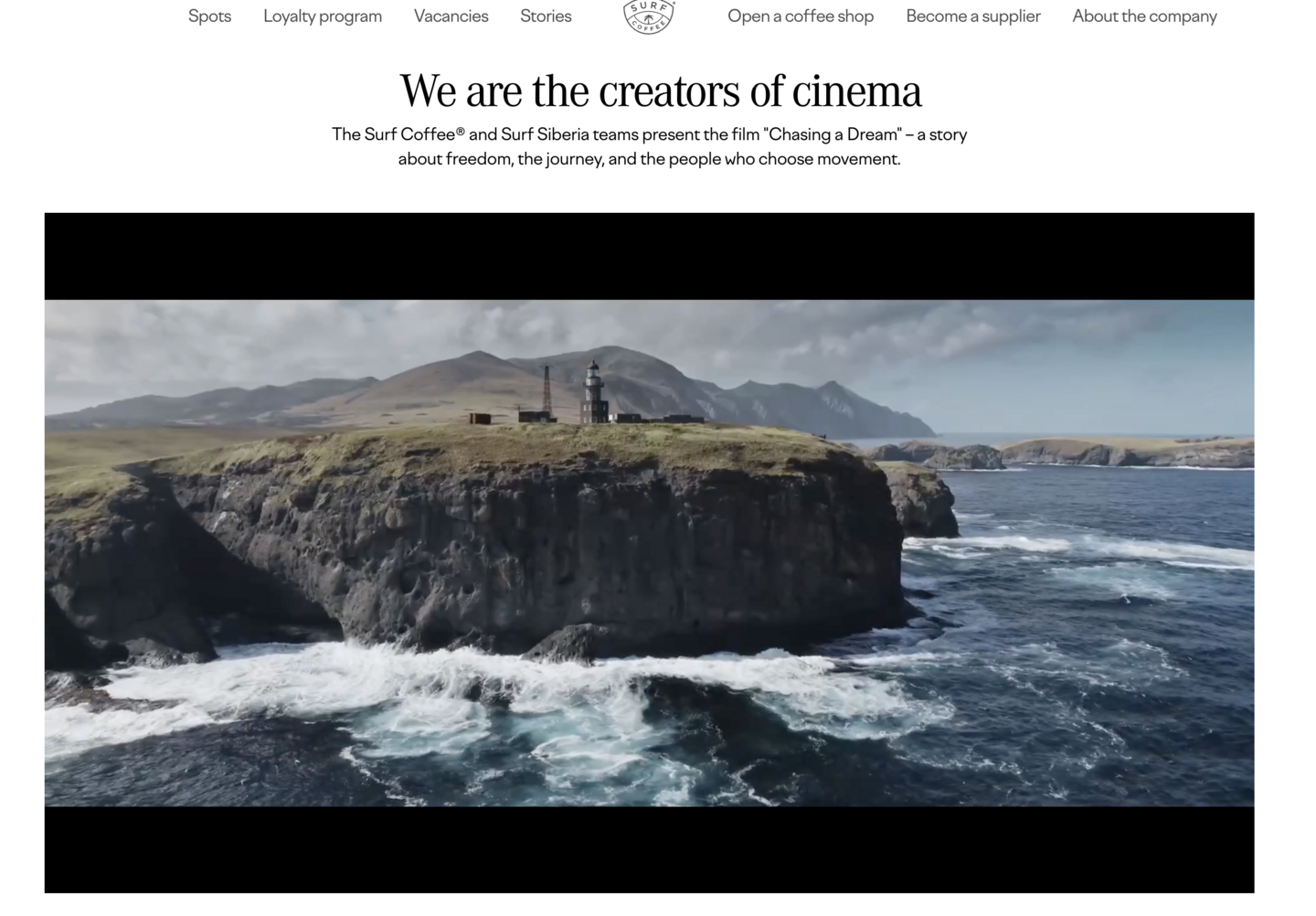
surf coffee social media
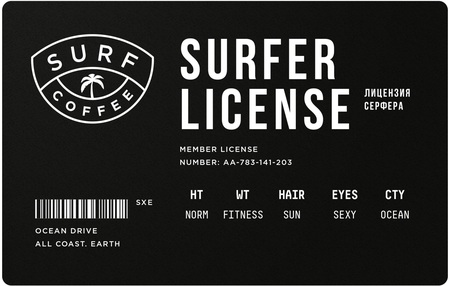
The Surfer’s License is more than a traditional discount card; it reinforces the brand’s community-oriented identity.
Key benefits include:
20% cashback in bonus points, redeemable at all Russian locations (1 point = 1 ruble); a free favourite drink on the customer’s birthday; a complimentary drink for a guest visiting a spot for the first time with a License holder.

Event Marketing and Collaborations
Surf Coffee actively develops its public presence through cultural events and partnerships.
Examples include:
RBC Coffee Talk: «How to Catch Your Wave», aimed at a business-oriented audience
New Star Camp, including collaborations with youth-focused educational initiatives and digital integrations; The Blueprint, one of Russia’s leading fashion and lifestyle media platforms
Beat Film Festival, supporting documentary film and strengthening the brand’s association with contemporary culture
participation in professional coffee competitions, including SCA Moscow 2021, the Russian Coffee Cup Final 2025, and Barista League Asia 2025.
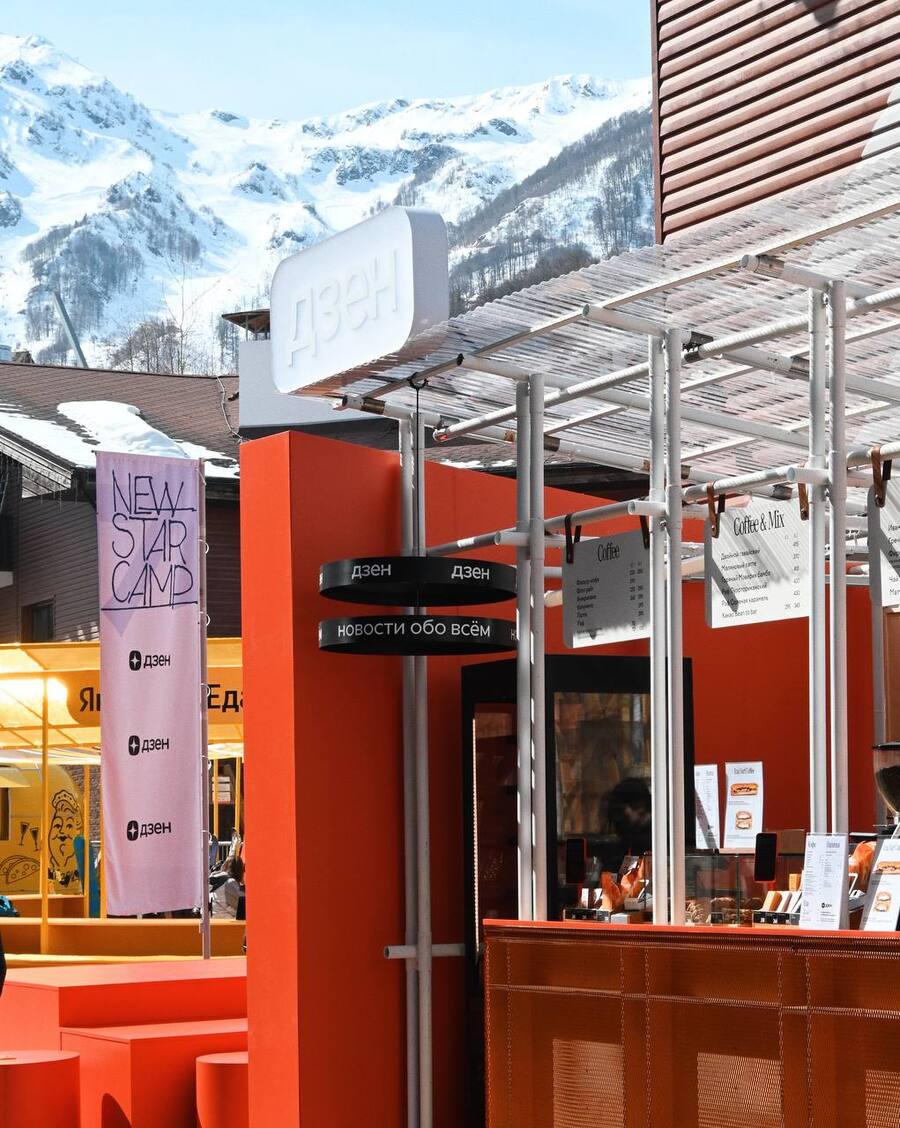
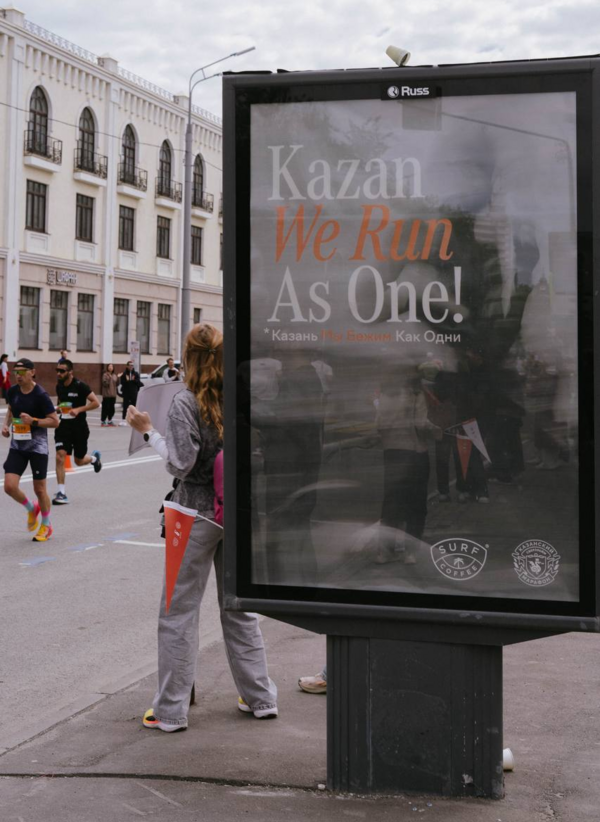
surf coffee in collaboration with other brands
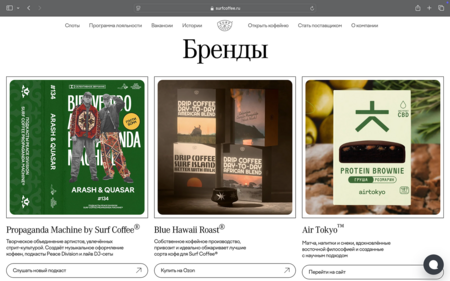
Sub-brand Ecosystem
Surf Coffee’s sub-brands also function as communication tools, extending the brand identity into related areas.
Blue Hawaii Roast® — the company’s own roasting operation, demonstrating expertise and commitment to quality.
Air Tokyo™ — a concept focused on matcha and light food offerings, expanding the brand’s presence in the wellness and specialty beverage segment.
Blue Hawaii roast by surf coffee
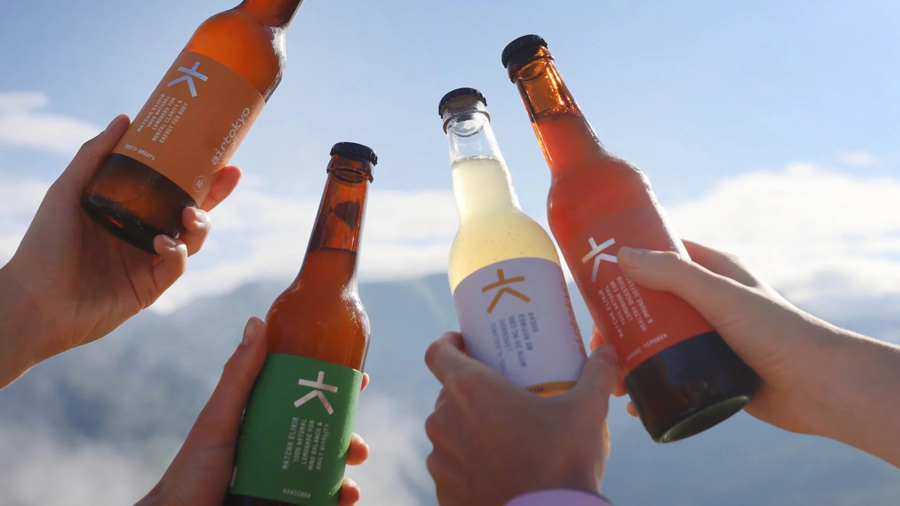

products Air Tokyo™ and Blue Hawaii roast by surf coffee

Propaganda Machine — a creative platform involving street art, music, and podcasts that strengthens the brand’s connection with contemporary culture.
SCPM — a clothing line offering seasonal streetwear collections and providing customers with a physical expression of brand affiliation.

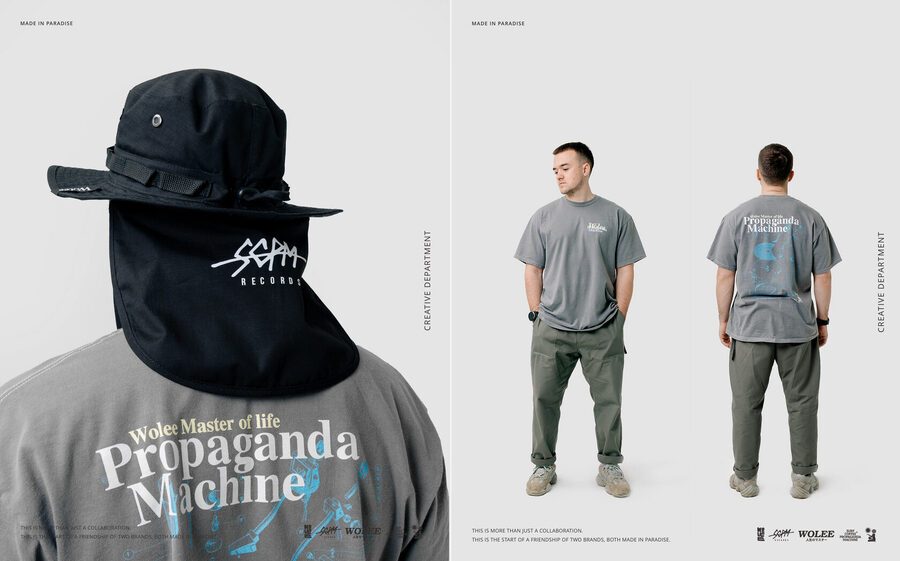
surf coffee in collaboration with Propaganda Machine
PR Strategy
Surf Coffee’s communication approach closely reflects the Two-Way Symmetrical Model proposed by Grunig and Hunt. Rather than relying solely on one-way promotional messages, the brand seeks to build ongoing relationships with customers, partners, and franchisees.
This approach is also consistent with the principle of communal relationships, which emphasizes creating value for stakeholders without expecting immediate returns. Examples include investments in cultural events, music initiatives, and franchisee education and training programs.
III. Theoretical Framework
Choice of Theories
Two theories from the course syllabus were selected to analyse Surf Coffee’s communication strategy: — Elaboration Likelihood Model (ELM) developed by Petty and Cacioppo; — Social Identity Theory (SIT) developed by Tajfel and Turner.
These theories address different aspects of brand communication. ELM helps explain how the brand persuades different audiences, while SIT provides insight into the social processes that contribute to customer loyalty and community formation.
Elaboration Likelihood Model (ELM)
According to ELM, persuasion can occur through two different routes.
Central Route
The central route requires a high level of audience involvement. Individuals carefully evaluate information, arguments, and evidence before forming attitudes or making decisions. This route is most effective when the audience is motivated and willing to process information in depth. As a result, attitude changes achieved through the central route tend to be more stable and long-lasting.
Peripheral Route
The peripheral route relies on simple cues and heuristics rather than detailed evaluation of arguments. These cues may include attractiveness, authority, popularity, or social proof. While this route can influence a broader audience, the resulting attitude changes are often less durable than those produced through the central route.
An effective communication strategy typically combines both routes, addressing audiences with different levels of involvement and motivation.
Social Identity Theory (SIT)
Social Identity Theory proposes that an individual’s self-concept is partly shaped by membership in social groups, often referred to as in-groups.
Several key mechanisms explain this process:
— In-group and out-group distinction: individuals categorize people into groups such as «us» and «them.»
— Social comparison: groups evaluate themselves in relation to other groups.
— Positive distinctiveness: members seek characteristics that make their group appear favourable or unique.
— Identification: group membership becomes an important part of personal identity.
In the context of branding, SIT suggests that loyalty can extend beyond product attributes. When consumers perceive a brand as part of their social identity, attachment to the brand may be reinforced through group membership and self-identification, rather than through product evaluation alone.

IV. Analysis
ELM: Central Route
Surf Coffee engages the central route of persuasion by presenting evidence of expertise and product quality, particularly to coffee enthusiasts, industry professionals, and potential franchise partners.

Professional Achievements
Industry awards and competition results provide concrete information for audiences familiar with the specialty coffee sector. Examples include:
Winner of the SCA Moscow Barista Championship 2021; Finalist in the Russian Coffee Cup Final 2025; Recipient of the Best Coffee Packaging Award at CoffeeTeaCacao Expo 2022; Participation in Barista League Asia 2025, an international coffee competition.
For highly involved audiences, these achievements can serve as indicators of professional competence and industry recognition.
Blue Hawaii Roast®
Surf Coffee’s own roasting operation, Blue Hawaii Roast®, also supports central-route processing. By controlling the roasting stage of production, the company demonstrates a higher level of involvement in coffee quality. References to specific coffee origins and varieties, such as Ethiopia Sidamo and Colombia La Plata, provide information that allows consumers to evaluate quality through transparency and product knowledge.


surf coffee team at the competition


details of the surf coffee products
ELM: Peripheral Route
Much of Surf Coffee’s public communication relies on peripheral cues that encourage positive associations without requiring detailed evaluation of information.
SIT: In-Group Identity Formation
Surf Coffee encourages the development of a strong in-group identity through several interconnected mechanisms.

The Surfer’s License as a Membership Symbol
The decision to call the loyalty card a Surfer’s License adds symbolic meaning to an otherwise standard loyalty programme. From the perspective of Social Identity Theory, obtaining the licence may be interpreted as becoming a recognised member of the community rather than simply receiving a discount card.
SCPM Clothing as a Visible Group Marker
SCPM clothing provides customers with a tangible way to express their connection to the brand. According to SIT, visible symbols of group membership can strengthen identification with the in-group while also making membership recognisable to others.
«Surfing Never Alone» and Collective Identity
The slogan «Surfing Never Alone» directly reflects the idea of community and shared belonging. Rather than focusing exclusively on coffee consumption, it emphasizes participation in a collective experience and social network.
Intergroup Comparison: «Us» and «Them»
Surf Coffee frequently differentiates itself from larger coffee chains such as Starbucks, Cofix, and Coffee Like. This distinction is reflected in the brand’s language and communication style. By presenting itself as a community-oriented movement rather than a conventional chain, Surf Coffee creates a contrast between its own identity and that of competing brands. According to SIT, such comparisons can strengthen positive distinctiveness and reinforce group boundaries.


stories of the team’s travels and collaborations


surf coffee team at the competition
ELM and SIT: Combined Effects
The two theories complement one another in explaining Surf Coffee’s communication strategy.
ELM helps explain how the brand appeals to different audiences. The central route targets consumers seeking information about expertise, product quality, and professional credibility. The peripheral route attracts broader audiences through aesthetics, atmosphere, cultural associations, and symbolic language.
SIT helps explain how these initial impressions can develop into longer-term attachment. As consumers begin to identify with the values, culture, and community associated with the brand, Surf Coffee may become part of their social identity rather than simply a place to purchase coffee.
The relationship between the two theories is particularly visible in the brand’s use of aesthetics, music, visual style, and language. These elements help create an image of a distinctive community, while central-route cues such as awards, competitions, and Blue Hawaii Roast® provide rational support for positive brand evaluations.
As a result, Surf Coffee combines emotional identification with perceptions of expertise and quality. Together, these mechanisms contribute to a level of brand commitment that extends beyond product attributes alone.
V. Recommendations
Communication Effectiveness
The analysis based on ELM and SIT suggests that Surf Coffee follows a consistent and well-integrated communication strategy. The brand combines persuasive communication techniques with mechanisms that encourage a sense of community and belonging.
Strengths
— Use of both persuasion routes: the brand appeals to audiences seeking factual information as well as those responding primarily to emotional and symbolic cues.
— Consistent brand narrative: communication activities support a shared theme of movement, exploration, and community.
— Strong community-building elements: multiple symbols, rituals, and cultural references encourage identification with the brand.
— Effective use of sub-brands: related projects expand the brand’s presence while remaining connected to its core identity.
— Relationship-oriented communication: partnerships, events, and community initiatives reflect principles associated with the Two-Way Symmetrical PR model.
Areas for Growth and Recommendations
Strengthen Central-Route Communication
While Surf Coffee effectively uses aesthetics and cultural associations, information about coffee expertise is less visible in everyday social media content. Greater emphasis on roasting, sourcing, and quality standards could strengthen appeals to highly involved consumers.
Expand Membership Rituals
According to SIT, stronger group identification can be achieved through shared experiences and symbolic membership. A tiered Surfer’s License system, exclusive events, and community-generated content could further reinforce engagement.
Improve International and Cross-Platform Communication
More consistent content strategies across platforms could strengthen the brand narrative. In addition, adapting cultural content for international audiences may help Surf Coffee extend its identity beyond Russian-speaking markets while maintaining its distinctive character.
VI. Conclusion

The analysis demonstrates that ELM and SIT provide useful frameworks for understanding Surf Coffee’s communication strategy.
ELM helps explain how the brand combines rational and emotional appeals to reach different audiences. SIT helps explain how these interactions may contribute to long-term loyalty by encouraging consumers to associate the brand with their social identity.
One of the most distinctive aspects of Surf Coffee is its use of surf culture within a context where surfing is not a common everyday activity. Rather than limiting the brand, this contrast contributes to its uniqueness and helps create an experience that differs from that of a traditional coffee chain.
As a result, Surf Coffee positions itself not only as a provider of coffee products but also as a community built around shared values, experiences, and cultural references.
Course «Communication Theory: Bridging Academia and Practice.» Smart LMS, HSE School of Communications, 2025.
Griffin, E. A First Look at Communication Theory. New York: McGraw-Hill, 2012.
Dainton, M., Zelley, E. Applying Communication Theory for Professional Life. Thousand Oaks: Sage, 2015.
Fisher, W. R. «Narration as a Human Communication Paradigm.» Communication Monographs 51, no. 1 (1984): 1–22.
Petty, R. E., & Cacioppo, J. T. Communication and Persuasion: Central and Peripheral Routes to Attitude Change. New York: Springer, 1986.
Tajfel, H., & Turner, J. C. «An Integrative Theory of Intergroup Conflict.» In The Social Psychology of Intergroup Relations, ed. W. G. Austin & S. Worchel, 33–47. Brooks/Cole, 1979.
Grunig, J. E., & Hunt, T. Managing Public Relations. New York: Holt, Rinehart & Winston, 1984.
Norman, D. The Design of Everyday Things. Cambridge: MIT Press, 2013.
Craig, R. T. «Communication Theory as a Field.» Communication Theory 9, no. 2 (1999): 119–161.
Surf Coffee®: официальный сайт: раздел «Наши споты» [Электронный ресурс] // Surf Coffee®. — URL: https://www.surfcoffee.ru/surf-coffee-stores (дата обращения: 14.06.2026).
Surf Coffee® [Электронный ресурс] // Google Maps / Google LLC. — URL: https://www.google.com/maps/search/Surf+Coffee (дата обращения: 14.06.2026).
Surf Coffee®: магазин на Ozon «Blue Hawaii Roast» [Электронный ресурс] // Ozon / Ozon LLC. — URL: https://www.ozon.ru/seller/blue-hawaii-roast/products/?__rr=1&abt_att=1&miniapp=seller_305569&origin_referer=www.surfcoffee.ru (дата обращения: 14.06.2026).
Surf Coffee®: официальная страница ВКонтакте [Электронный ресурс] // ВКонтакте / VK.com. — URL: https://vk.com/surfcoffee (дата обращения: 14.06.2026).
Surf Coffee®: официальный Telegram-канал [@surfcoffeeru] [Электронный ресурс] // Telegram. — URL: https://t.me/surfcoffeeru (дата обращения: 14.06.2026).