Project Concept
An original doll brand for girls aged 7–12, built around a unique play universe—an experimental town in the northwest where science and nature intertwine with the daily lives of the characters. The world holds traces of unusual past experiments. Five heroines explore it, discovering strange devices, deciphering signals, and gradually unraveling the town’s secrets.
Project Values
Curiosity—asking questions and seeking your own answers.
Independence—exploring the unknown, trying, and making mistakes.
Friendship—uniting diverse abilities and perspectives.
Imagination—seeing the extraordinary in the familiar.
Care for nature—finding ways to interact with the living world.
World
Key Elements of the Game Universe:
City: Northwest coast, fog, ocean, experimental architecture.
Setting: A scientific settlement established in the 1970s as an attempt to build a future society.
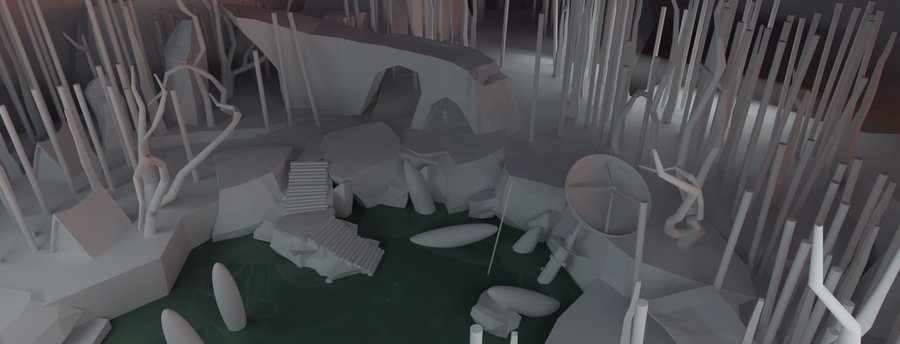
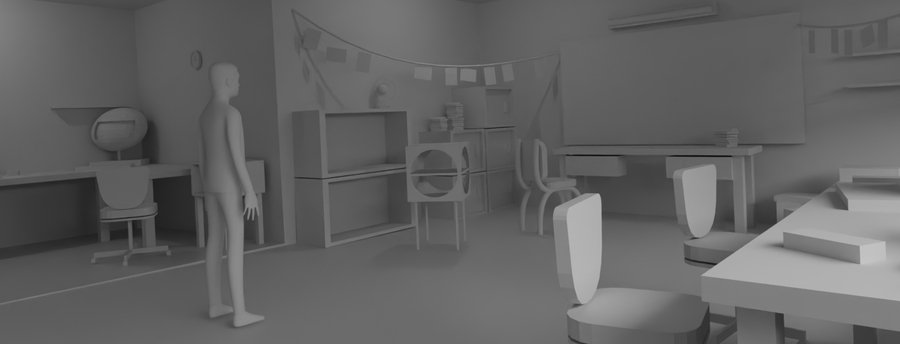
Locations: Abandoned research base, residential buildings, laboratories, coastline, technical structures.
Technology: Analog instruments, antennas, sensors, homemade communication devices.
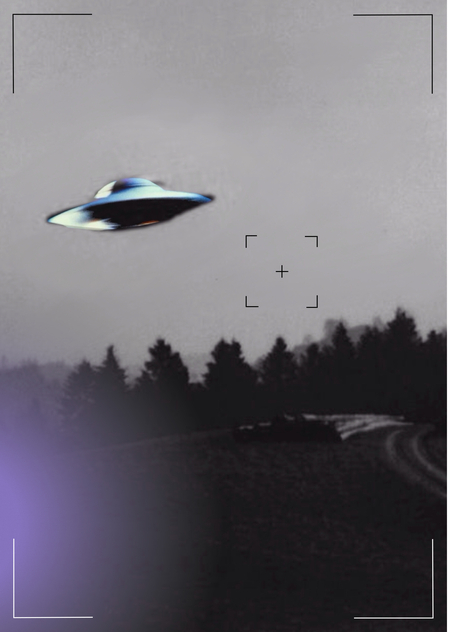
Mystery: Traces of experiments, unknown signals, and strange environmental reactions.
Protagonists: Ordinary girls with diverse personalities, interests, and ways of exploring the world.
Visual Language
Retro-futurism of the 1970s: future technologies through the lens of the past.
North Coast Aesthetic: fog, damp concrete, faded surfaces, and the ocean.
Scientific Archaism: analog screens, buttons, wiring, scales, and labels.
Environment vs. Character Contrast: a muted, slightly mysterious world set against vibrant, expressive heroines.
Graphic System: archival diagrams, laboratory labels, maps, notes, symbols, and pictograms.
Target Audience
Primary audience: Girls aged 7–12 interested in characters, individual style, collecting, exploration, and creating their own stories.
Secondary audience: Parents and adults seeking toys with creative, investigative, and aesthetic potential.
For kids, important factors include engaging heroines, the ability to change personas, invent plots, and discover new things. For adults, the focus is on build quality, safety, thoughtful concept design, and the inherent value of the play experience.
Project Deliverable
The outcome will be the conceptual and visual foundation for a doll brand with its own universe.
Anticipated deliverables include:
— Brand positioning and concept;
— World lore and its visual map;
— Main character designs;
— Doll, clothing, and accessory prototypes;
— Design for key in-game locations and props;
— Packaging and presentation material concepts;
Implementation Stages
1. Market, audience, and competitor research. 2. Developing positioning, core values, and world rules. 3. Creating the visual direction and identity. 4. Designing characters, dolls, clothing, and accessories. 5. Developing locations. 6. Creating prototypes, packaging, and presentation materials. 7. Concept testing with the target audience and preparation for production.
Development Potential and Merchandise
New heroines with their own interests and styles.
Clothing collections and thematic accessory sets.
Play spaces and modular locations.
Maps, researchers’ journals, diaries, and collectible artifacts.
Comics, animated short films, and digital stories.
Seasonal collections dedicated to the city’s new mysteries.
What is required for the next stage
Refining the positioning and gauging target audience interest.
Selecting the first collection and determining the number of figures.
Developing final design concepts for dolls and accessories.
Defining the manufacturing technology, materials, and production constraints.
Creating the doll prototype and test play set.
Assessing cost of goods sold, retail price, and production partners.
Preparing a plan for testing and future brand development.