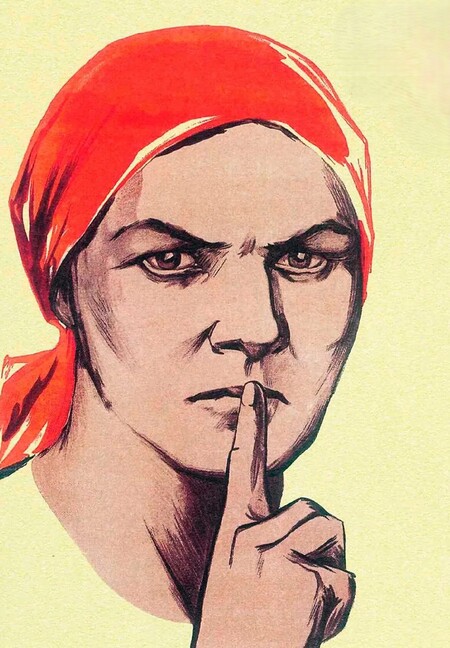
The headwear in a Soviet costume—this is a visual code that is instantly recognized: based on its shape, material, and how it was worn, one could determine the owner’s social status, profession, age, and even personality. These items shaped the silhouette of the Soviet person and constructed their social image.
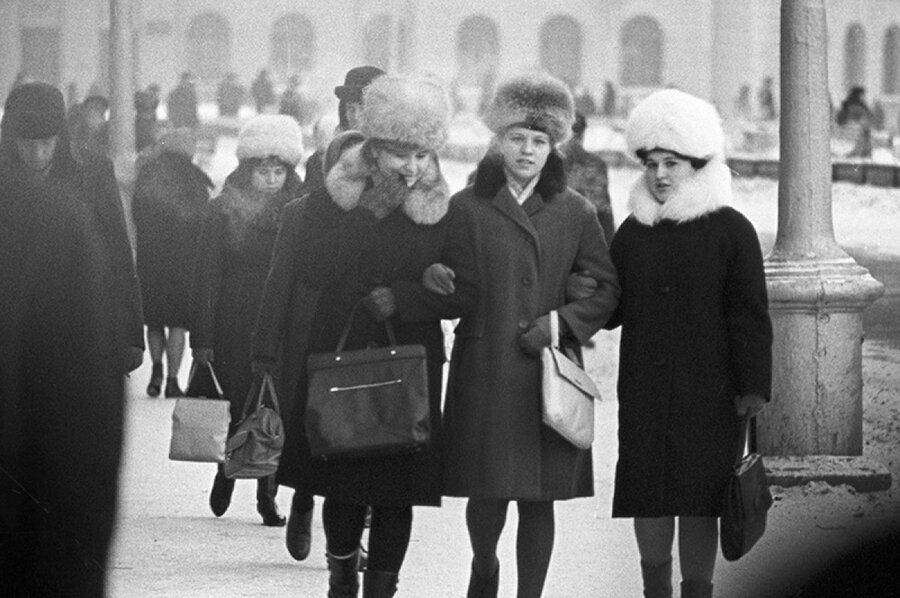
Allsvolod Tarasevich, untitled, 1980s
The selection of this topic is driven by the fact that a head covering sits at the intersection of practicality (protection from the cold) and individuality (the choice of style and method of wearing), making it an ideal object for visual analysis of the compromise between these two principles.
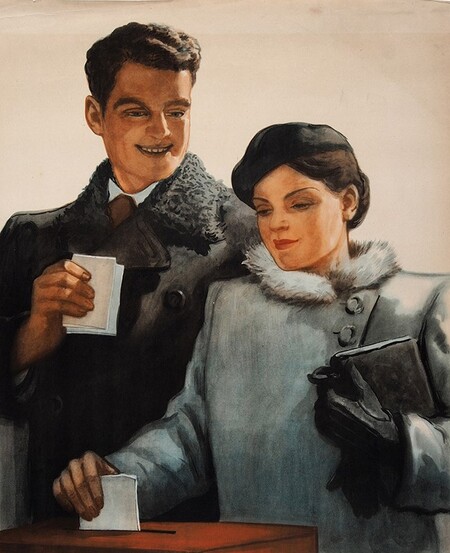
For the visual study, items and images were selected from Soviet art films, archival documents detailing headwear production, museum exhibitions, and publications on Soviet fashion. Selection criteria included chronological scope (from the 1920s to the 1980s), visual representativeness (typical and status examples), and the availability of descriptions that would allow for the reconstruction of the social context. Both men’s and women’s headwear were selected to demonstrate the gender differentiation of visual strategies.
The research is structured around three axes proposed in the theme: form (round, angular, soft), placement (on the forehead, on the nape, to the side), and gender-age code. This categorization allows for the examination of headwear not as an isolated object, but as an element that shapes the silhouette and social image depending on the context of wear.
The core research question is: how did headwear in Soviet attire become a visual compromise between practicality and individuality? The hypothesis suggests that under conditions of scarcity and ideological pressure regarding appearance, the hat served a dual function—it adhered to utilitarian requirements (warmth, durability, compliance with GOST standards) while simultaneously acting as a legal channel for expressing individuality through the choice of material, shape, and fit.
1920s–1930s: Revolutionary Asceticism
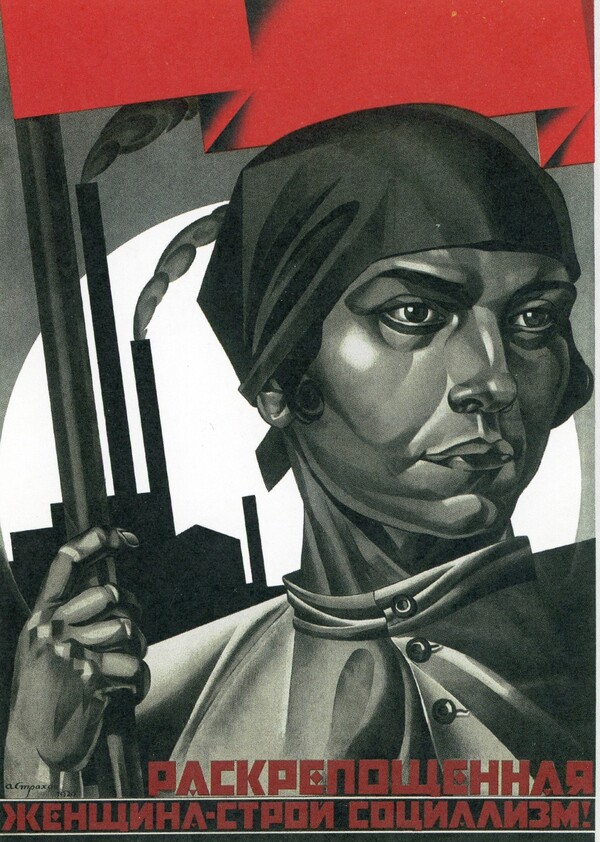
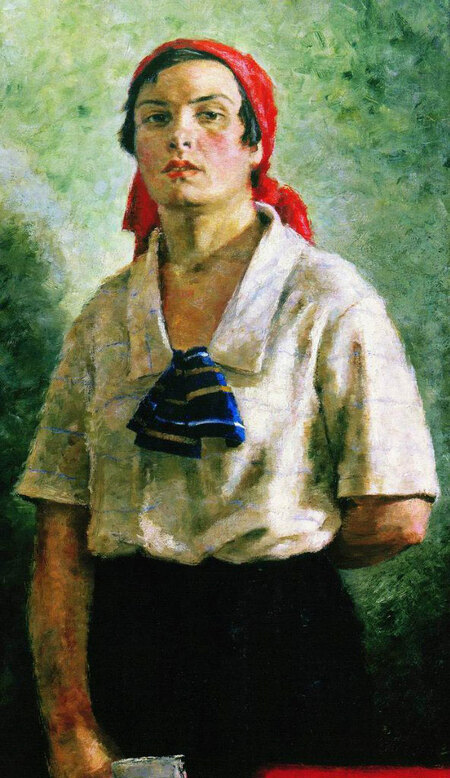
1. Strakhov-Braslavsky, A. I. «The Emancipated Woman» — Build Socialism! 1926 2. «Ryazhsky, ” G. G. Delegate — 1927.
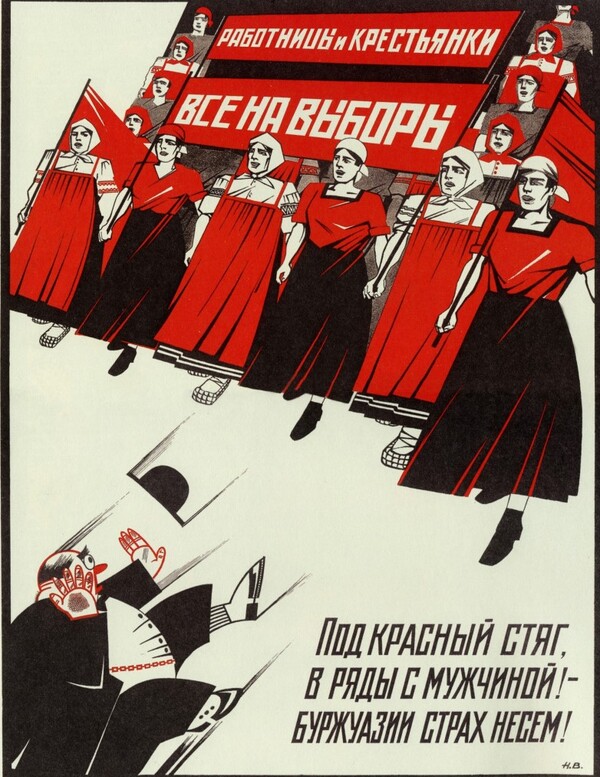
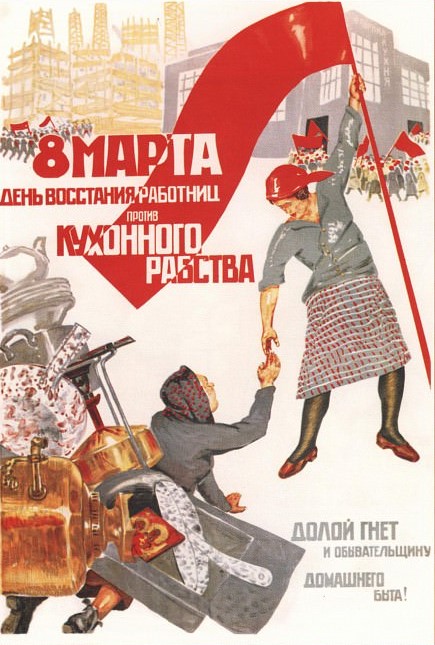
1. «Working Woman and Peasant, Everyone to the Soviets!» by unknown artist. — Moscow, 1925. 2. March 8—Women’s Liberation Day: — Petrograd: Gosizdat, 1920.
In the first post-revolutionary decade, headwear ceased to be merely a wardrobe accessory, transforming into a rigid ideological marker of class affiliation. Removing a hat adorned with feathers, ribbons, or flowers and replacing it with a sleek red kerchief (a kumachoviy scarf) signified a rejection of the «bourgeois past» and «petty-bourgeois mindset.» The manner of tying the scarf held fundamental importance: unlike the peasant style, where the ends of the scarf were knotted under the chin, the new Soviet worker tied the kerchief in a knot at the nape of her neck. This method exposed the neck, securely held the hair (which was critical for working at machinery), and visually constructed a strict, graphic, and composed silhouette of the «comrade in a skirt.»
Factory Workers. A memento photograph, Leonid Shokin, 1930s
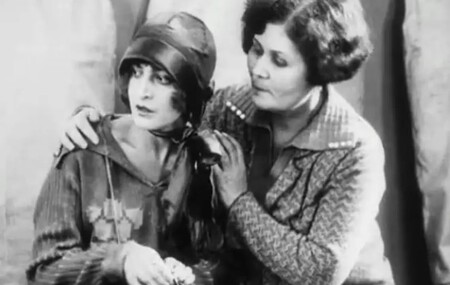
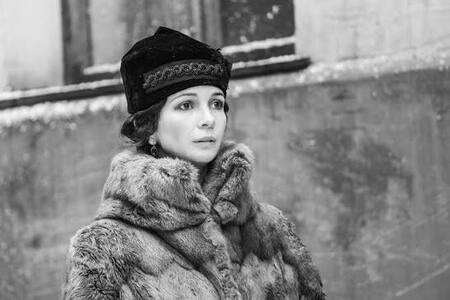
Stills from the film «The Third Bourgeois,» USSR, Russia, 1927
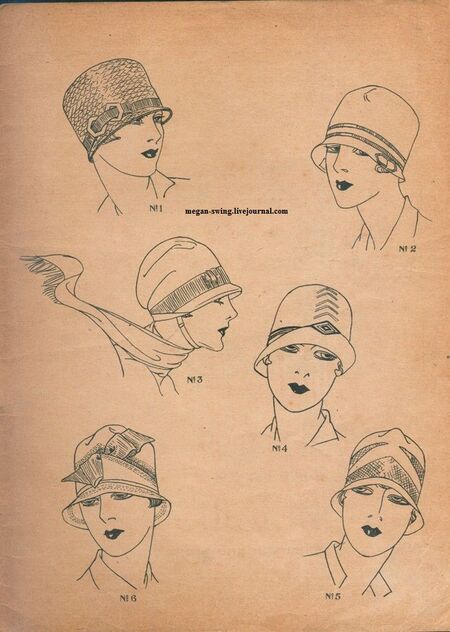
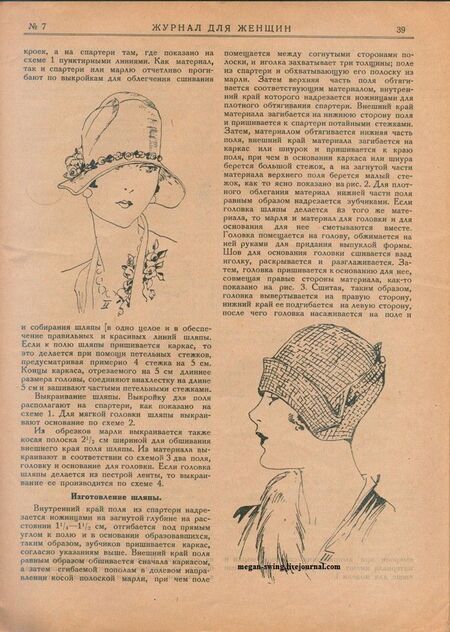
«Latest Fashion» Magazine — Women’s Magazine No. 7, 1928
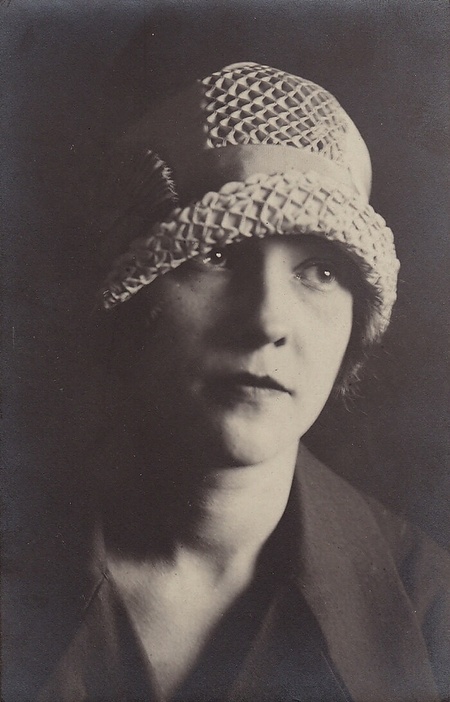
Amid the devastation of the post-war period, the acute scarcity of fabrics, and low living standards, utilitarianism became the only accessible standard. In the daily lives of city and rural women, dense wool scarves, shawls, and simple, hand-knitted cap-like hats predominated. Individuality was minimized here: headwear had to cover the head, ears, and neck as completely as possible to protect against the cold in poorly heated rooms and outdoors. Knitting remained the sole space for self-expression—women would unravel old sweaters and create their own ribbed patterns or combine leftover yarn of various colors to create so-called «striped» or marled hats.
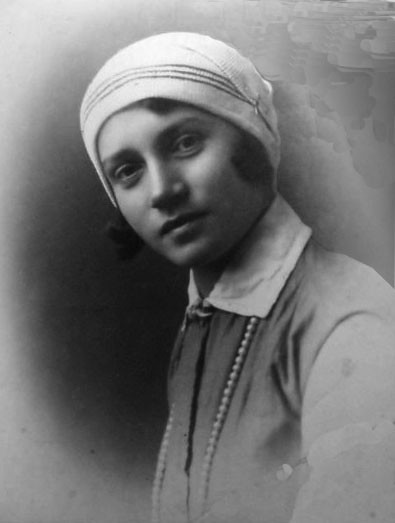
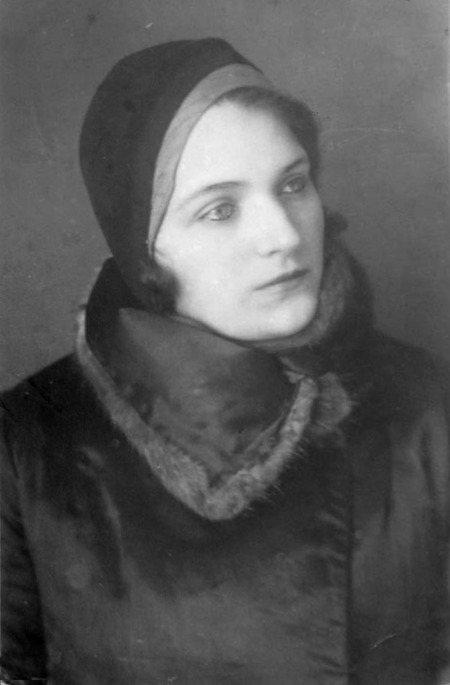
Summer models of berets and hats, «Rabotnitsa» magazine. — 1935.
Summer models of berets and hats, «Rabotnitsa» magazine. — 1935.
By the late 1920s and especially in the 1930s, there was a gradual rehabilitation of femininity and aesthetics in Soviet costume—life had become better, life had become more enjoyable. The felt or knitted beret served as a compromise form, reconciling revolutionary austerity with European chic. The beret had no brim, which stripped it of «bourgeois» connotations, it folded easily into a pocket, and it held well on short haircuts («foxtrot» or «bob»). Furthermore, the way it could be worn opened up vast potential for individuality: a beret tilted over the right eyebrow lent the face a coquettish and modern expression.
2. 1940s–1950s: Post-War Scarcity and «Meningitids»
«Faina Polikarpovna Zakharova with Friends in Liberated Kursk, ” Unknown author, 1943
«Sergey Mikhalkov and Alexander Fadeev,» Sergey Korshunov, 1943
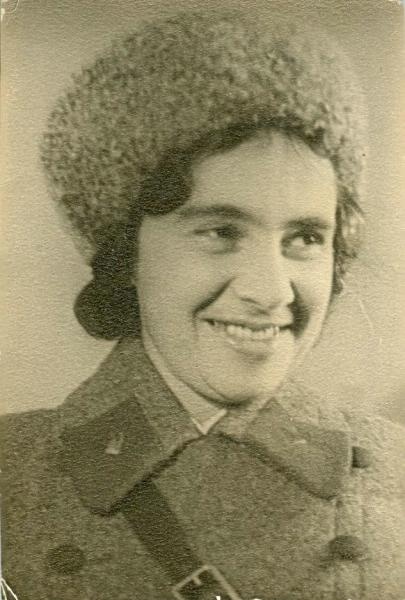
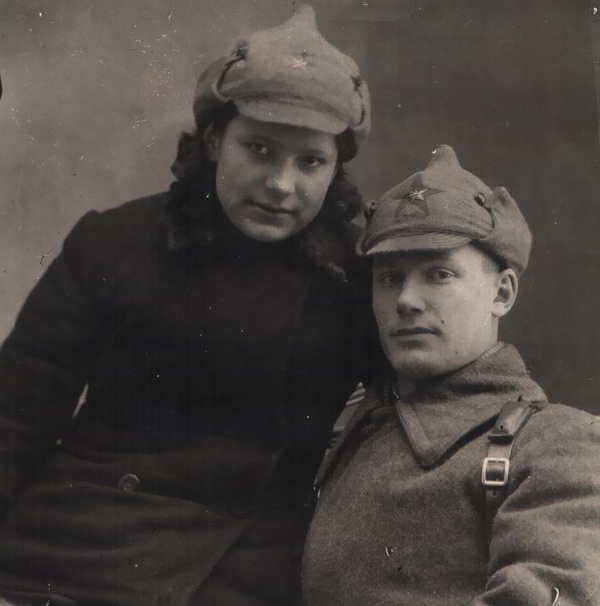
1. Portrait of a young woman in a military uniform, 1942 2. «Nina Maksimovna Isaenkova (Voronina), ” Unknown Artist, 1942
«Sanitary Woman,» Unknown Artist, 1941–1945
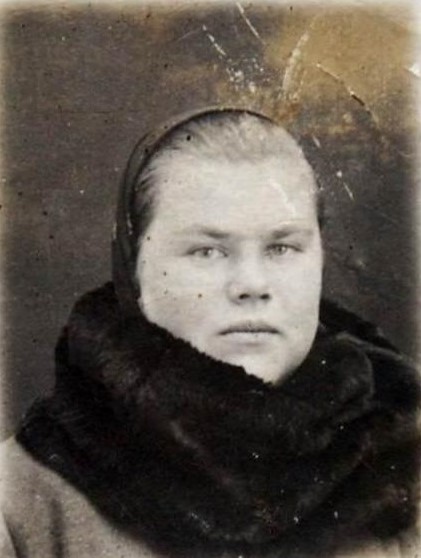
The military and immediate post-war decade returned the women’s suit to severe functionalism. The universal symbols of survival became the vatnik jacket, a coarse wool scarf tied crosswise across the chest, and the men’s ushanka hat made of cheap fur (rabbit, fox, sheepskin) with a cloth top. During this period, gender boundaries in winter headwear were virtually erased: women’s ushankas were cut using the same patterns as military ones, differing only in slightly smaller size. Practicality completely suppressed aesthetics, as the primary objective was maintaining warmth amidst total clothing scarcity.
A scene from the film «The Case in Penkovo,» 1957
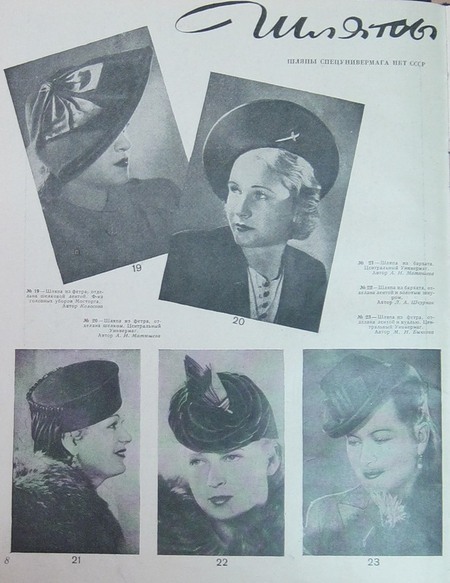
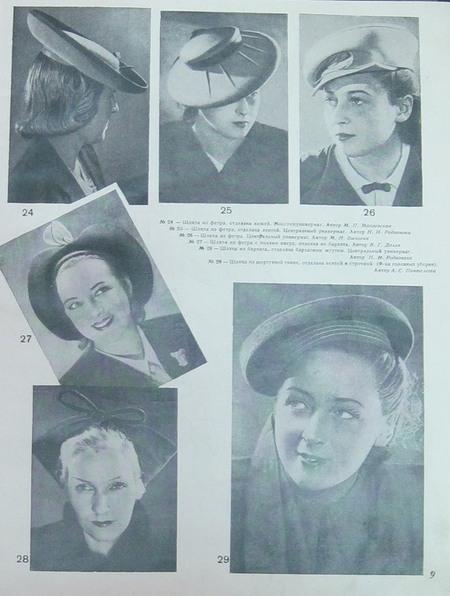
«MODA» Journal, 1950s
Unknown artist, «At the May Day Demonstration, ” 1956
In the 1950s, a clear visual stratification emerged between the «provinces» and the «urban intelligentsia/elite.» The possession of a «pillbox» hat instantly marked a woman as a representative of urban culture—an actress, the wife of a high-ranking military officer, a researcher, or a qualified civil servant.
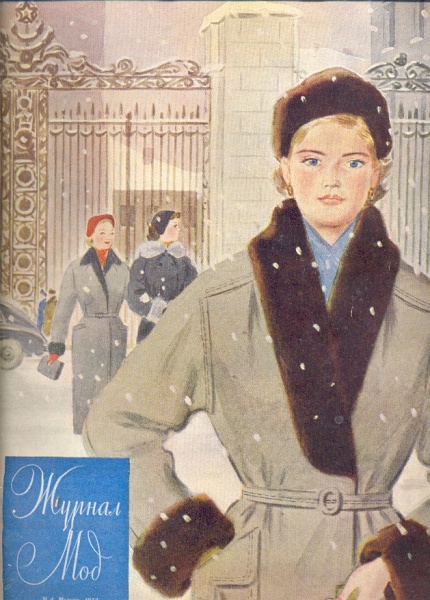
Because industry produced these models in extremely small batches, they were custom-made at specialized millinery workshops or by private modifiers.
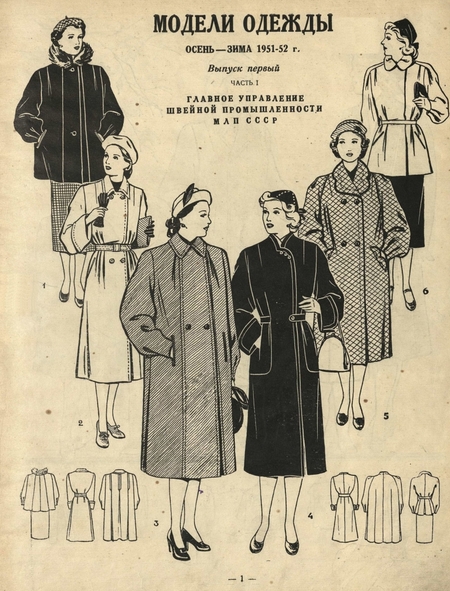
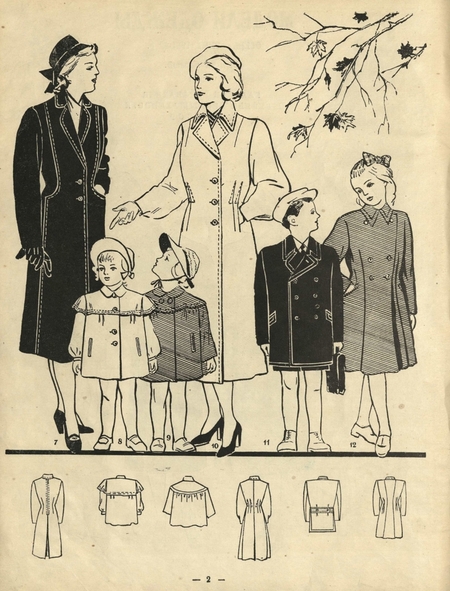
Journal, «Fashion Models» (Fall-Winter), 1951
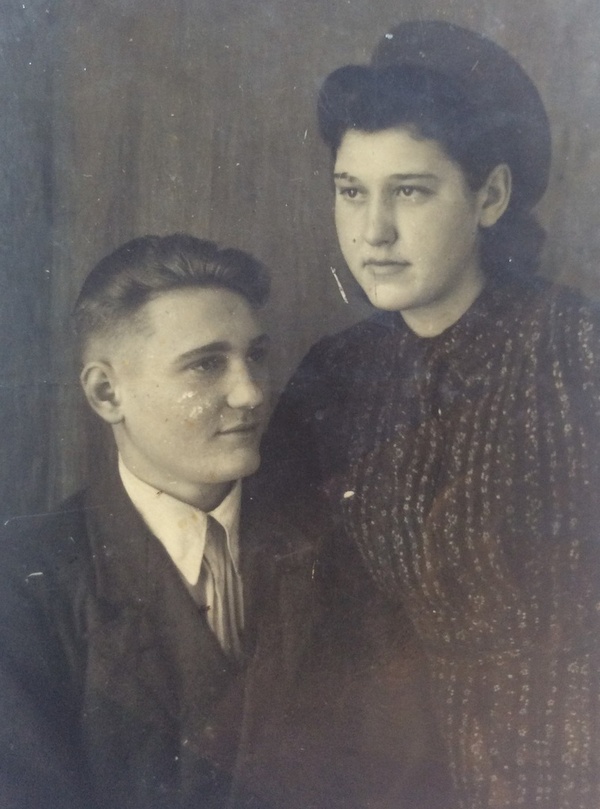
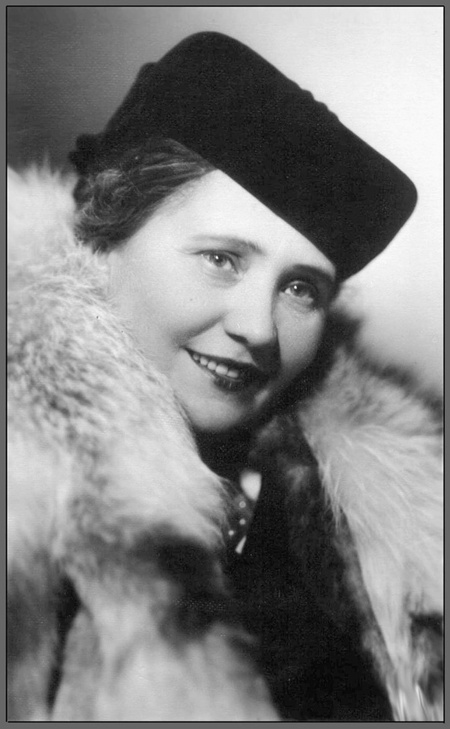
Unknown artist, «Elizaveta Grigorievna Faradzeva, ” 1956 Unknown artist, „Mikhail Konstantinovich Tolkachev with his wife Lidiya, ” 1956
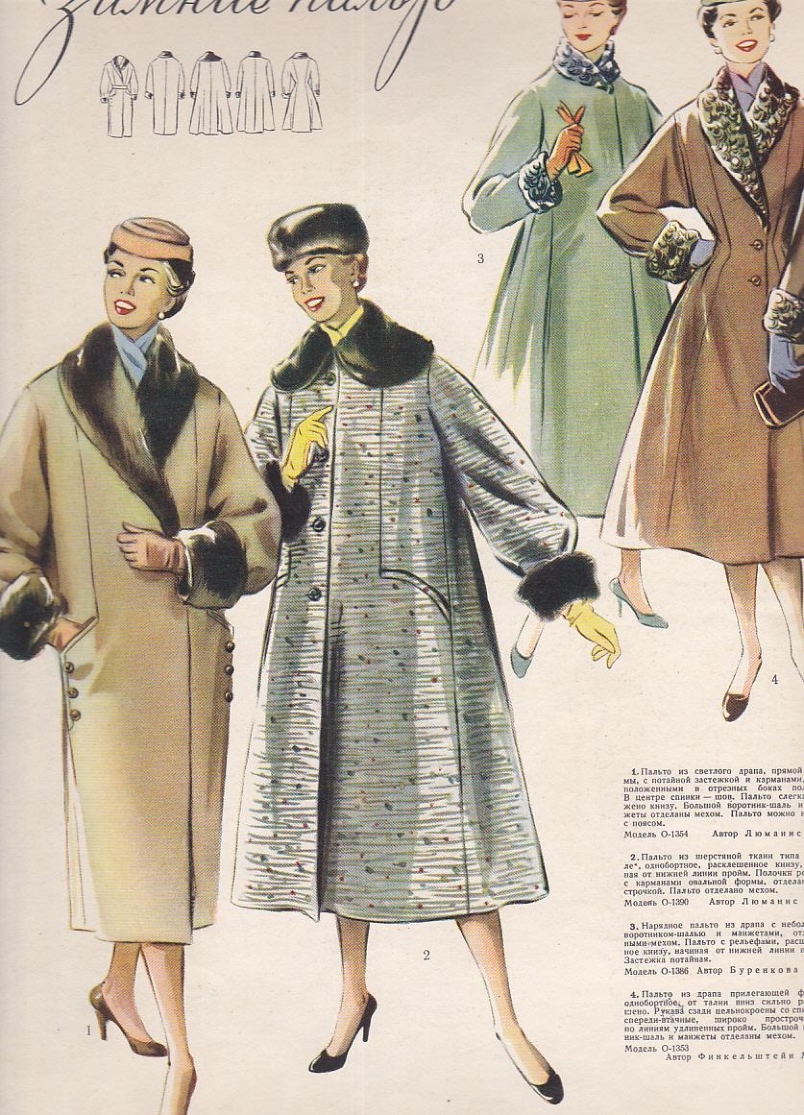
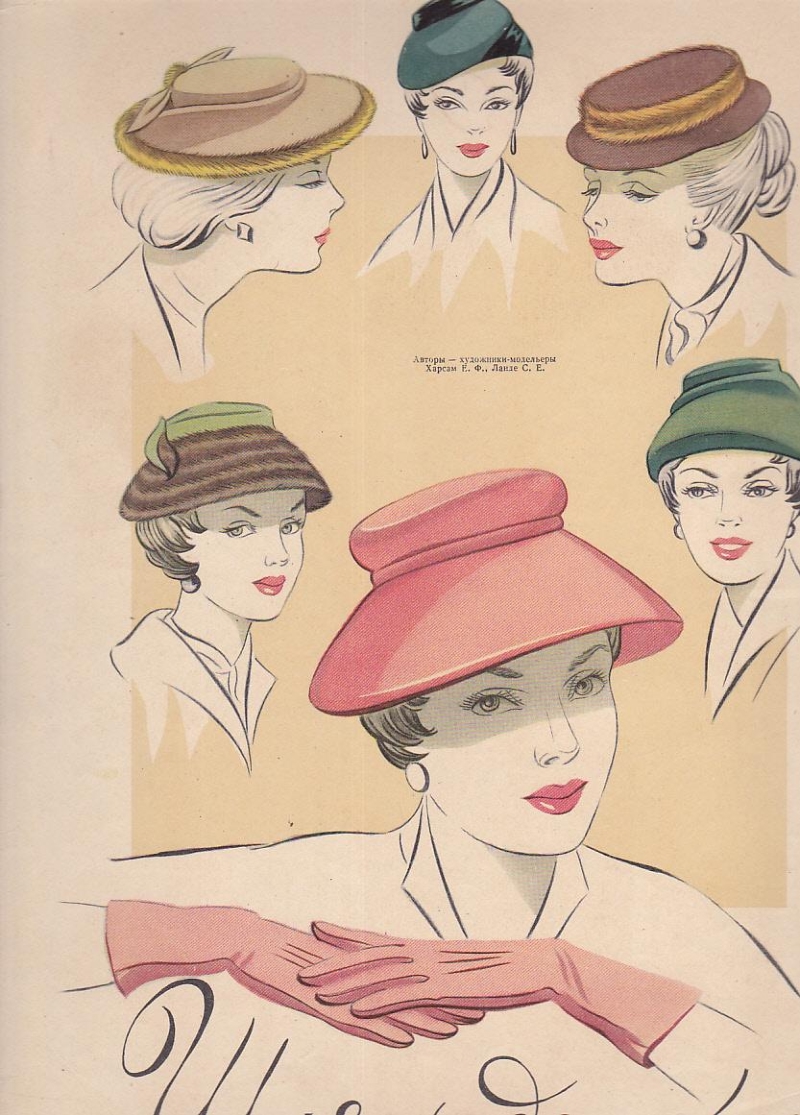
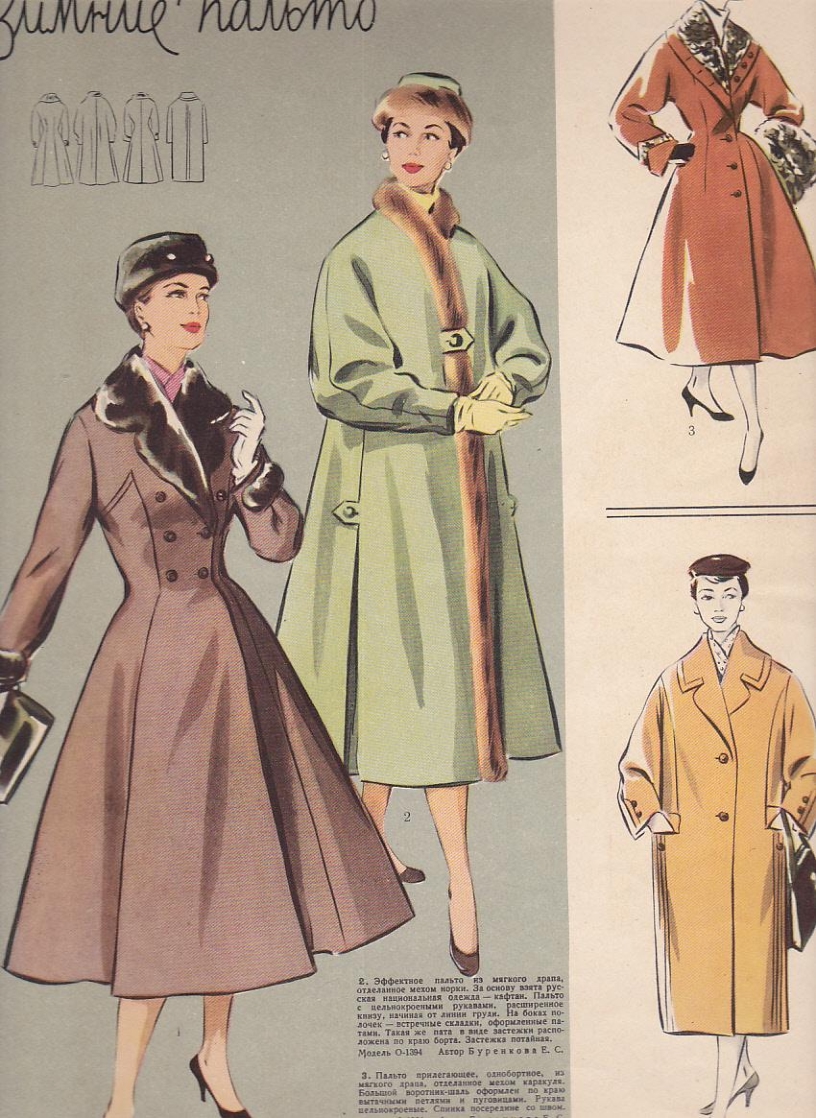
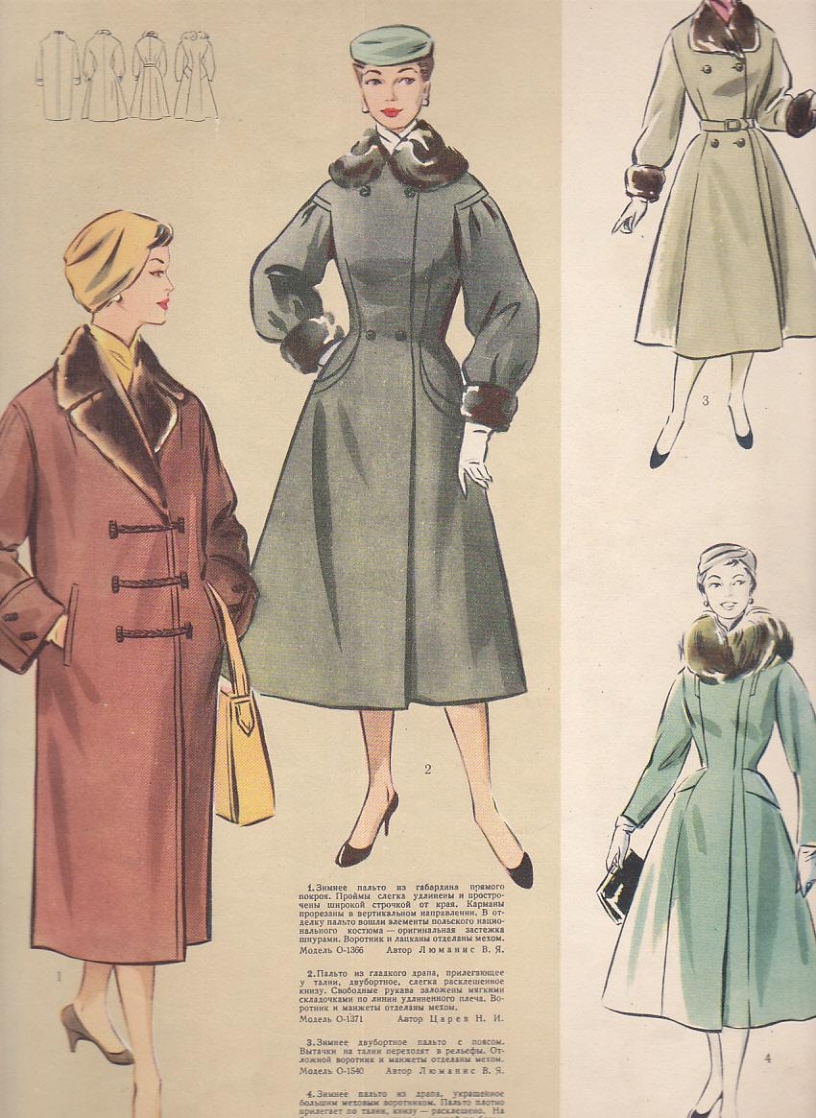
1958 (Winter) — «Fashion Album,» Leningrad, 1958