ARCHITECTURAL AND SPATIAL SOLUTION FOR ORGANIZING THE PASCHAL FAIR IN THE CITY OF REMSCHAID
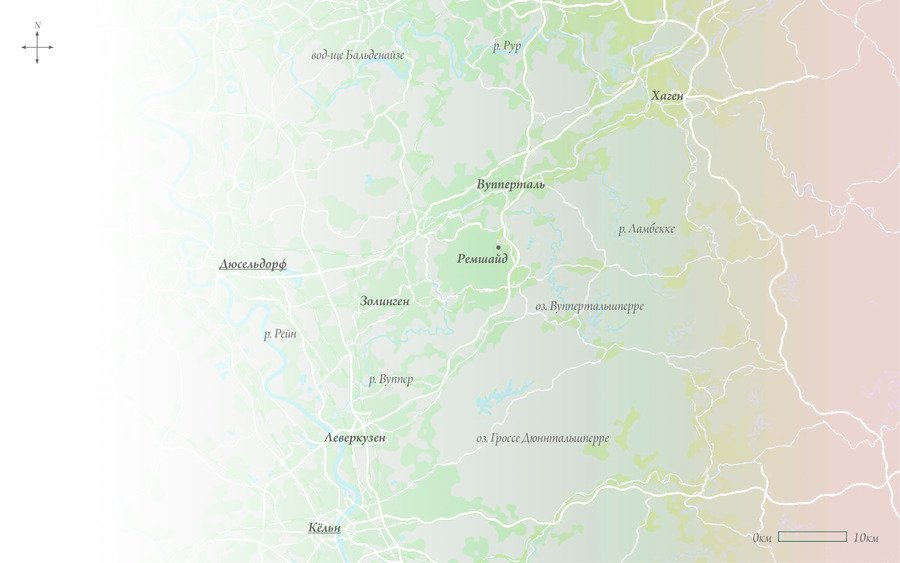
Design Location // Ramshead // Germany
Remshaid is a city in western Germany, located in the federal state of North Rhine-Westphalia. It is situated in the Bergisches Land region.
One of the oldest districts of Remshaid is Lennep. It was formerly an independent town but eventually became part of Remshaid.
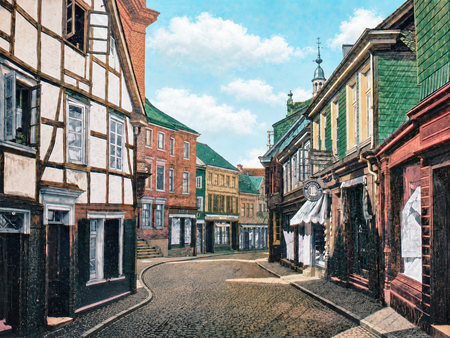
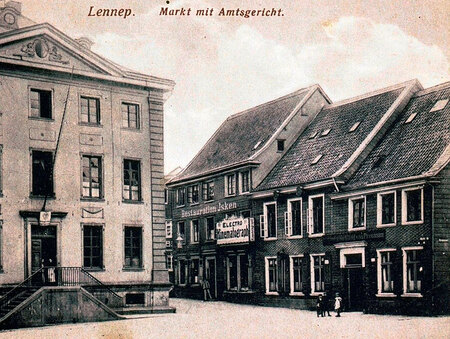
Lennep is famous for its beautifully preserved historic center with traditional half-timbered houses.
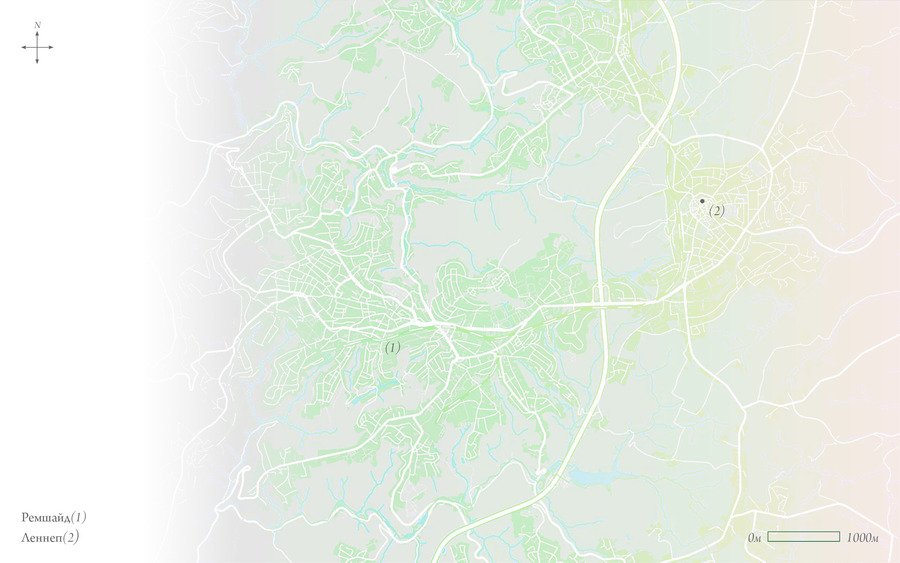
Situational Plan // Remsheid // Lennep // Germany
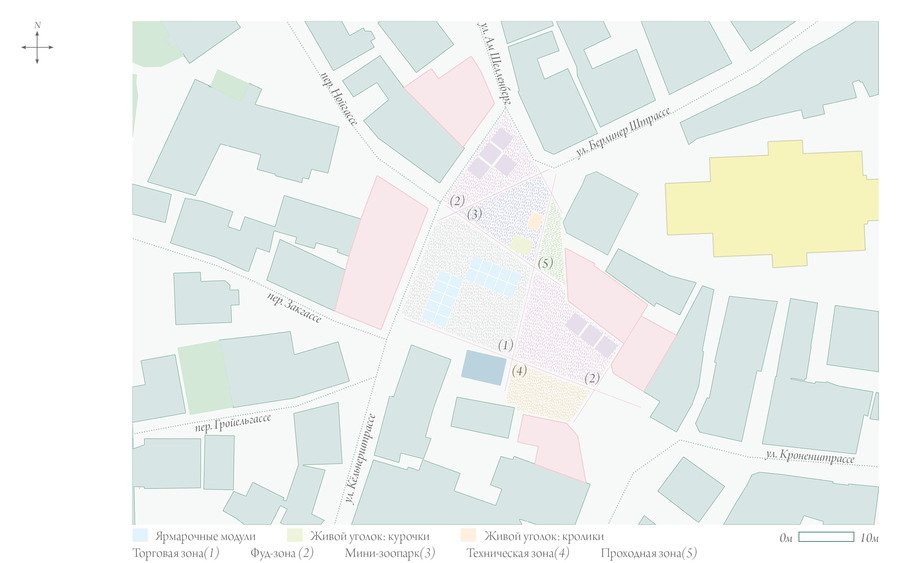
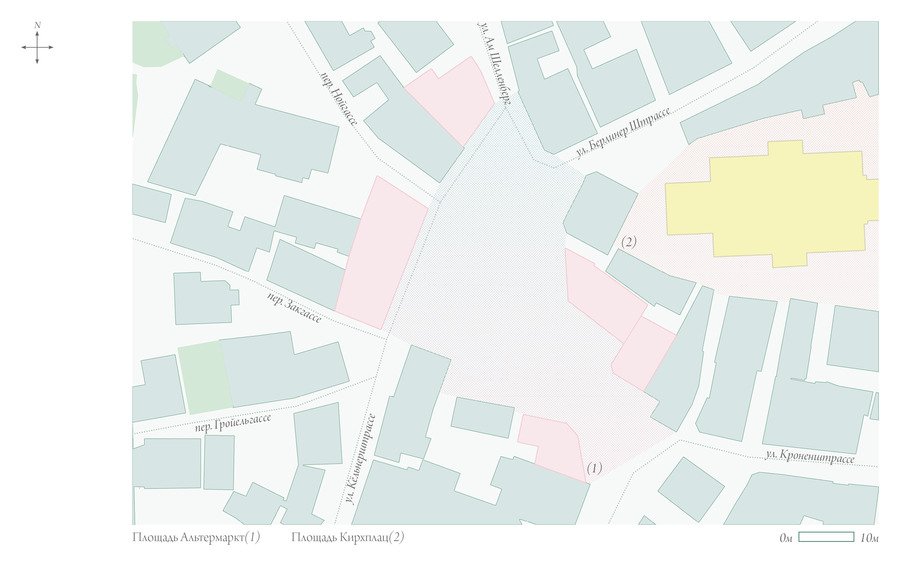
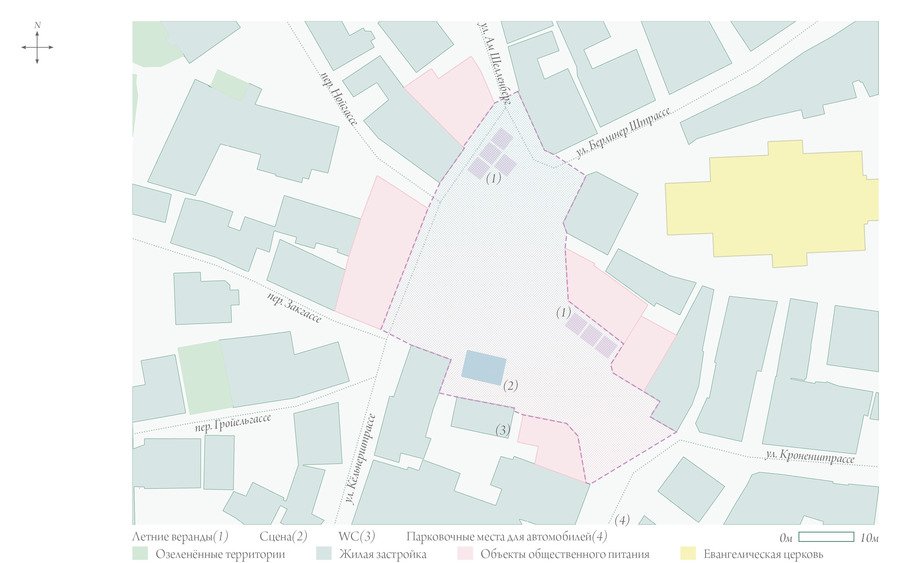
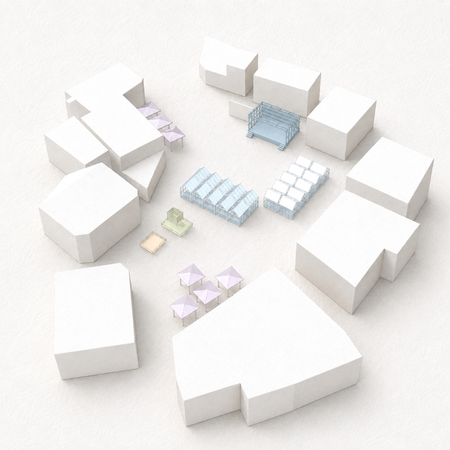
In the old fair tradition, the rows were linear groupings of vendor stalls arranged:
— along streets, around the perimeter of the market square, or on temporary streets set up specifically for the fair.
— in distinct blocks separated by aisles measuring 2–4 m wide.
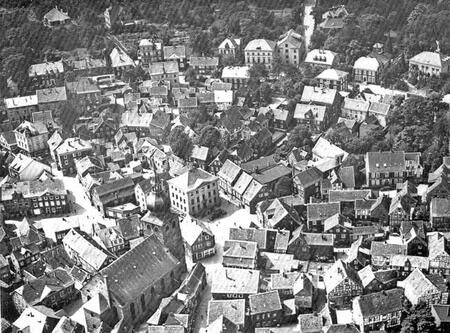
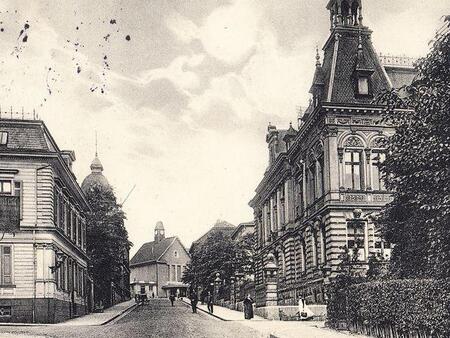
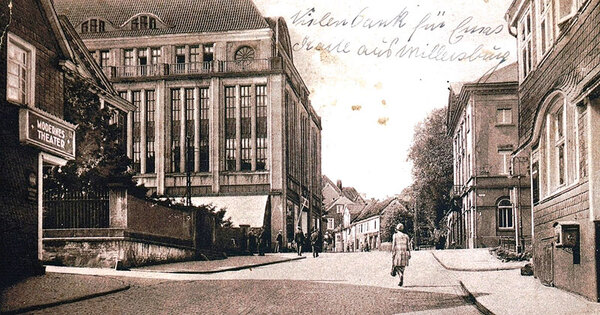
Lennep, Historic Center, 1929 // Lennep, Bahnhofstrasse, 1913
Color Palette and Materiality Options for the Structure
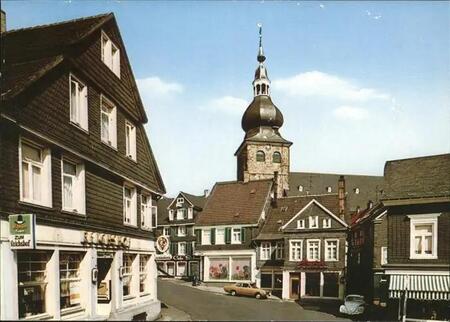
The roof is made of polycarbonate—visually lightening the structure and adding a modern accent. Green shutters are a traditional element of half-timbered architecture in the Bergisches Land region. Bare wood references the historical buildings in their original, untreated state. Black frames are a traditional element of half-timbered architecture in the Bergisches Land region.
Variability in the infill of the half-timbered structure
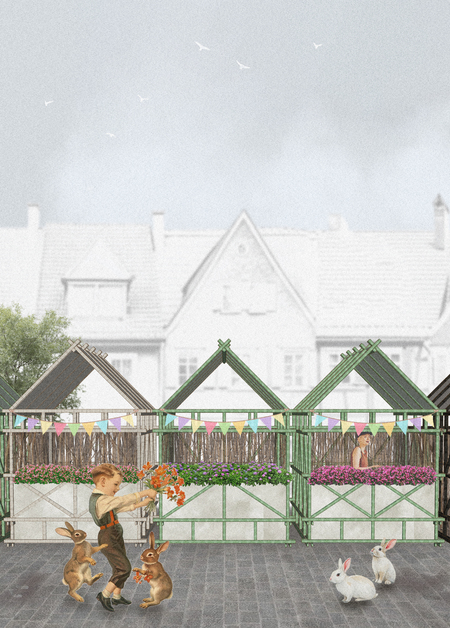
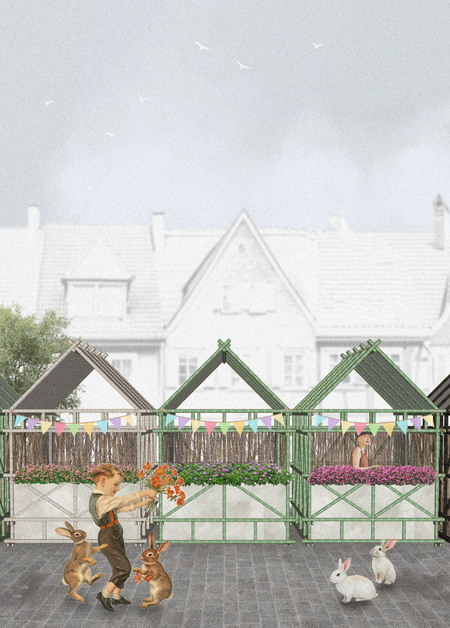
The half-timbered structure serves as a universal framework.Its interior fill can change depending on the theme and nature of the fair: wood, straw, plant materials, textiles, and other elements can be used.This principle allows for the preservation of a unified architectural aesthetic across the market rows while simultaneously adapting their decoration to different events and seasons.
Exhibition Module // Architectural Solution
Aviary Module // Architectural Design
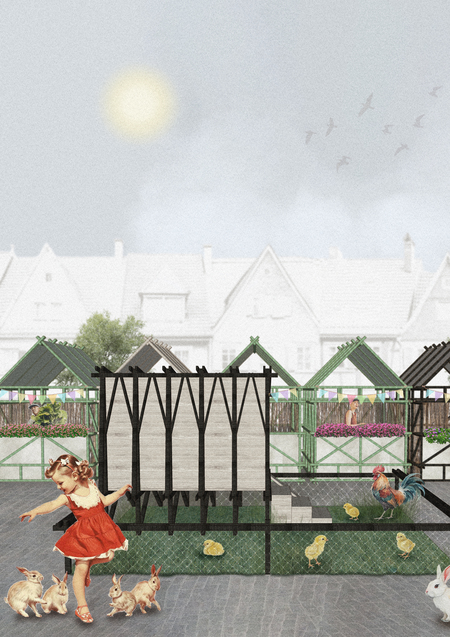
Long ago, in a northern land, people would welcome the spring by adorning trees with bright ribbons and painted eggs—symbols of life and renewal. A particular tree in the center of the village held special significance: families would gather there, sing, decorate its branches, and make wishes. They believed that if you hung an egg with a kind heart, spring would bring joy and hope.
With the arrival of Christianity, the tradition endured: the egg became a symbol of resurrection, and the tree, a sign of new life. Thus, the Easter Tree was born—a luminous, springtime image that unites people in celebration, reminding them that spring always follows winter.
This very legend became the basis for the concept of the fair module. The half-timbered structure serves as the framework, while its infill is composed of interwoven branches, referencing the image of the Easter tree—a symbol of spring, renewal, and new life.