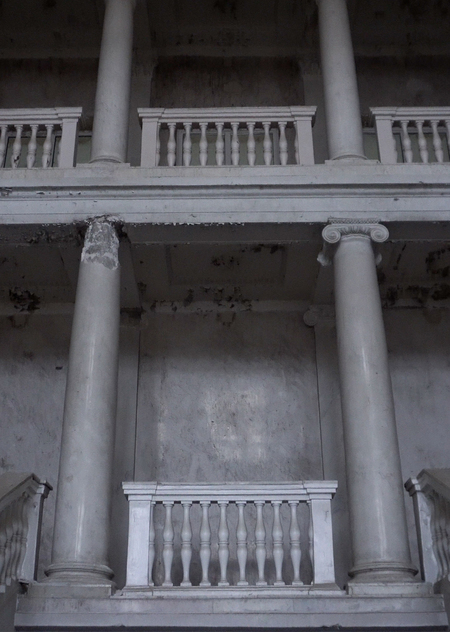
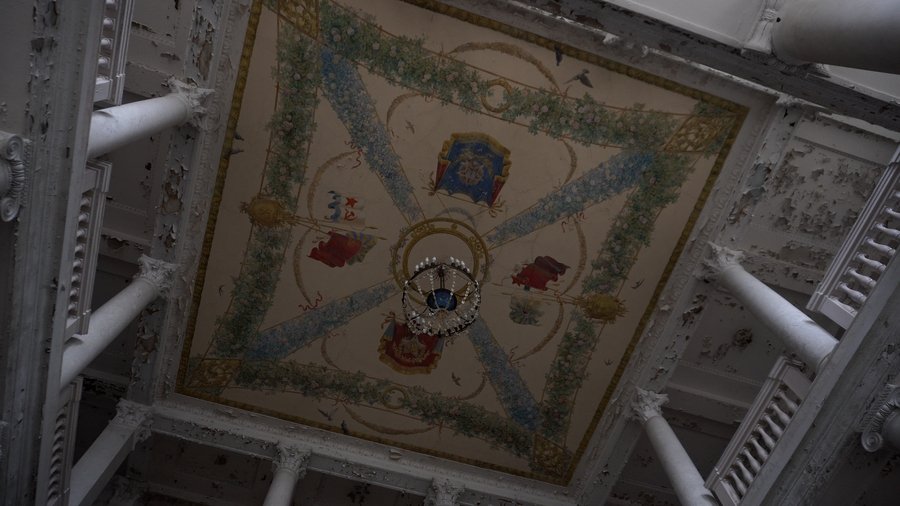
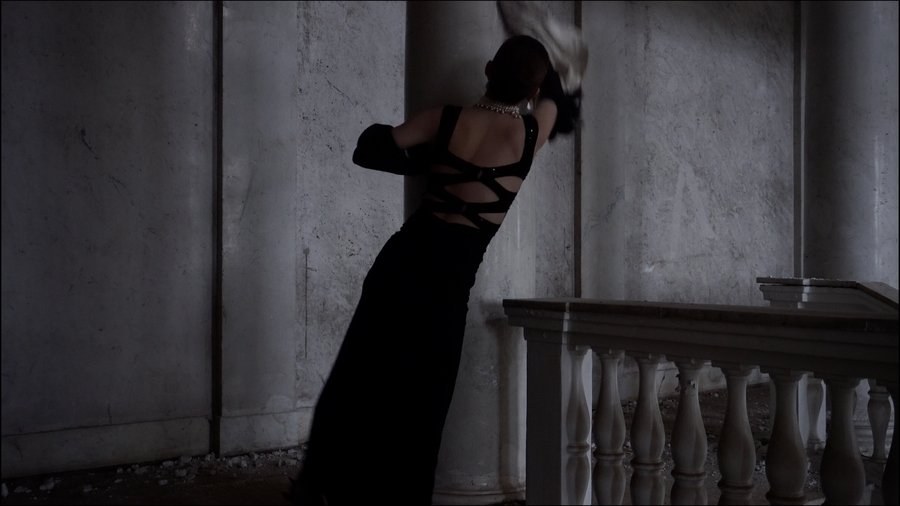
Перформанс строится на мытье колонны в заброшенной усадьбе, выстраивается ситуация встречи автономного знака памяти и телесного жеста заботы без перспективы завершения.
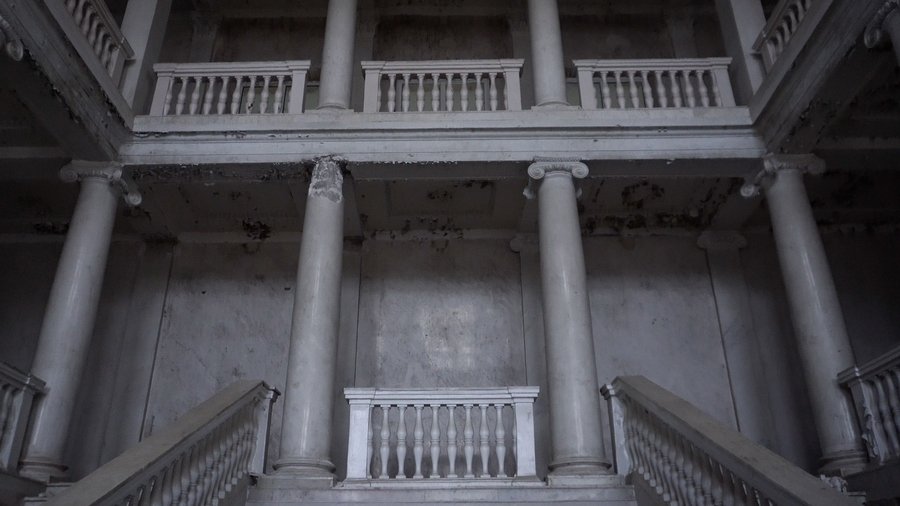
Колонна здесь выступает как сконцентрированная вертикаль истории, отделенная от функции и превращенная в архив культурных напряжений.
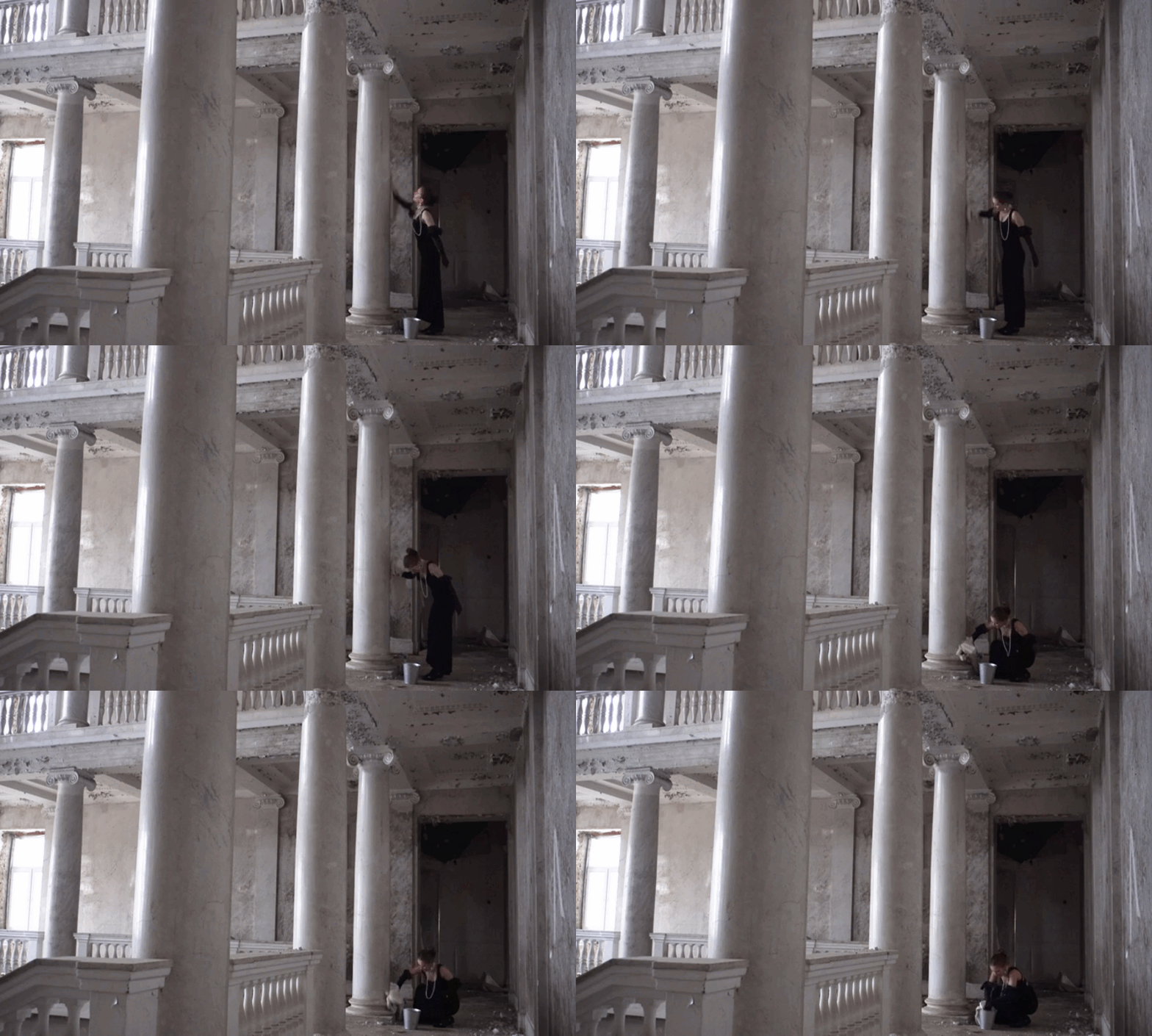
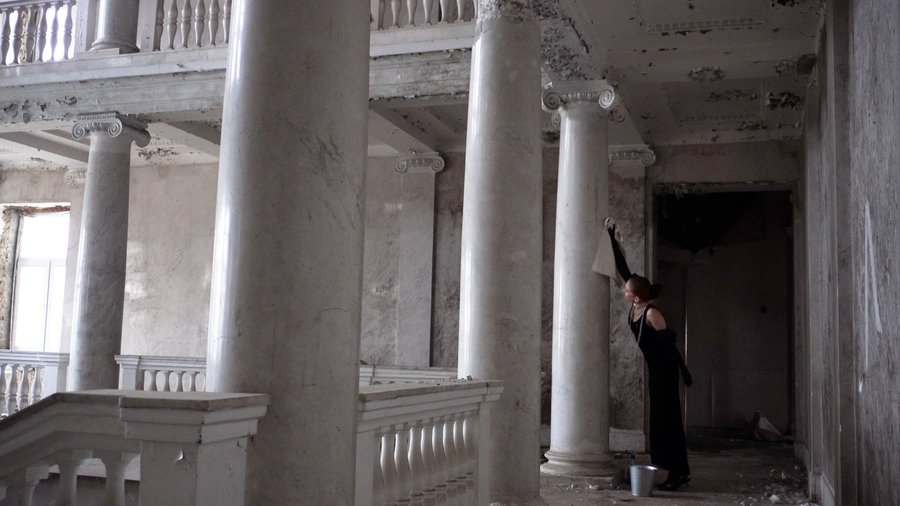
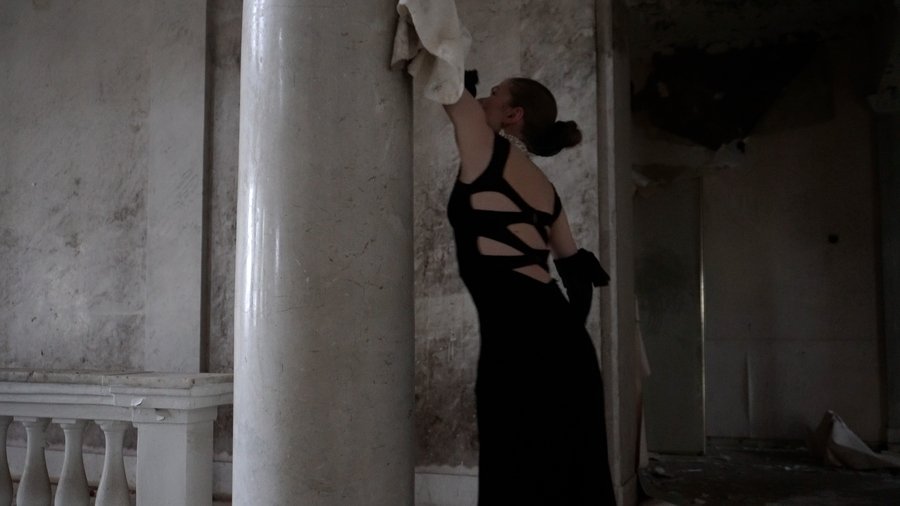
Вечернее платье вводит тело в режим публичной репрезентации, эстетика торжественности совпадает с изнуряющей повторяемостью бытового действия. Мытье ограничено длиной вытянутой руки, что переводит очищение в демонстрации человеческой конечности. Колонна не очищается окончательно и включается в режим присутствия только через прикосновение и повтор, потому само действие — проживание невозможности окончательного очищения.
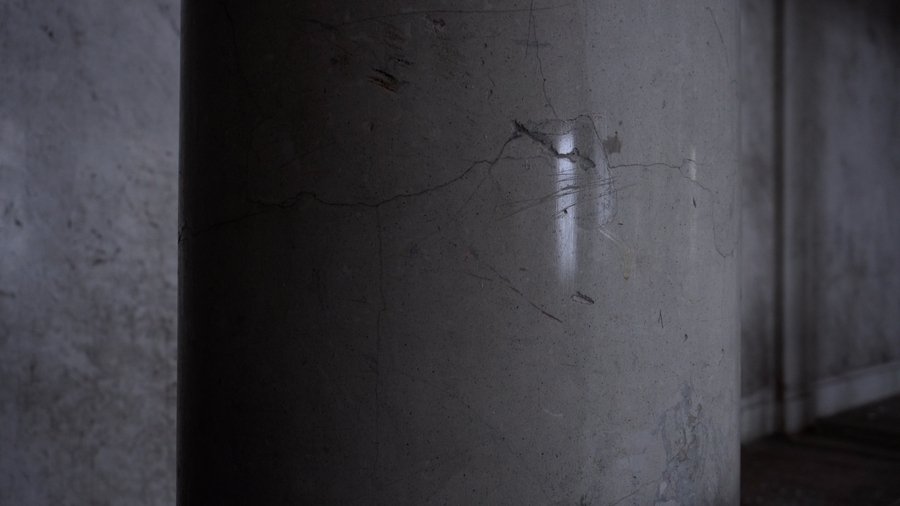
Образ самодостаточной колонны в искусстве Северного Ренессанса формируется как носитель автономного смысла. В культурном воображении эпохи колонна осмысляется как концентрат памяти, в котором переплетаются античное наследие и визуальный опыт Средневековья. Ее отдельное, изолированное присутствие в пространстве переводит форму в сферу знака. Этот образ становится фигурой культурного перехода.
Жест мытья предстает как язык, соединяющий заботу, истощение и невозможность окончательного очищения в условиях постмодерна.
Повседневный труд переводится в область ритуального и становится способом фиксации исторического и личного опыта, превращаясь в акт деконструкции, где очищение утрачивает возможность завершения и оборачивается абсурдным механическим действием.
Тизер перфоманса
Длительность: 1 ′ 2 ″
Документация перфоманса
Длительность: 8 ′ 11 ″
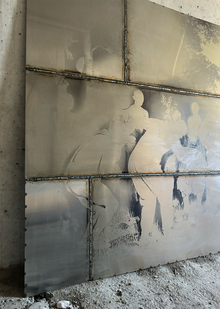
Вариант инсталлированиия