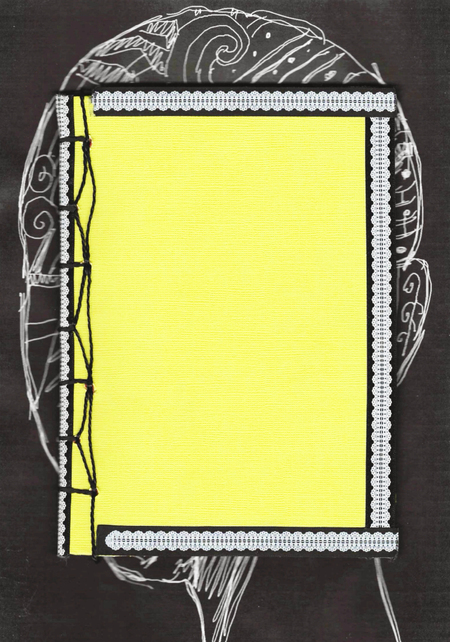
The tattoo on the face is a phenomenon that is often criticized. Stereotyped thinking about patterns on the hidden part of the human body did not emerge immediately, but after a long process of historical metamorphosis and cultural apropriation. Zina explores ways to change the perception of tattoos on the face from one side to another through history and ethnography.
In my zin, the text is the key. It consists of a historical background and a conclusion analysing the impact of the past on the meaning and treatment of tattoos now.
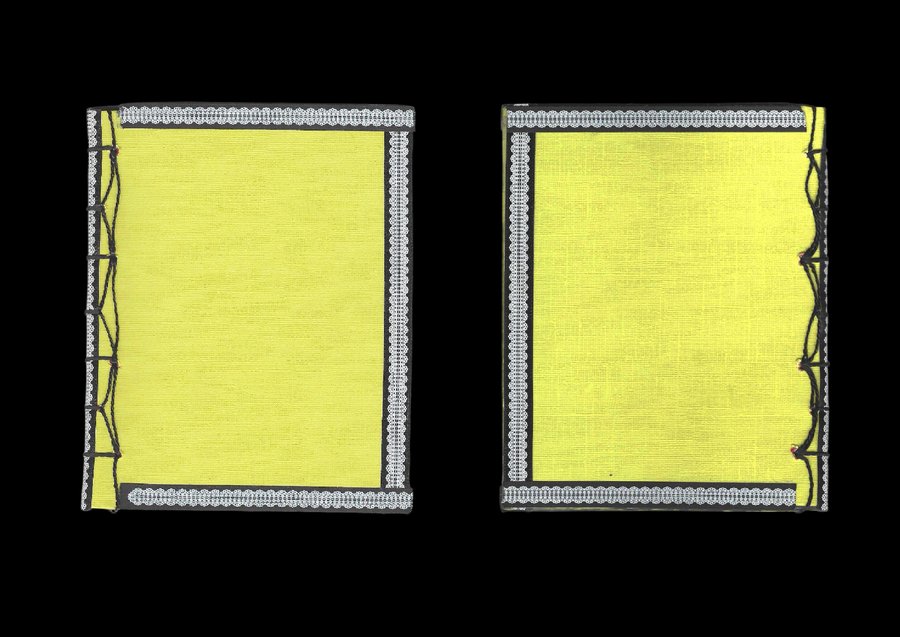
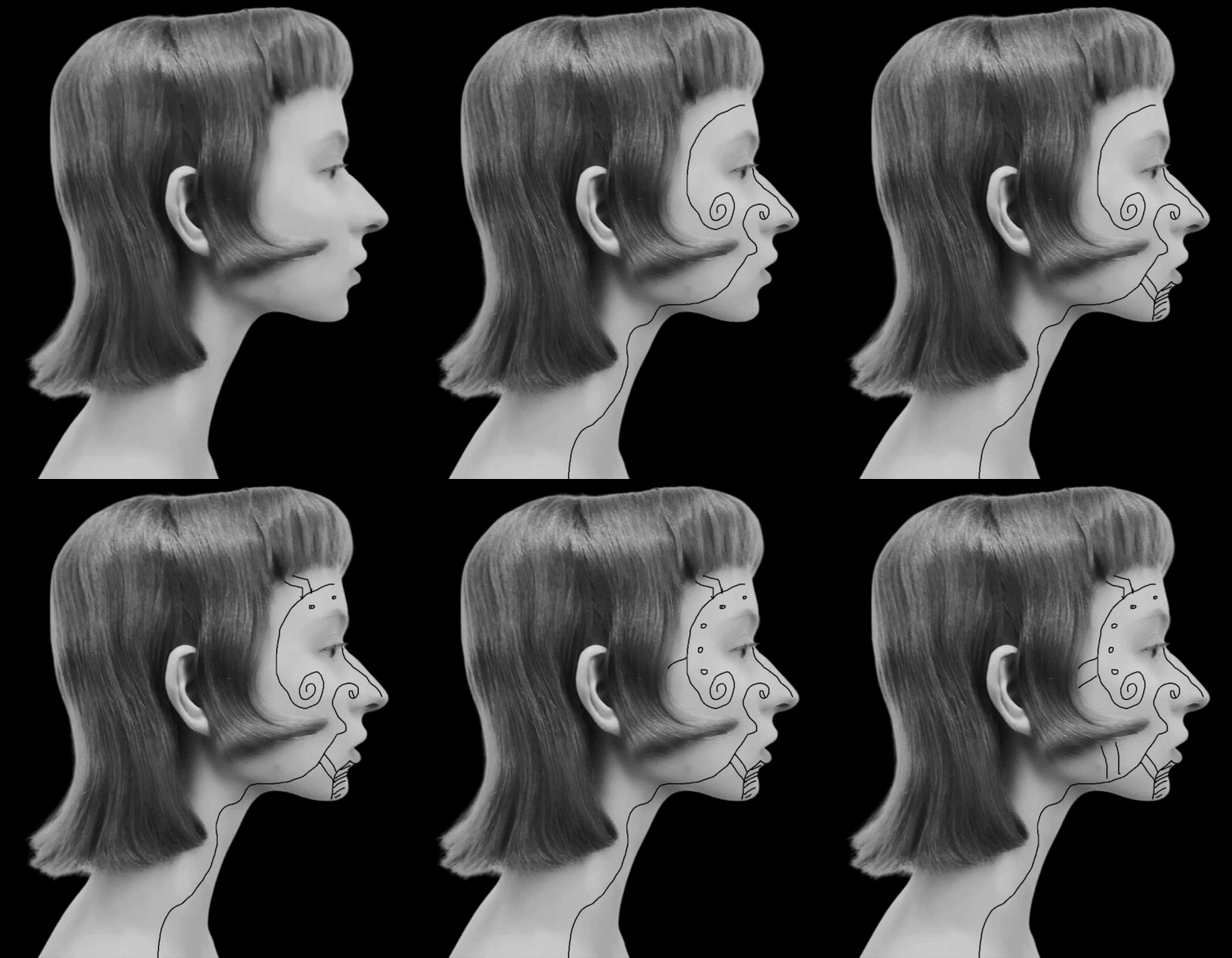
Zin is fully executed and handmade to convey tradition, and every tattoo is filled with hands. A collage technique is used that connects modern photographs and photographs of ethnic groups, patterns and manuscripts painted on top of collages. The black and white palette represents the ink.