ДОМАШНИЙ ТЕАТР: ТЕНИ
Короткий курс
A practical course in creating a shadow play: light, silhouette, screen, movement, and spatial composition.
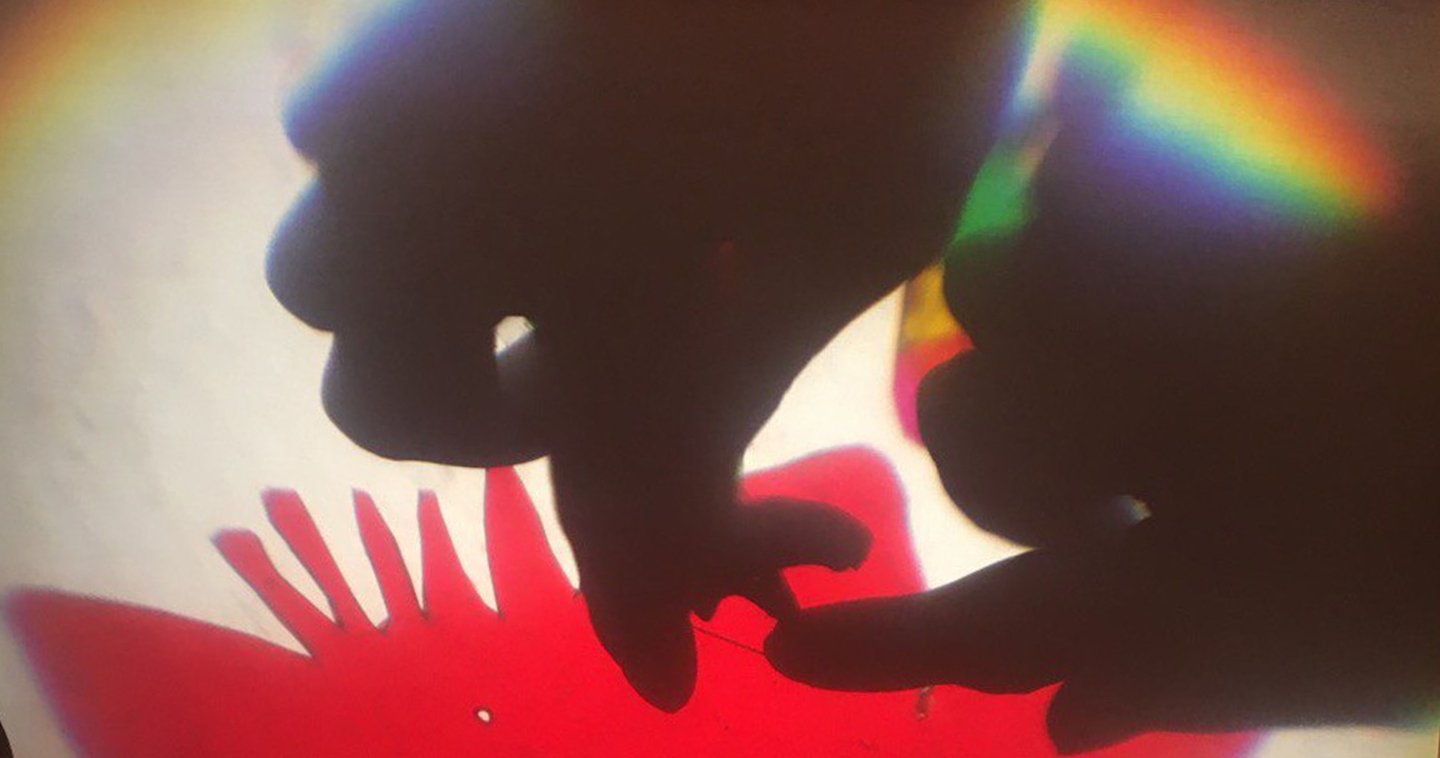
In shadow theater, an image is created through the interaction of light, object, and screen. The same silhouette can change in size, sharpness, transparency, and the nature of its movement depending on the light source’s position and the distance from the screen. This course is dedicated to these expressive possibilities. Students learn to create characters and set designs for shadow theater, work with light and screen, build the visual space, and transform a sequence of shadows into a short performance.
What do we study?
The core of the course is the language of shadow theater: silhouette, scale, contrast, transparency, color, sharpness, distance, and movement. Students explore how a physical object transforms into an image on a screen and how light can alter its form and perception. A dedicated module focuses on creating characters and sets from paper, cardboard, fabric, film, and other materials. These elements are then integrated into stage compositions: the student constructs a sequence of frames, movements, transitions, and lighting states. The final stage is the creation of a short shadow performance, where the image, movement, text, music, and sound work together as a unified production.
Who is this course for?
— Parents who want to create home performances with their children; — Educators and facilitators of creative classes; — Artists and designers; — Beginner puppeteers and performers; — Those who wish to explore light and object theater; — Those already familiar with puppetry who want to master another theatrical form.The course does not require specific knowledge to take
Online course with practical assignments.
Duration: 8 weeks
Upon completion of the course, students will be able to: adapt narratives for shadow theater; — Create expressive silhouettes of characters and objects; — Select materials based on their transparency, density, and ability to cast shadows; — Work with light sources and screens; — Generate movement for characters and objects within the frame; — Alter the space and scale of the imagery; — Develop sequences of scenes and transitions; synchronize the visuals with sound, music, and text; — Design the lighting dramaturgy for the performance; — Adapt the production for various home spaces; — Independently stage and record a short shadow play.
Course Curriculum
Language of Shadow Theater What we study The history and fundamental forms of shadow theater. How the «light—object—screen» system operates. Silhouette, contrast, scale, distance, and the direction of light as primary expressive tools. Practice A series of simple experiments using a light source, objects, and a screen. Outcome A collection of basic techniques for working with shadow.Silhouette and Character What we study How to create a recognizable character through silhouette. Proportions, characteristic details, plasticity, and movement. Working with flat and movable silhouettes. Practice Developing characters for a performance. Outcome Character silhouettes and the principles of their movement.Materials and Transparency What we study Paper, cardboard, fabric, tracing paper, film, plastic, and other materials. How material density and transparency affect the image. Colored shadow, translucency, overlapping layers, and blending images. Practice Experiments with different materials in front of a light source. Outcome The material palette of the performance and a set of visual effects.Light and Scale What we study The distance between the light source, the object, and the screen. How to change the size and sharpness of the image. Light direction, multiple sources, contrast, and transitions between light states. Practice Creating a single scene in multiple scales and lighting conditions. Outcome A system for working with scale and light.
Image Space What we study Foreground and background, depth, silhouette layering, movement between planes. How to create a sense of space within a flat screen. Working with sets and multiple image layers. Practice Creating a multi-layered scene. Outcome The stage space of a shadow play.Movement and Transformation What we study How to create movement in shadow theater: silhouette shifting, rotation, appearance and disappearance, scale change, transitioning between forms. How movement influences the perception of time and action. Practice Developing a movement sequence for a single scene. Outcome A script for the movement of characters and objects.Playwriting for the Performance What we study How to build a story through a sequence of images. Scene changes, pauses, transitions, climax, and finale. How to connect action, light, and image changes with text and music. Practice Creating a storyboard for the performance. Outcome A complete sequence of scenes.Sound and Lighting Dramaturgy What we study The role of voice, music, ambient sounds, and sound effects. Synchronizing sound with the appearance of characters, movement, and image changes. Light as a means of creating atmosphere and transitions between scenes. Practice Developing a sound and lighting script. Outcome A lighting and sound score.Staging and Recording What we study How to combine characters, sets, light, movement, sound, and text. Organizing the home stage and working with the camera. Specifics of filming shadow theater: camera positioning, framing, screen visibility, and image quality. Practice Rehearsal and recording of individual scenes. Outcome A compiled production lasting 5–10 minutes.Final Showcase What we study Preparing the performance for presentation or video capture. Checking the sequence of scenes, light, sound, character placement, and the production’s pacing. Practice Final performance and recording of the play. Outcome A finished video performance.