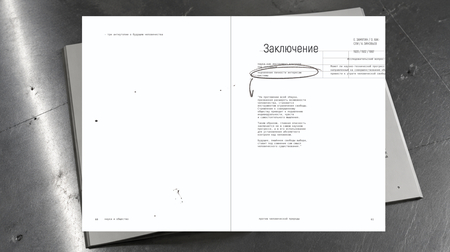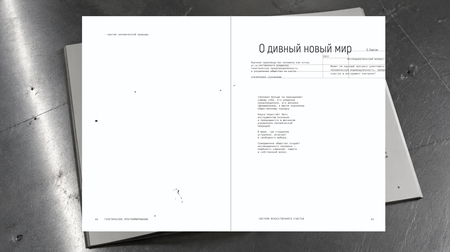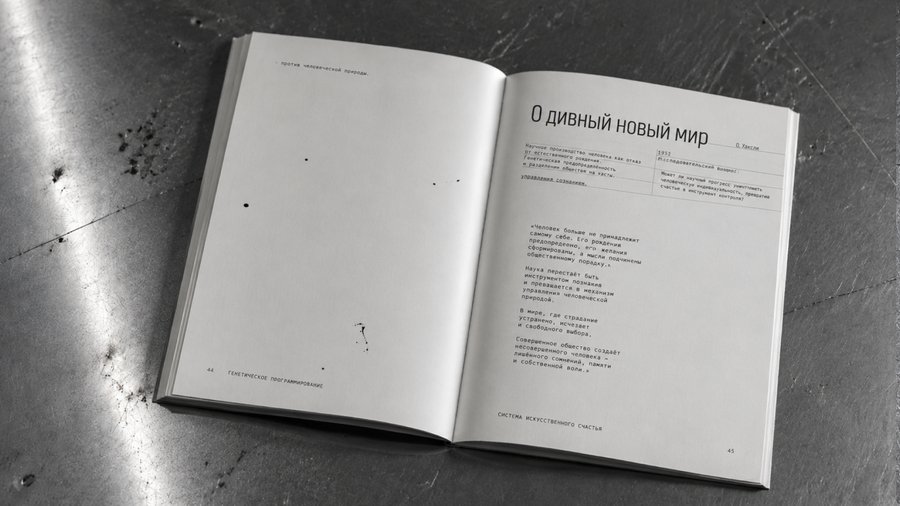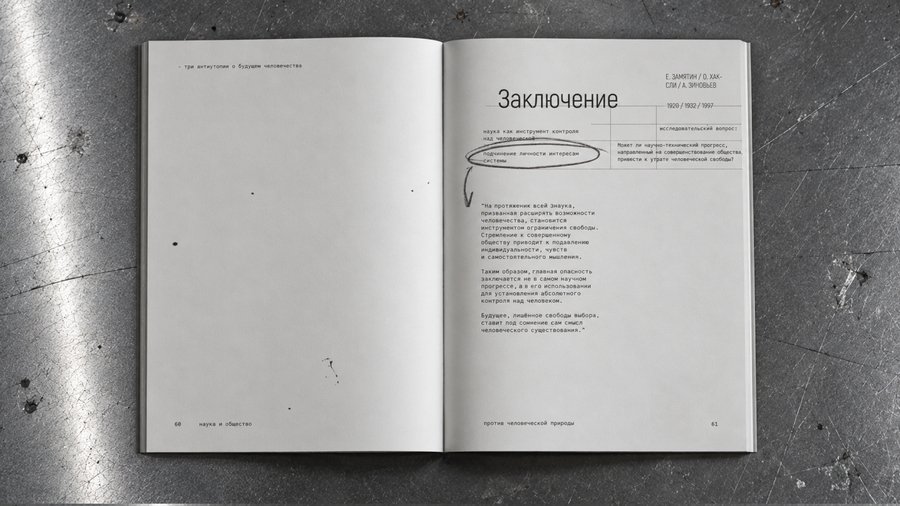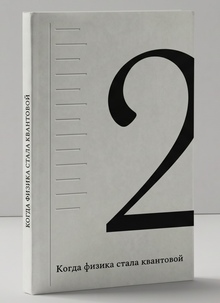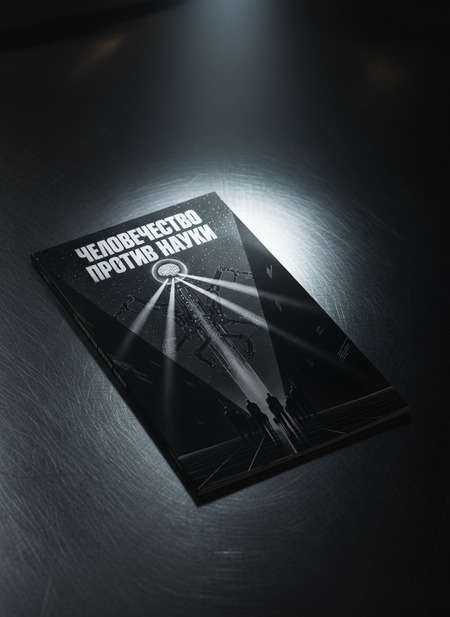
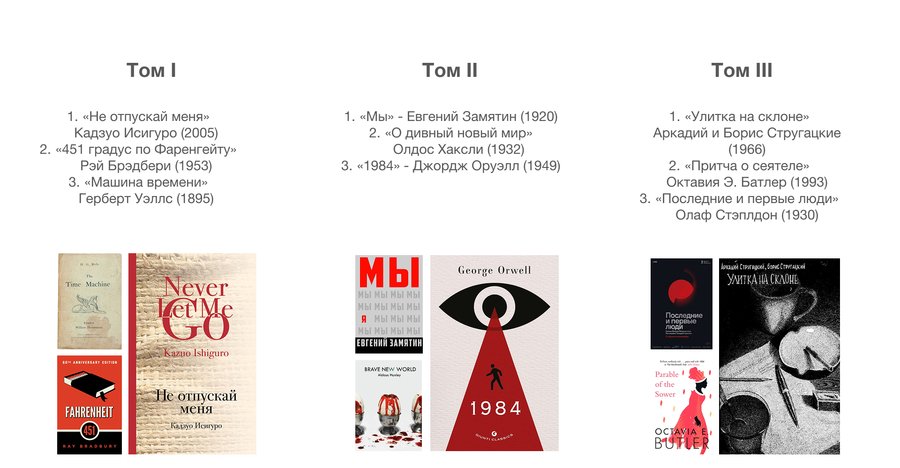
The book series, «Three Ways to Destroy Humanity While Trying to Save It,» consists of three volumes. Each volume examines a separate scenario for the demise of civilization through the lens of analyzing well-known dystopian works. Each volume explores a specific trajectory of societal development, illustrating how attempts to create a perfect world can lead to the loss of freedom, individuality, and human values. The collection unites philosophical analysis of dystopias with reflections on what choices humanity might make that could cause its own destruction.
The Problem
The core issue with books like these is that the analysis of dystopian works is often presented as dense academic prose—material that is difficult to digest and not always engaging to read. The lack of a clear division of material into distinct thematic chapters hinders the understanding of the central ideas and issues raised by the authors.
Solution
The solution was to create an analysis in the format of a personal journal, which allows us to move away from the traditional presentation of material as continuous text. This approach makes the research more dynamic and engaging to perceive, creating a sense of presence within the described world.
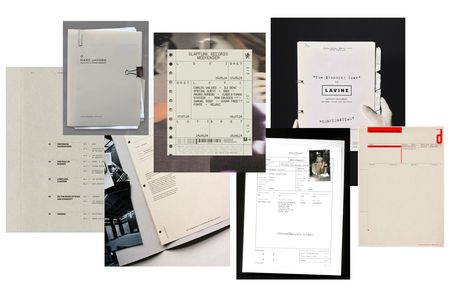
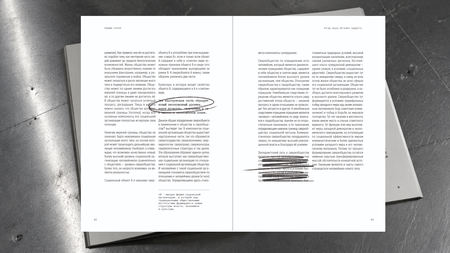
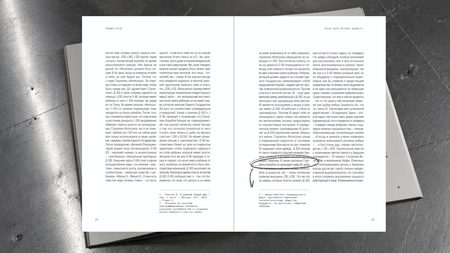
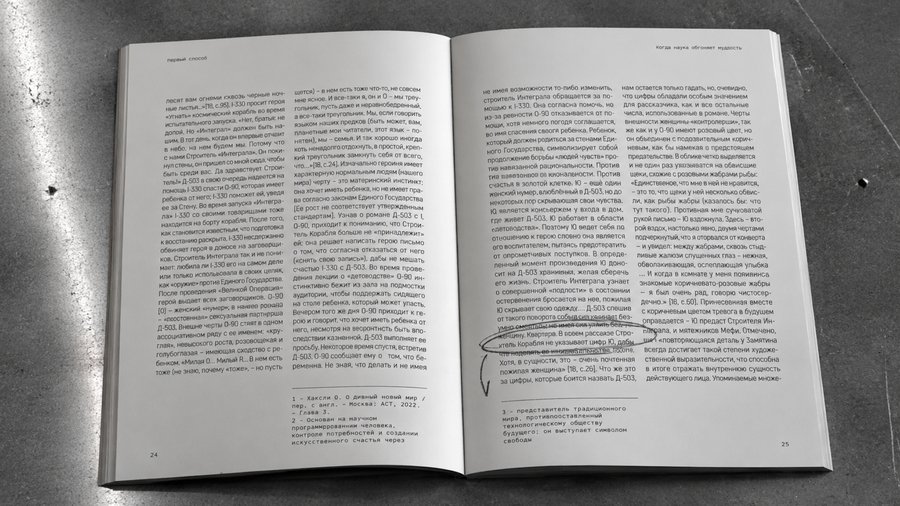
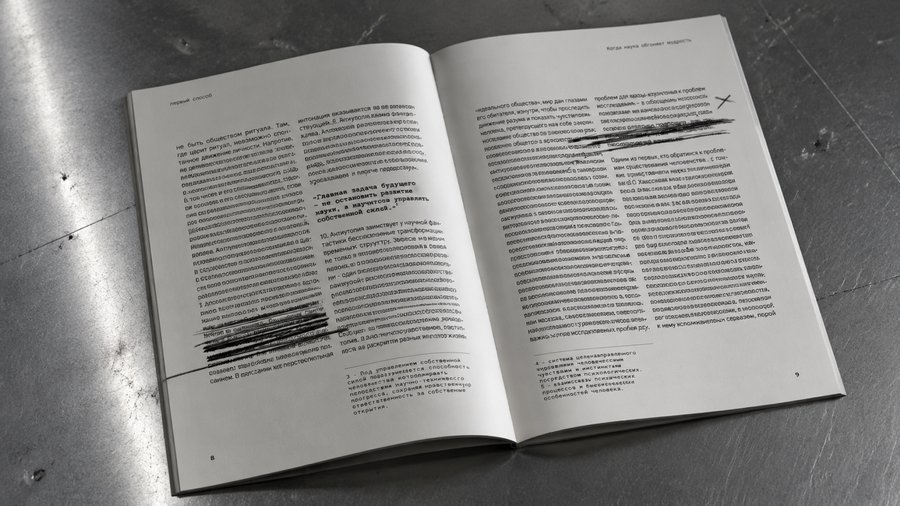
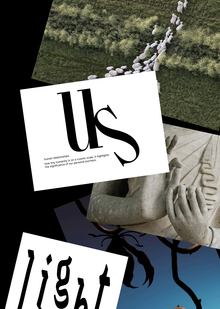
Since some works are narrated in the first person or in the form of a personal diary, some spreads will be formatted as entries from the protagonist. The pages will feature handwritten notes, highlights, inserts, quotes, and brief commentary, creating the feeling of a genuine personal archive. This approach helps to immerse the reader more deeply into the story and showcase the events of the dystopia through the subjective perspective of a person living within it.
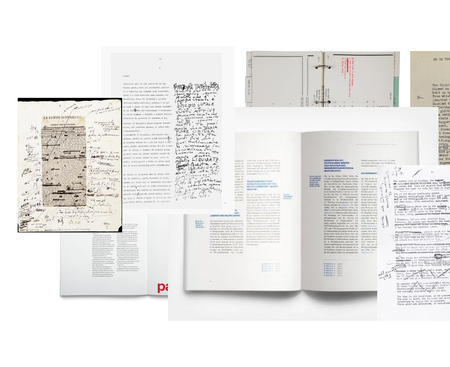
Since the narrative in some works is told from the first-person perspective or in the form of a personal diary, some spreads will be designed as entries from the character themselves. The pages will feature handwritten notes, highlights, inserts, quotations, and small comments, creating the feeling of a genuine personal archive. This approach helps immerse the reader more deeply into the story and portrays the events of the dystopia through the subjective viewpoint of someone living within it.